The Long Council
Who was selected, and why
How can we create long term peace in Libanon
The central tension
Security-first stabilization versus inclusive governance reconstruction, whether Lebanon must prioritize neutralizing immediate security threats (Hezbollah's armed capacity) before democratic renewal, or whether sustainable peace requires addressing underlying governance failures and external dependencies that enable armed non-state actors to flourish.
The two poles
Security-First
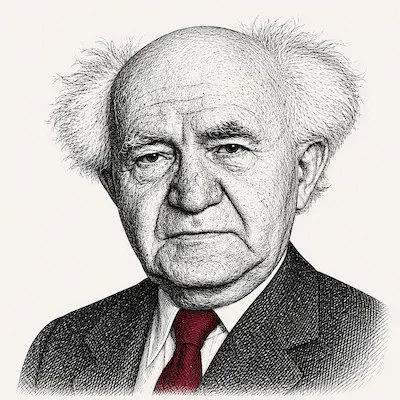 David Ben-Gurion
Governance-First
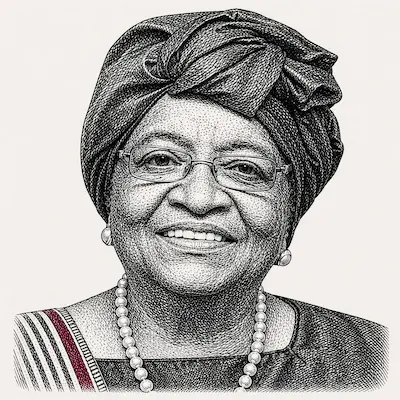 Ellen Johnson Sirleaf
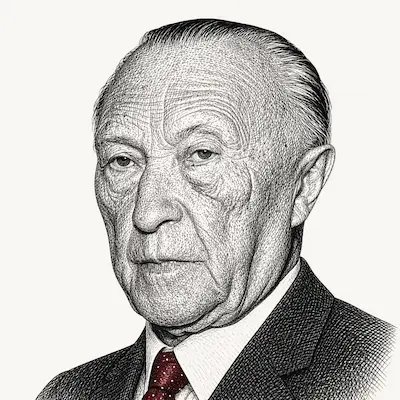 Konrad Adenauer
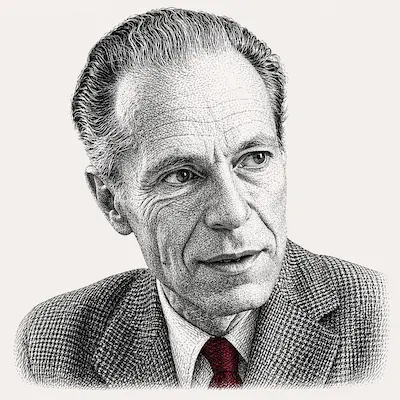 Albert Hirschman
Selected members
David Ben-Gurion
Will argue: Security is the precondition of everything else; no democratic institutions can function while armed militias control territory and threaten the state's existence
Documented experience rebuilding a state while simultaneously fighting for survival and managing hostile neighbors
Ellen Johnson Sirleaf
Will argue: Governance reconstruction must proceed simultaneously with security; external debt relief and institutional capacity-building are prerequisites for sustainable peace
Successfully reconstructed a failing state after civil war with multiple armed factions and external dependencies
Konrad Adenauer
Will argue: Lebanon's path requires deep integration with international partners who can provide both economic resources and security guarantees against regional threats
Rebuilt a state from complete institutional collapse while anchoring it to international structures for security and legitimacy
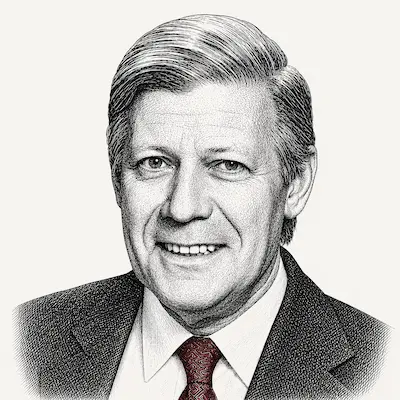
Helmut Schmidt
Will argue: Lebanon must reduce structural dependencies (especially energy) that make it vulnerable to external manipulation; sovereignty requires diversified partnerships, not alignment with any single power
Managed a small state's sovereignty under great power competition while maintaining energy security and economic stability
Albert Hirschman
Will argue: Gradual institutional reconstruction through selective improvements may be more viable than comprehensive transformation; making exit harder (through economic recovery) could increase voice and reduce Hezbollah's appeal
Developed framework for understanding when institutions decay and how to sequence reforms when comprehensive change faces entrenched resistance
Considered but not selected
Mandela: His reconciliation framework assumes mutual exhaustion and willingness to negotiate, which doesn't match current Hezbollah-Israel dynamics - Ali ibn Abi Talib: While relevant for governance in Muslim-majority contexts, Lebanon's confessional system creates different challenges than his unified authority framework addresses - Kautilya: His framework assumes a strong central authority that Lebanon currently lacks