The Long Council
Who was selected, and why
Does Iran's regime need to make a peace deal with the US, and if so, on what terms should it pursue one?
The central tension
Whether a sanctions-constrained regional power should seek accommodation with a global hegemon versus maintaining resistance at continued economic cost.
Selected members
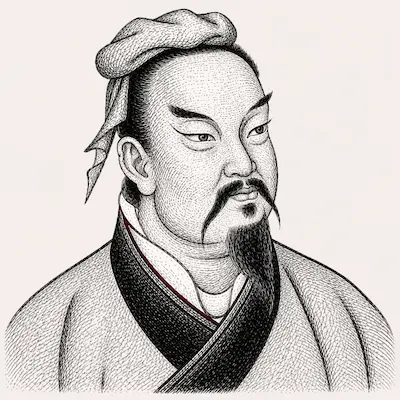
Sun Tzu
Will argue: Iran should negotiate from positions of strength, use intermediaries for intelligence gathering, and achieve strategic goals through positioning rather than direct confrontation.
His framework for strategic positioning between stronger and weaker adversaries directly applies to Iran-US rivalry.
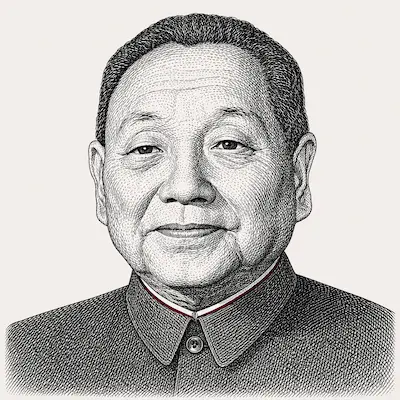
Deng Xiaoping
Will argue: Iran should prioritize economic development over revolutionary ideology and accept tactical compromises for strategic gains.
His "hide strength, bide time" doctrine and experience managing relations with both superpowers during the Cold War provides a template for smaller power strategic patience.
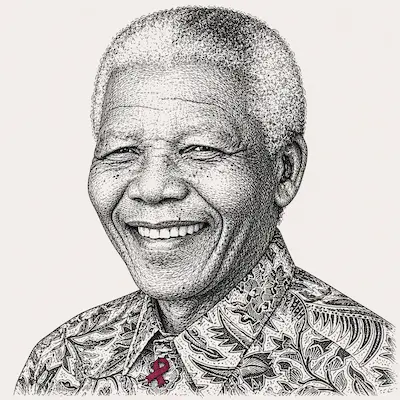
Nelson Mandela
Will argue: Iran can negotiate without compromising fundamental sovereignty while building confidence through reciprocal gestures.
His experience negotiating from imprisonment with an adversary that held overwhelming power advantage offers insights on principled negotiation under asymmetric conditions.
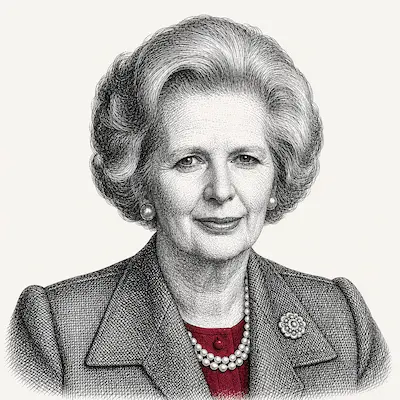
Margaret Thatcher
Will argue: Regimes that negotiate from weakness invite further pressure; Iran should maintain resistance until the US accepts its regional role.
Her experience of principled confrontation with adversaries and her documented positions on sovereignty and non-negotiable principles provide the hardline counterargument.
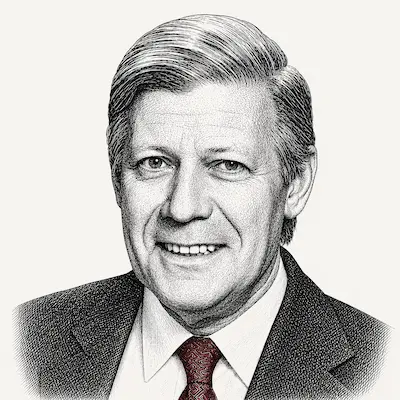
Helmut Schmidt
Will argue: Iran should pursue gradual confidence-building measures while maintaining deterrent capabilities and building alternative partnerships.
His experience managing German sovereignty within constrained geopolitical circumstances and his framework for pragmatic coalition-building under pressure.
Considered but not selected
Mahathir Mohamad: His anti-Western rhetoric and capital controls experience is relevant but less strategic than the selected members for this specific negotiation question. - Lee Kuan Yew: His small state survival strategies are less applicable to a medium regional power with ideological commitments. - Niccolò Machiavelli: His strategic framework overlaps with Sun Tzu but lacks the documented practitioner experience of managing great power relations.