The Long Council
Who was selected, and why
Does Iran’s regime need to make a peace deal with the US?
The central tension
Strategic accommodation versus principled resistance, whether Iran should negotiate from its current position of strength/weakness or maintain its revolutionary stance against US hegemony.
Selected members
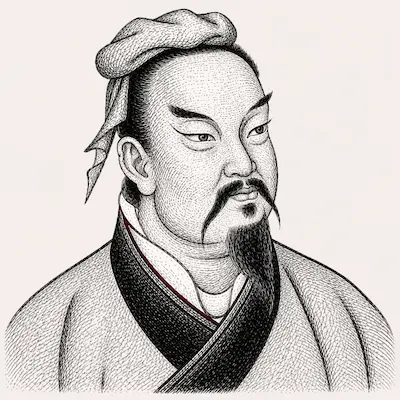
Sun Tzu
Will argue: That Iran should assess its true strategic position relative to US capabilities and pursue objectives through positioning rather than direct confrontation.
His framework on strategic positioning, knowing oneself and one's adversary, and achieving objectives without direct confrontation is directly applicable to Iran-US strategic competition.
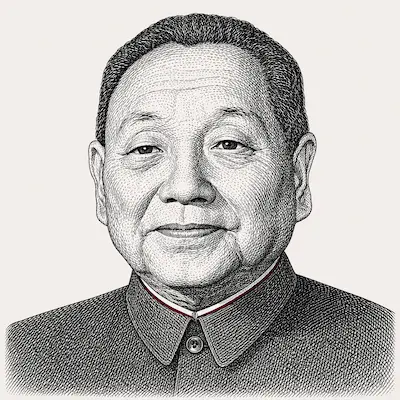
Deng Xiaoping
Will argue: That strategic accommodation can serve regime survival while preserving long-term objectives, but timing and sequencing matter critically.
His "hide your strength, bide your time" doctrine and experience managing relations with a dominant superpower while maintaining regime integrity offers a direct parallel.
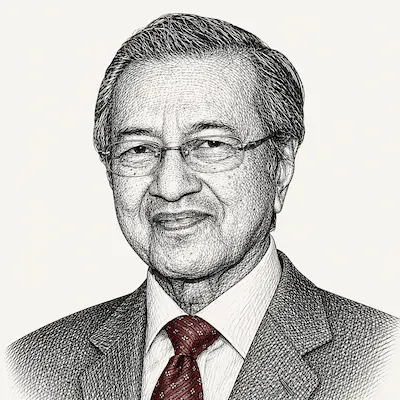
Mahathir Mohamad
Will argue: That small/medium powers can successfully resist superpower pressure when they have domestic legitimacy and strategic alternatives.
His experience as a developing country leader confronting Western economic pressure while maintaining sovereignty provides relevant precedent for principled resistance.
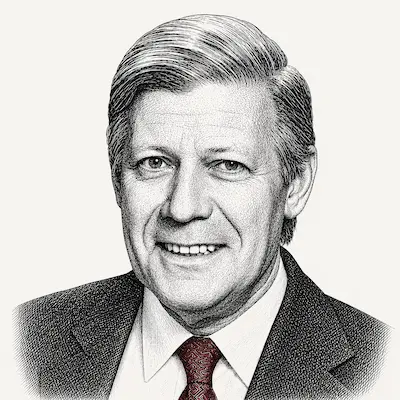
Helmut Schmidt
Will argue: That even committed adversaries must maintain channels for dialogue and that escalation serves no party's long-term interests.
His management of Cold War tensions while maintaining both alliance commitments and dialogue with adversaries offers insight into balancing competing pressures.
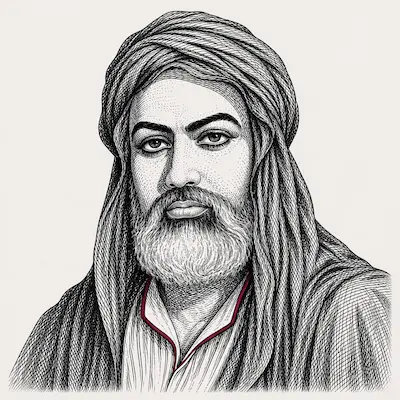
Ali ibn Abi Talib
Will argue: That a ruler must assess whether accommodation serves the welfare of the governed or merely postpones inevitable conflict.
His experience governing under external pressure while maintaining principled positions, and his framework on justice versus stability in crisis conditions.
Considered but not selected
Kissinger: No member profile available but would be highly relevant for realpolitik perspective - Mandela, Post-conflict negotiation experience not directly applicable to ongoing adversarial relationship - Lee Kuan Yew, Small state strategy framework but Singapore's non-confrontational approach differs from Iran's revolutionary stance