The Long Council
Who was selected, and why
Should the EU tighten its partnership with China in light of the deteriorating relations?
The central tension
Strategic autonomy versus alliance solidarity, whether Europe can maintain economic partnership with China while preserving transatlantic security relationships and avoiding dangerous dependencies.
Selected members
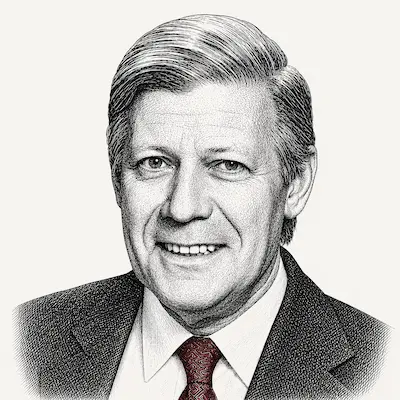
Helmut Schmidt
Will argue: Europe must preserve strategic flexibility and avoid binary choices imposed by great powers; economic interdependence can be a stability instrument if managed reciprocally
Architect of European strategic autonomy who navigated between US and Soviet pressures during the Cold War
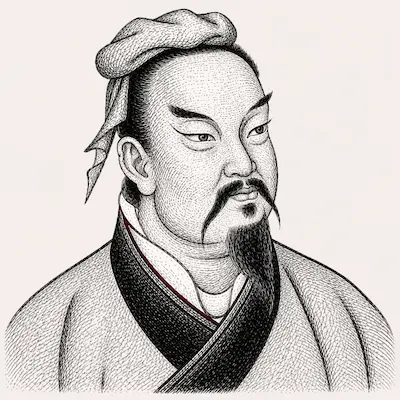
Sun Tzu
Will argue: The EU should maintain economic engagement while strengthening defensive capabilities; strategic deception and multiple options prevent being cornered into unfavorable binary choices
Strategic framework for managing adversarial relationships and avoiding direct confrontation
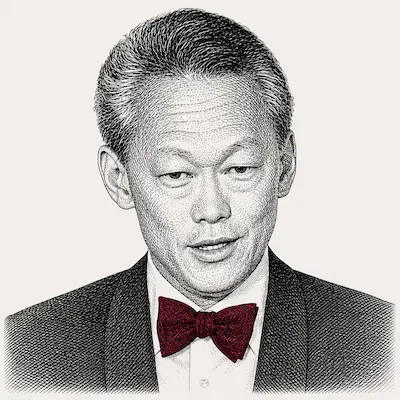
Lee Kuan Yew
Will argue: The EU should make itself useful to both powers while building independent capabilities; choosing sides early reduces leverage and strategic options
Practitioner experience of small state strategy navigating US-China competition without choosing sides
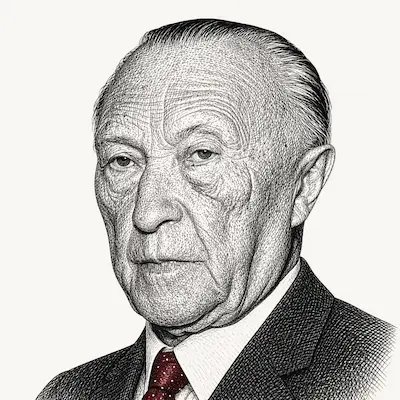
Konrad Adenauer
Will argue: European unity and institutional deepening are prerequisites for effective China strategy; fragmented European approaches will be defeated by Chinese divide-and-rule tactics
Architect of European integration as a response to great power pressure and model for institutional sovereignty through pooled authority
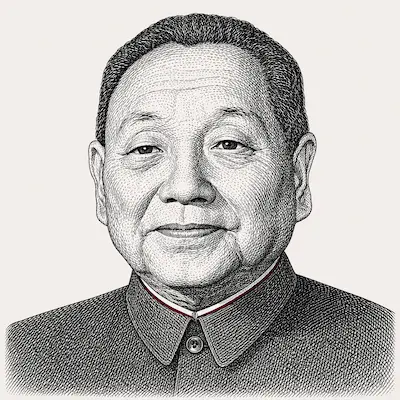
Deng Xiaoping
Will argue: China's primary focus remains domestic development; partnership opportunities exist if Europe avoids treating China as an ideological threat and focuses on mutual economic benefit
Architect of China's economic opening and strategic patience doctrine; essential for understanding Chinese strategic thinking and motivations
Considered but not selected
Mahathir Mohamad: Relevant experience with resisting Western pressure, but his confrontational approach less applicable to EU's institutional constraints - Franklin D. Roosevelt: Institutional architect but his framework assumes US leadership role rather than middle power strategy - Margaret Thatcher: Strong views on sovereignty but her framework prioritizes bilateral US relationship over European autonomy