The Long Council
Who was selected, and why
Should European countries develop independent defence capabilities as a backup to US security guarantees?
The central tension
The core analytical conflict is between alliance dependence (leveraging US capabilities while accepting strategic subordination) versus strategic autonomy (building independent capabilities at significant cost and potential alliance friction).
Selected members
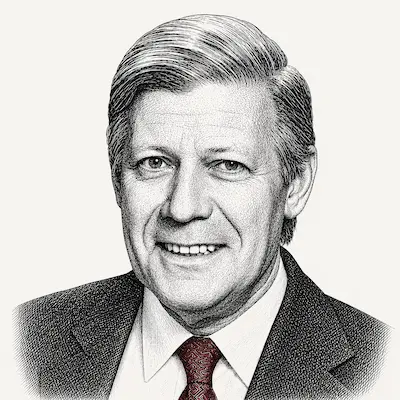
Helmut Schmidt
Will argue: Europeans must maintain alliance credibility while building coordination mechanisms to avoid becoming passive dependents on unpredictable US domestic politics.
As West German Chancellor who managed NATO's dual-track decision and navigated US-European tensions during the Cold War, he has direct experience balancing alliance loyalty with European sovereignty concerns.
Charles de Gaulle
Will argue: European strategic autonomy is essential because no nation can permanently delegate its survival to another, regardless of alliance commitments.
The architect of French strategic autonomy who withdrew from NATO's integrated command while remaining in the alliance, developing independent nuclear capabilities precisely to avoid dependence on US security guarantees.
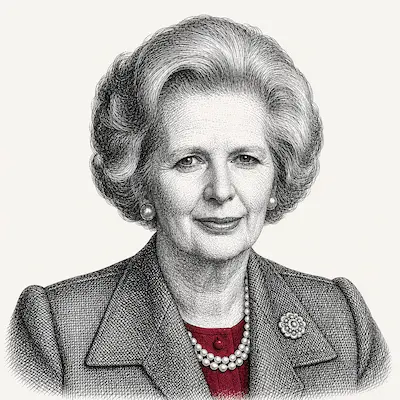
Margaret Thatcher
Will argue: Independent capabilities are necessary but must complement, not compete with, the Atlantic alliance structure that guarantees European security.
Managed the tension between Atlanticism and European integration, defended British nuclear independence while championing the US-UK special relationship during renewed Cold War tensions.
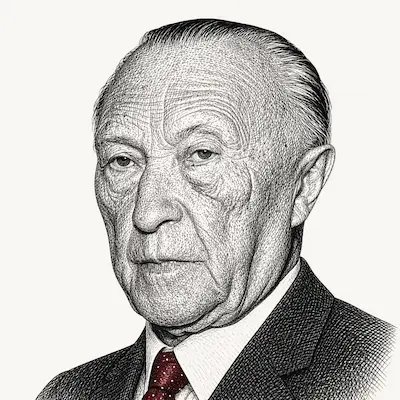
Konrad Adenauer
Will argue: European defense capabilities must be built through institutional integration that strengthens rather than weakens transatlantic ties.
Founded West German security policy on the principle of Western integration while navigating the constraints of limited sovereignty, establishing the framework for European defense cooperation within NATO.
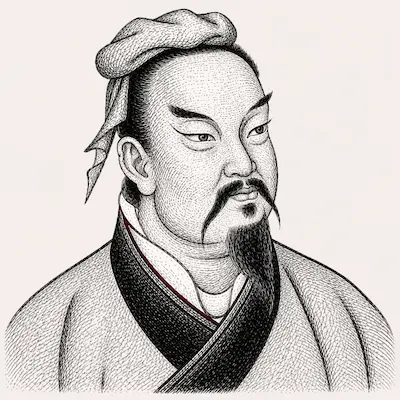
Sun Tzu
Will argue: Dependence on any single protector, however powerful, creates strategic vulnerability; wise states maintain multiple options while avoiding provocative signals to adversaries.
Provides the strategic framework for analyzing alliance dependencies, the management of great power relationships, and the principles of maintaining strategic flexibility without provoking adversaries.
Considered but not selected
Churchill: His wartime alliance management is less relevant to peacetime European defense coordination questions - LKY, His small state strategy assumes US regional dominance rather than addressing what happens when that dominance becomes uncertain - FDR, His alliance building was wartime-specific; post-war institutional arrangements were incomplete at his death