The Long Council
Who was selected, and why
How can the EU avoid a full-blown trade war with America and China?
The central tension
The fundamental conflict between asserting strategic autonomy in an increasingly multipolar world versus avoiding the economic and political costs of simultaneous confrontation with both global superpowers.
Selected members
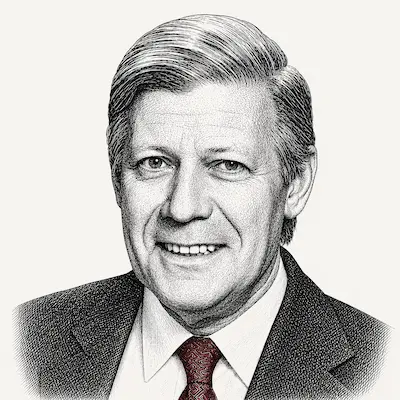
Helmut Schmidt
Will argue: The EU must build coalition partnerships while preserving optionality, never create irreversible dependencies on either superpower, prioritise European institutional deepening over trade volume maximisation.
Architect of European economic sovereignty through EMS creation against US pressure and managed the energy dependency challenges that prefigured today's strategic vulnerabilities.
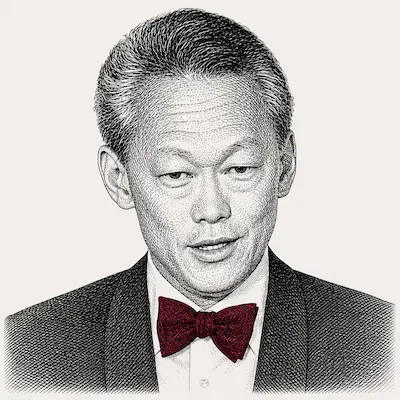
Lee Kuan Yew
Will argue: The EU must make itself indispensable to both America and China through technological capabilities and market access they cannot easily replace, while building hedging partnerships with other powers.
Master practitioner of small state survival between superpowers, with documented success navigating US-China competition while maintaining relationships with both.
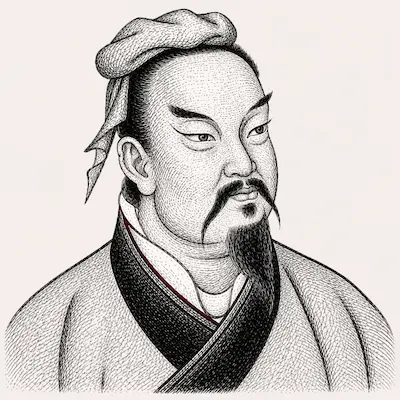
Sun Tzu
Will argue: Supreme excellence is avoiding trade war entirely through strategic positioning, appear committed to both relationships while building independent capacity, use intelligence and economic positioning rather than direct confrontation.
The strategic framework for managing adversarial relationships through positioning, intelligence, and avoiding direct confrontation when possible.
Henry Kissinger
Will argue: The EU should pursue strategic ambiguity and triangular engagement, prevent US-China coordination against European interests while maintaining selective partnerships with both, exploit their mutual competition.
Documented architect of triangular diplomacy, successfully managed great power competition by maintaining relationships with rivals while preventing their coordination against US interests.
Considered but not selected
Konrad Adenauer: His framework was specifically about anchoring West Germany to the West, which doesn't address managing relationships with competing blocs - Deng Xiaoping: While relevant for understanding Chinese strategic thinking, his framework is about Chinese development rather than middle power navigation - Margaret Thatcher: Her framework was about choosing sides clearly (Atlantic alliance), not about maintaining strategic balance between competitors