The Long Council
Who was selected, and why
Should the EU subsidize manufacturing industries to regain independence of China?
The central tension
The core analytical conflict is between economic efficiency (comparative advantage suggests leveraging Chinese manufacturing capabilities) versus strategic autonomy (reducing dependency vulnerabilities in critical supply chains).
Selected members
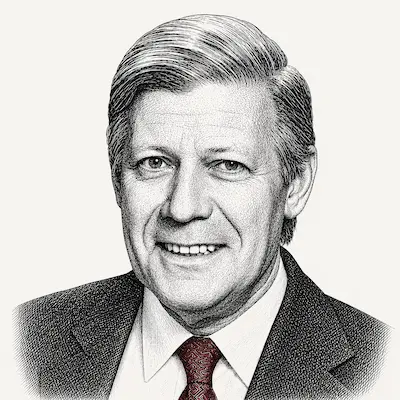
Helmut Schmidt
Will argue: That strategic industrial capacity is a sovereignty imperative; subsidies are justified when they build exit options from dangerous dependencies.
Schmidt's framework on energy security as sovereignty and small/medium state strategy under great power competition directly applies to EU-China economic relations.
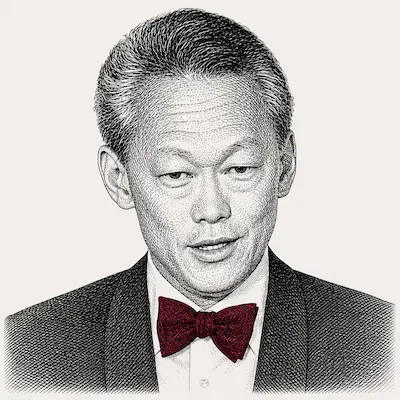
Lee Kuan Yew
Will argue: That interdependence managed skillfully is stronger than autarky; the EU should deepen engagement while diversifying rather than subsidizing inefficient domestic production.
LKY's industrial development strategy and small state survival framework through making oneself indispensable offers a counterpoint to dependency reduction.
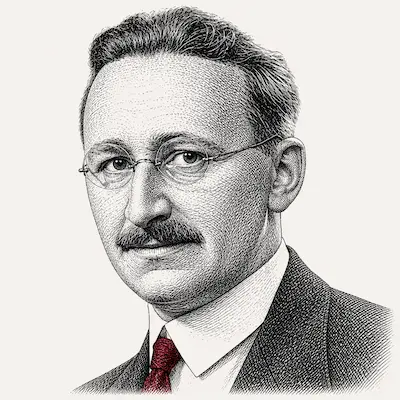
Friedrich Hayek
Will argue: That subsidies destroy the market's information function and produce inefficient allocation; security concerns don't justify abandoning comparative advantage.
Hayek's framework on market efficiency, spontaneous order, and the knowledge problem challenges industrial policy and subsidization directly.
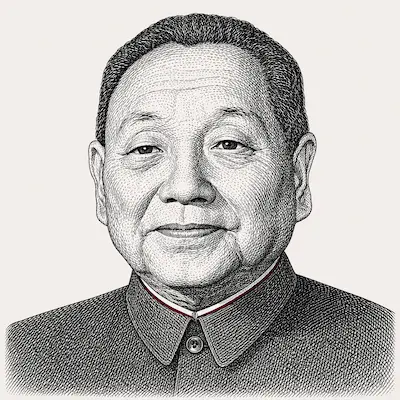
Deng Xiaoping
Will argue: That strategic industrial development requires state direction and protection; the EU's current dependency resulted from failing to protect strategic industries.
Deng's state-directed industrialization model and strategic use of foreign investment provides the Chinese perspective on industrial development.
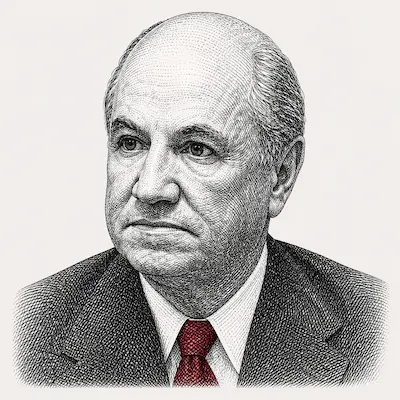
Raúl Prebisch
Will argue: That Europe faces "peripheralization" by Chinese manufacturing dominance; strategic subsidies are necessary to break out of commodity-exporter status in high-tech sectors.
Prebisch's framework on center-periphery relations and the case for industrial protection against established manufacturing powers directly addresses this dynamic.
Considered but not selected
Margaret Thatcher: Excluded because her anti-subsidy framework is covered more comprehensively by Hayek, and she lacks documented engagement with strategic industrial competition - John Maynard Keynes: Excluded because this is primarily about long-term industrial structure rather than cyclical economic management - Mahathir Mohamad: Excluded because while his industrial policy experience is relevant, LKY and Deng provide more directly applicable frameworks for EU-scale economies