The Long Council
Who was selected, and why
How can Europe significantly reduce depency on the US?
The central tension
Whether Europe can build genuine strategic autonomy without fragmenting the transatlantic alliance that has guaranteed its security and prosperity for 75 years.
Selected members
Charles de Gaulle
Will argue: Europe must build independent military capabilities, reject dollar hegemony through alternative monetary arrangements, and assert technological sovereignty while remaining Western-aligned
Architect of French strategic independence and European sovereignty within the Western alliance framework
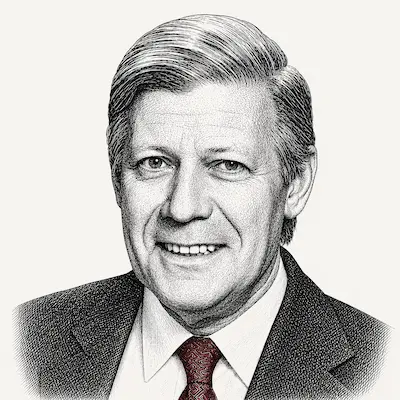
Helmut Schmidt
Will argue: Energy independence and monetary sovereignty are preconditions of political autonomy; Europe must diversify dependencies rather than eliminate them
Created European Monetary System and pioneered European energy diversification strategy under great power pressure
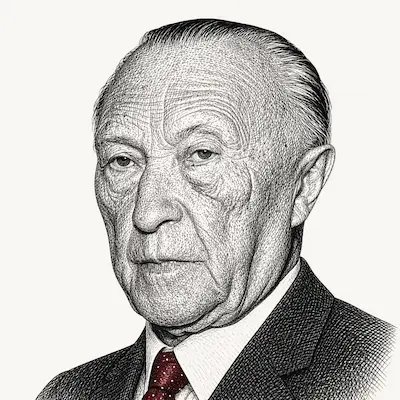
Konrad Adenauer
Will argue: European integration deepens before it widens; Franco-German partnership is the institutional core from which broader European autonomy emerges
Master of building sovereignty through institutional integration while maintaining essential alliance relationships
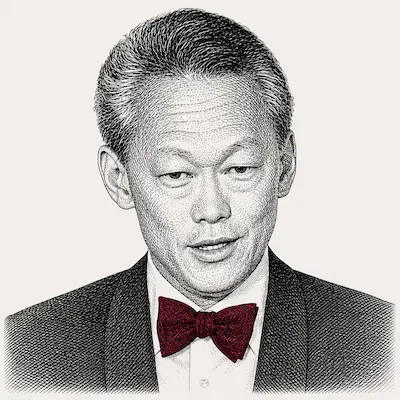
Lee Kuan Yew
Will argue: Europe must make itself indispensable to both US and China while building independent technological and financial capabilities
Architect of small state strategy for maintaining autonomy between competing great powers
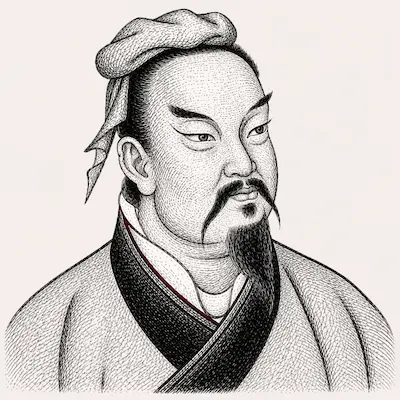
Sun Tzu
Will argue: Reduce dependency gradually while appearing to strengthen partnership; build alternative capabilities quietly before declaring independence
Strategic framework for achieving objectives through positioning rather than direct confrontation
Considered but not selected
Margaret Thatcher: Excluded because her documented Atlanticist position would oppose European strategic autonomy as weakening the Western alliance - Franklin D. Roosevelt: Excluded because his framework prioritizes alliance leadership over alliance independence - Deng Xiaoping: Considered for gradual reform strategy but excluded as his framework is specific to authoritarian development context