The Long Council
Who was selected, and why
Who would win from European degrowth—the planet, China, or nobody?
The central tension
Environmental necessity versus strategic competition, whether Europe can afford to reduce its economic output for climate reasons while China continues growing, or whether such unilateral restraint undermines both European interests and global environmental goals.
The two poles
Environmental Imperative
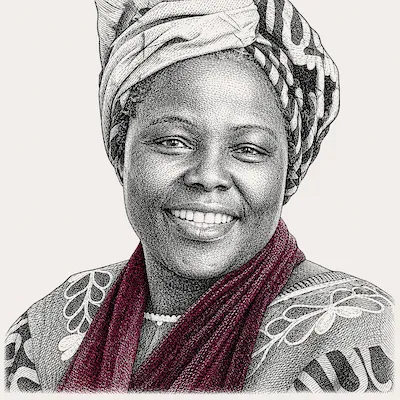 Wangari Maathai
Strategic Competition
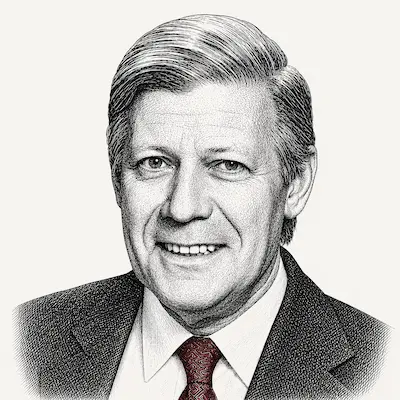 Helmut Schmidt
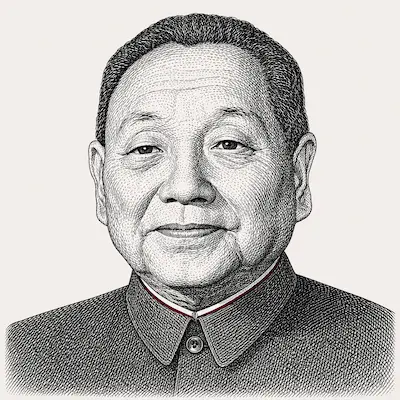 Deng Xiaoping
LKY
Selected members
Wangari Maathai
Will argue: European degrowth could benefit the planet if accompanied by technology transfer and reformed aid architecture, but only if it addresses structural consumption rather than merely reducing GDP
The only council member with a documented framework integrating environmental governance, democratic accountability, and global power relations
Helmut Schmidt
Will argue: Unilateral European degrowth would strengthen China's relative position without delivering proportional climate benefits, undermining European capacity to influence global environmental policy
Governed Europe's largest economy during oil crises; documented strategist on energy dependency and European sovereignty
Deng Xiaoping
Will argue: China would continue development regardless of European choices; European degrowth would create economic opportunities for China while potentially slowing global green technology development
Architect of China's development model; documented positions on international economic competition and development rights
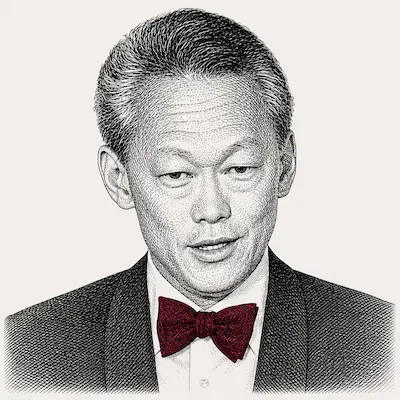
Lee Kuan Yew
Will argue: Voluntary economic weakening by Europe would reduce its capacity to shape Chinese behavior on climate, making degrowth strategically counterproductive even for environmental goals
Strategic thinker on small-state positioning in great power competition; documented analysis of economic development and international influence
Considered but not selected
Hayek: His framework addresses market mechanisms but not environmental externalities or international strategic competition specifically - Keynes, Economic management expertise but thin record on environmental questions or long-term strategic competition - Prebisch, Development economics focus not directly applicable to advanced economy degrowth questions