The Long Council
Who was selected, and why
Should the EU assist Trump's military to free the Strait of Hormuz?
The central tension
National sovereignty and international law versus alliance obligations and energy security.
Selected members
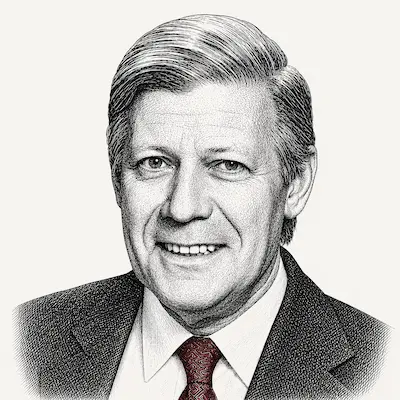
Helmut Schmidt
Will argue: Energy security justifies alliance cooperation, but Europe must maintain independent decision-making capacity and avoid subordination to US strategic priorities
European energy security and alliance management with the US under crisis conditions
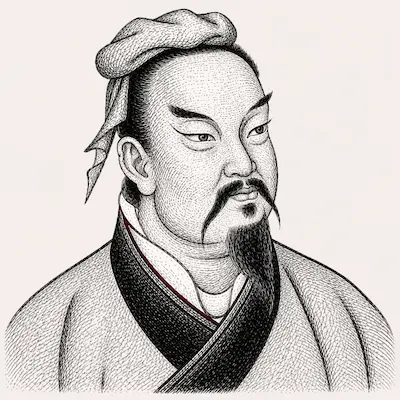
Sun Tzu
Will argue: Military intervention in Hormuz risks escalation beyond any achievable objective; securing energy flows requires diplomatic and economic positioning, not force projection
Strategic assessment of military intervention in a critical maritime chokepoint
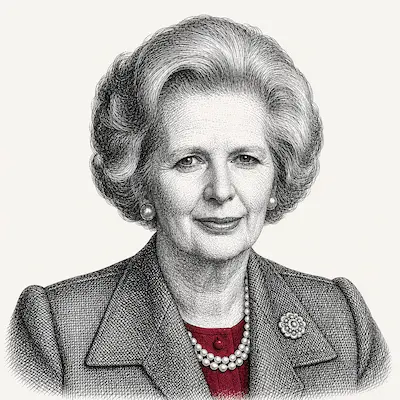
Margaret Thatcher
Will argue: International maritime law and alliance obligations require supporting US operations to maintain principle of free navigation against Iranian threats
Alliance solidarity, sovereignty of navigation rights, and response to threats to international commerce
Charles de Gaulle
Will argue: Europe should not subordinate its Middle East interests to American military strategy; diplomatic solutions through European-Iranian dialogue preferable to military escalation
European strategic autonomy versus Atlantic alliance dependence in Middle East interventions
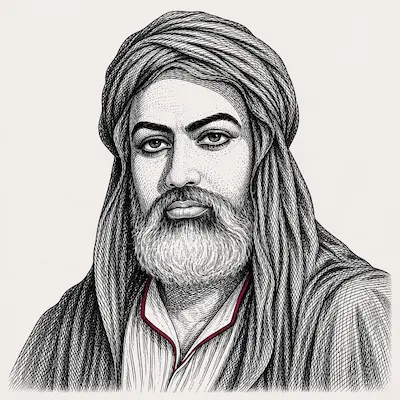
Ibn Khaldun
Will argue: Military pressure on Iran may consolidate rather than weaken the regime; economic and diplomatic approaches more likely to achieve sustainable arrangements
Analysis of intervention in regions under existing power structures and the dynamics of external pressure on established regimes
Considered but not selected
Eleanor Roosevelt: Relevant for international law frameworks but insufficient military/alliance strategy record for this specific decision - Adenauer: Strong on Atlantic alliance but died before significant Middle East energy crises; less relevant than Schmidt's documented crisis experience - Mandela: Negotiation framework relevant but no documented positions on maritime security or energy geopolitics