The Long Council
Who was selected, and why
Should the US pull its military troops out of Europe?
The central tension
Whether US military presence in Europe remains strategically necessary for deterring threats and maintaining alliance credibility versus whether it represents an outdated commitment that constrains US strategic flexibility and subsidizes European defense responsibilities.
Selected members
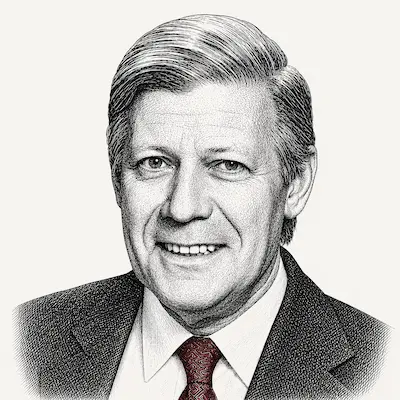
Helmut Schmidt
Will argue: European security requires sustained US commitment but Europe must bear greater responsibility; withdrawal would destabilize the alliance when threats are resurging
Architect of NATO's dual-track decision and experienced manager of transatlantic alliance under pressure
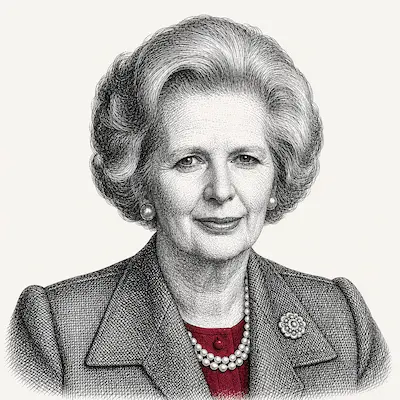
Margaret Thatcher
Will argue: US withdrawal would fatally weaken the Western alliance and invite aggression; European defense capabilities cannot substitute for US deterrence
Governed through peak Cold War tensions and understood the relationship between US commitment and European stability
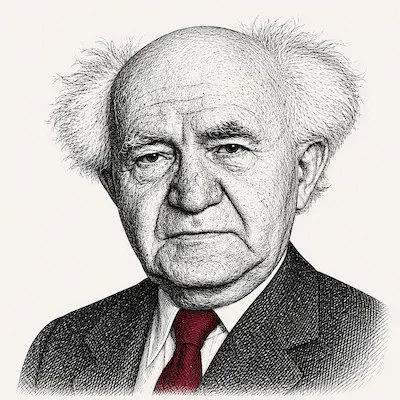
David Ben-Gurion
Will argue: Allies must prepare for the possibility of US withdrawal while working to maintain the commitment; over-dependence on any single protector is strategically dangerous
Expert on small-state security strategy and the management of great power protector relationships
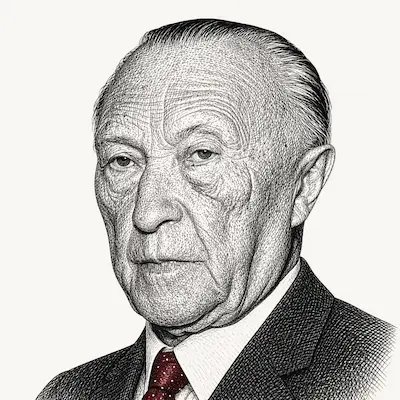
Konrad Adenauer
Will argue: US withdrawal would force Germany toward either dangerous neutrality or accommodation with Russia; transatlantic anchor is essential for European stability
Founded the transatlantic security architecture and understood European integration within Atlantic framework
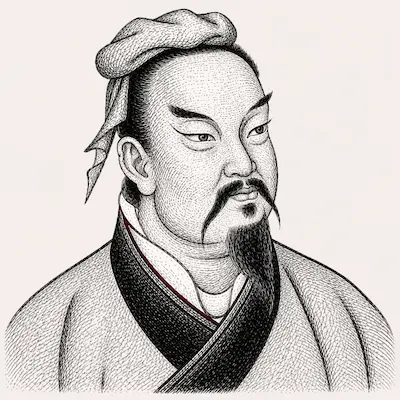
Sun Tzu
Will argue: Forward military presence is only valuable if it enhances rather than constrains strategic flexibility; the costs of commitment must be weighed against strategic alternatives
Strategic positioning, alliance geometry, and the relationship between forward presence and deterrent credibility
Considered but not selected
Franklin D. Roosevelt: His Bretton Woods and alliance-building experience is relevant but pre-NATO; insufficient coverage of post-war alliance management - Lee Kuan Yew: Small state strategy expert but his framework assumes US presence as given rather than analyzing its withdrawal - Niccolò Machiavelli: Alliance theory relevant but lacks documented framework for modern alliance architecture and nuclear deterrence