The Long Council
Who was selected, and why
Should the US extend its response to Iran's blockade of the Hormuz Strait?
The central tension
Whether escalation risks (regional war, global economic disruption) outweigh the strategic necessity of maintaining freedom of navigation in the world's most critical oil chokepoint.
Selected members
Henry Kissinger
Will argue: For measured escalation with clear diplomatic off-ramps, demonstrate resolve while creating space for Iranian face-saving withdrawal.
Documented expertise in managing US-Middle East crises, great power competition with regional proxies, and escalation management under nuclear constraints.
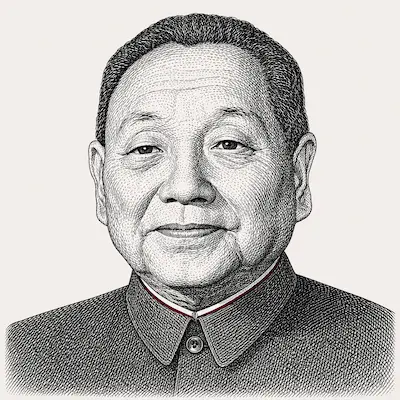
Deng Xiaoping
Will argue: Iran's blockade is rational response to US pressure; de-escalation requires addressing underlying sanctions architecture, not just tactical military response.
His "hide your strength, bide your time" doctrine and experience managing asymmetric confrontations with larger powers provides the Iranian strategic perspective.
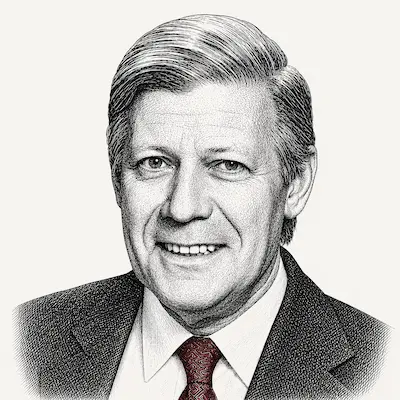
Helmut Schmidt
Will argue: Coordinated allied response essential; unilateral US escalation risks splitting Western alliance while failing to address European energy vulnerability.
His experience with oil shocks, alliance management under energy crisis, and European perspective on Middle East energy security.
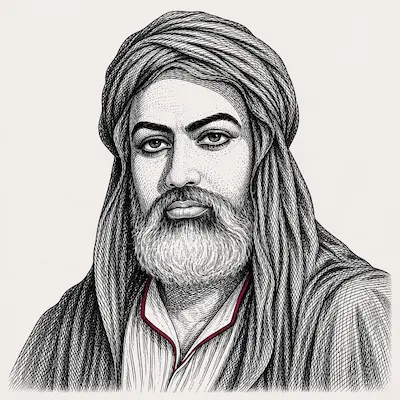
Ibn Khaldun
Will argue: US pressure may be strengthening Iranian regime cohesion rather than weakening it; blockade is symptom of regime consolidation, not desperation.
His asabiyya framework and analysis of how external pressure affects internal regime cohesion applies directly to Iranian domestic calculations.
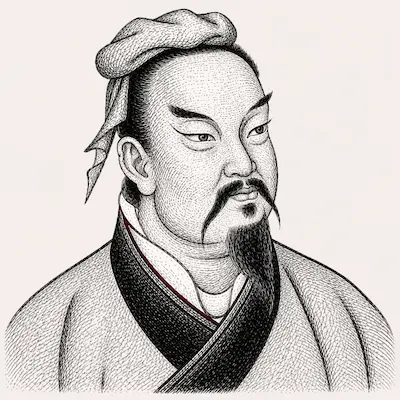
Sun Tzu
Will argue: Current US approach plays to Iranian strengths (asymmetric warfare, regional proxies); winning requires changing the strategic context, not escalating within it.
His framework on intelligence, deception, and achieving objectives without direct confrontation is directly applicable to managing this strategic competition.
Considered but not selected
Margaret Thatcher: Excluded because her Falklands experience, while relevant to resolve under pressure, lacks the regional complexity and energy security dimensions central to Hormuz. - Lee Kuan Yew: Excluded despite small-state strategic insights because his US-aligned framework doesn't capture the Iranian strategic perspective needed for this deliberation. - Franklin Roosevelt: Excluded because his crisis management framework assumes democratic constraints that don't apply to current executive decision-making on military action.