The Long Council
Who was selected, and why
Should the EU sanction Israel for its attacks on Gaza and Libanon?
The central tension
The conflict between maintaining strategic alliances and upholding humanitarian principles in response to military actions that violate international law.
Selected members
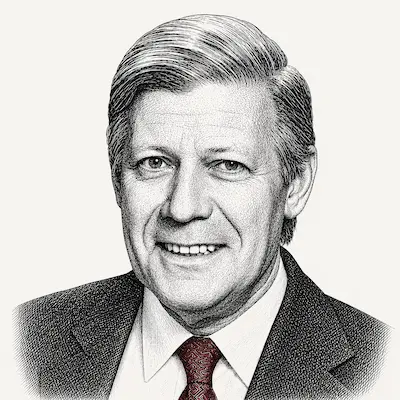
Helmut Schmidt
Will argue: That Europe must maintain independent judgment while considering alliance costs and energy dependencies.
His experience managing European sovereignty within alliance structures and balancing moral positions with strategic interests provides essential perspective on EU decision-making under US pressure.
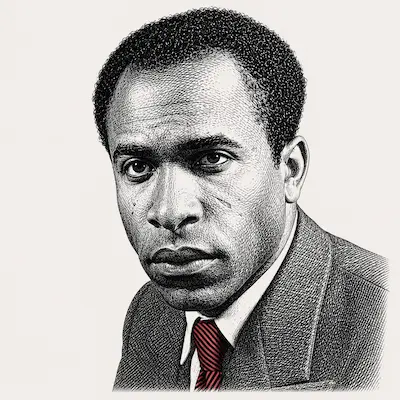
Frantz Fanon
Will argue: That European silence enables colonial violence and that humanitarian intervention requires disrupting complicit economic relationships.
His framework on colonial violence, legitimacy, and the international order's structural bias provides the analytical foundation for understanding this as more than a bilateral conflict.
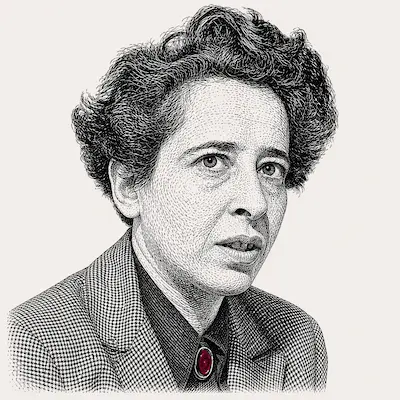
Hannah Arendt
Will argue: That systematic displacement creates rightlessness that demands international intervention regardless of alliance considerations.
Her concepts of statelessness, the "right to have rights," and the conditions that enable systematic violence are directly applicable to the Gaza situation.
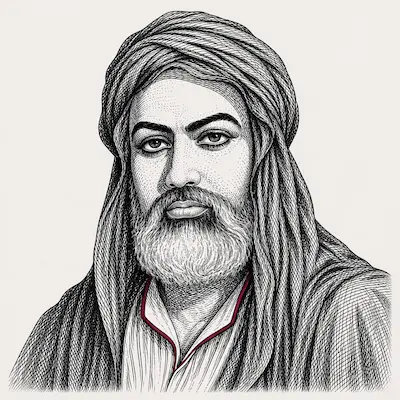
Ali ibn Abi Talib
Will argue: That preventing systematic injustice is a governance obligation that transcends alliance politics.
His governance principles on justice, the treatment of subjects regardless of religion, and the ruler's obligation to prevent injustice provide an Islamic governance perspective.
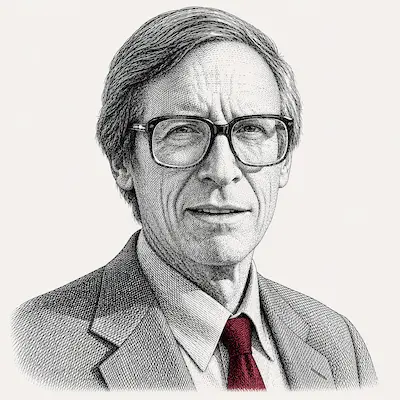
John Rawls
Will argue: That systematic violations of basic human rights create obligations for international action within legitimate institutional frameworks.
His framework for just international relations and the conditions under which intervention is legitimate provides philosophical grounding for evaluating sanctions.
Considered but not selected
Franklin D. Roosevelt: His documented response to genocide was inadequate (failure to bomb Auschwitz rail lines), making him unsuitable as primary voice on humanitarian intervention - Margaret Thatcher, Her framework prioritizes sovereignty and alliance maintenance over humanitarian intervention, overlapping too closely with Schmidt - Sun Tzu, His adversarial strategic framework is inappropriate for this fundamentally humanitarian question