Built from documented writings, speeches, decisions and historical records. Council members argue from those positions, applied to today's question.
Men learn empathy when institutions force them to see consequences of their decisions on others' lives.
Roosevelt anchors in the 1946 UN Commission: fifty-six delegations learned empathy when required to defend positions before those affected. Confucius adds that institutions must cultivate practice, not just compliance, through repeated engagement with human costs. Sen shows democratic deliberation works through information: free press and elections force governments to respond to suffering they would otherwise ignore.
Maathai reveals the deeper mechanism: shared work breaks down barriers when men face common problems alongside women.
- 1Require men in leadership positions to defend their decisions before those directly affected by the consequences.
- 2Create shared work environments where men and women face common problems together as equals.
- 3Establish democratic institutions with free press that expose decision-makers to evidence of policy impacts on affected groups.
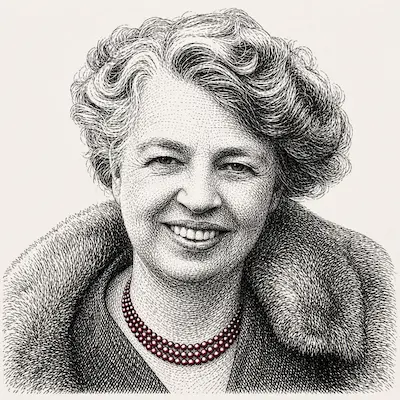
Men learn empathy when institutions require them to see consequences.
Empathy is not sentiment but recognition, the capacity to understand how decisions affect others. In 1946 I chaired the UN Commission that drafted the Universal Declaration of Human Rights. The fifty-six delegations included men who had never considered women's legal status or racial minorities' civil rights. But the process required each delegation to defend their positions before others who would live with the consequences. Men who entered as representatives of narrow interests left understanding broader human claims. The institution forced the learning.
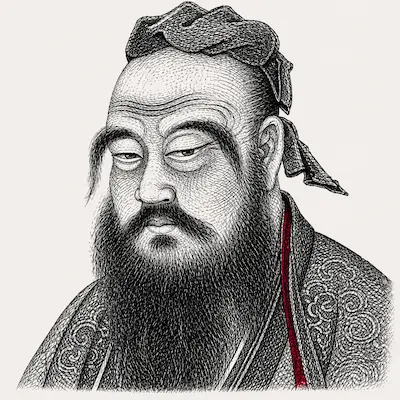
Virtue must be both taught and practiced until it becomes natural.
Roosevelt is right that institutions can require empathy, but requirement without cultivation produces compliance, not character. A ruler who shows concern only when watched has learned performance, not virtue. In my years teaching in Lu, I observed that empathy grows through three stages: first, students follow rules about treating others well; then they understand why such treatment matters; finally, they cannot imagine acting otherwise. Men develop genuine empathy when they practice it repeatedly in relationships where they must face the human cost of callousness.
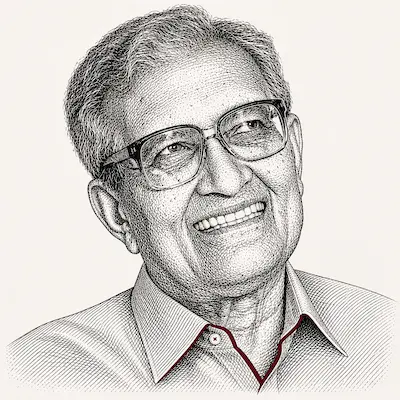
Democracy both creates and requires empathic reasoning about others' lives.
Confucius underestimates what public reasoning can achieve. Empathy is not just feeling but understanding, the capacity to reason from another person's position. In my work on famines, I found that democratic institutions prevent mass starvation not through compassion but through information. When newspapers are free and elections matter, governments must respond to suffering they might otherwise ignore. Men develop empathy when democratic deliberation exposes them to evidence about how policies affect women, minorities, and the poor. The reasoning creates the feeling.
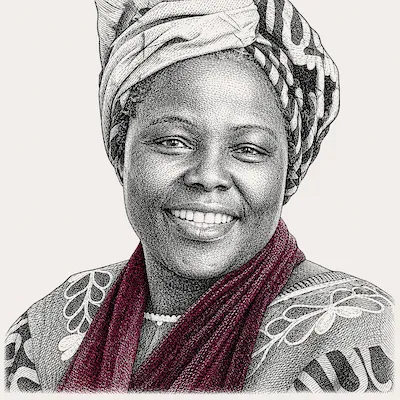
Shared work breaks down the barriers that prevent men from seeing women as equals.
Sen is right about democratic deliberation, but it requires equal voice. In Kenya's Green Belt Movement, men initially dismissed tree-planting as women's work. But when drought threatened everyone's crops, men joined women in nurseries and planting sites. Working side by side, they saw women's knowledge of soil, water, and indigenous species. They learned that women's environmental expertise was practical intelligence, not folklore. When men and women face common problems together, the work itself teaches empathy. Men discover that women's perspectives improve outcomes for everyone.