The Long Council
Who was selected, and why
How to unlock or emancipate empathy in men?
The central tension
Whether empathy is a learned capacity that can be developed through institutional intervention versus an expression of deeper cultural and psychological patterns that resist top-down change.
Selected members
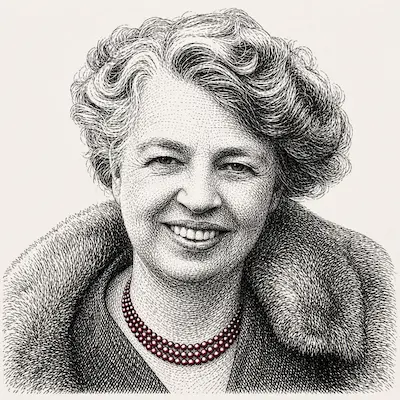
Eleanor Roosevelt
Will argue: That empathy can be cultivated through education, exposure to different experiences, and institutional frameworks that require people to consider others' perspectives, but this requires sustained commitment and cannot be imposed by mandate alone.
Her documented work on human rights and the Commission on the Status of Women provides frameworks for understanding empathy as both a civic capacity and a foundation for rights recognition.
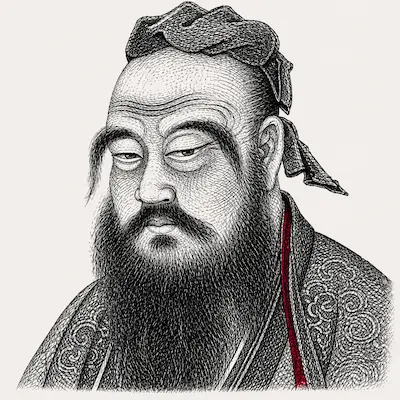
Confucius
Will argue: That empathy (ren) is cultivated through education, ritual practice, and role modeling, that institutions must be designed to shape character over time, and that this requires both individual commitment and social reinforcement.
His framework for moral cultivation and the development of virtue (ren - benevolence/humaneness) directly addresses how character traits like empathy can be systematically developed.
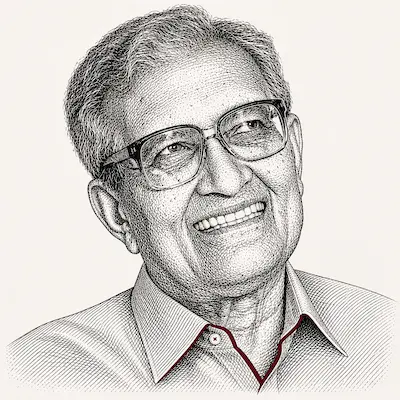
Amartya Sen
Will argue: That empathy can be enhanced through education, democratic deliberation, and institutions that expose people to different perspectives, but that this must be distinguished from mere sentiment and grounded in reasoned understanding.
His capability approach and work on reasoned empathy provide analytical frameworks for understanding empathy as both a human capacity and a requirement for just institutions.
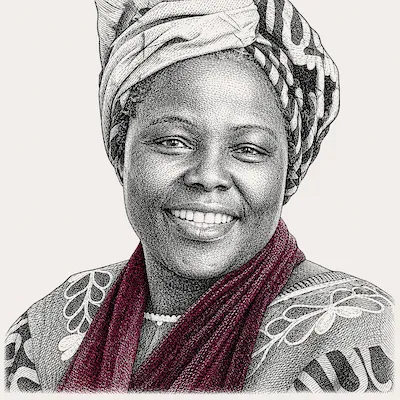
Wangari Maathai
Will argue: That empathy develops through shared work on common problems, that men develop empathy when they work alongside women and others in addressing real challenges that affect everyone.
Her work on civic education through environmental action and community organizing provides concrete examples of how working together on shared problems can develop empathy and mutual understanding.
Considered but not selected
John Rawls: His veil of ignorance requires empathic reasoning but is too abstract for practical policy application to this specific question. - Rousseau, His education theory in Émile is relevant but focuses on natural goodness rather than the specific development of empathy in adults. - Mandela, His reconciliation framework is powerful but addresses post-conflict settings rather than general social development.