Every age believes its problems are unprecedented. They rarely are. The Long Council asks history's greatest statesmen, economists, strategists and philosophers what they would make of the decisions we face today.
They built states, governed through crises, and left ideas that outlived them. Here their judgment is put to work on the questions in front of us now. The technologies are new. Many of the dilemmas are not.
Rulers, economists, strategists and institution-builders spanning 2,500 years.
- C
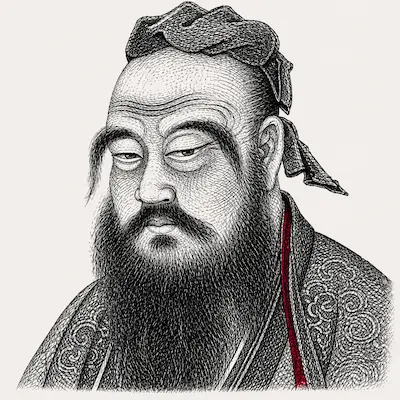
Confucius - K
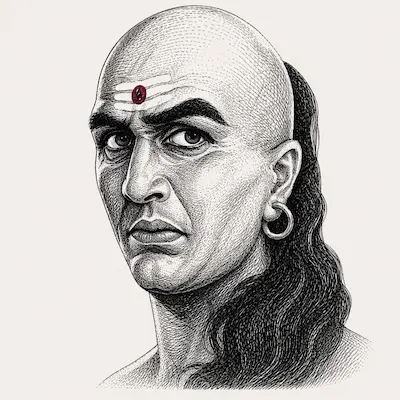
Kautilya - I
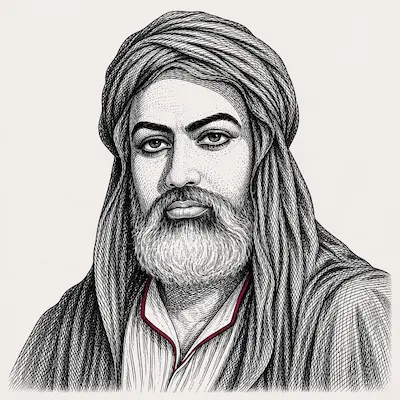 Ibn
Ibn
Khaldun - N
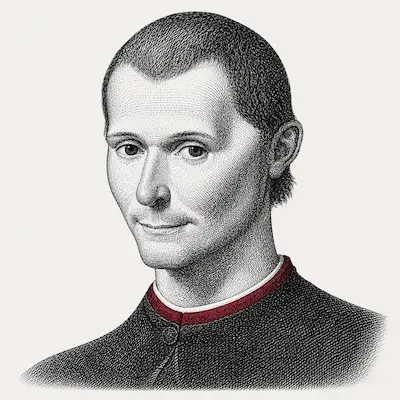 Niccolò
Machiavelli - H
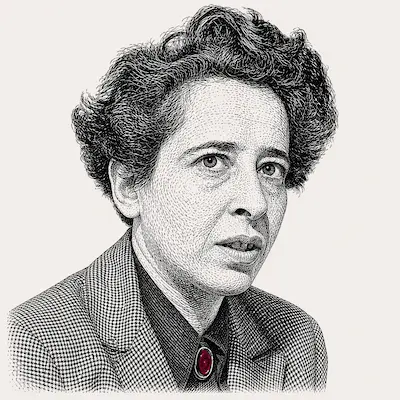 Hannah
Arendt - L
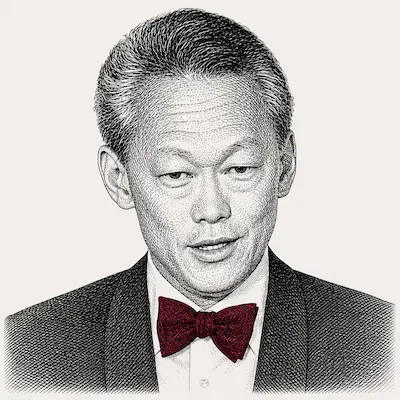 Lee Kuan
Yew - M
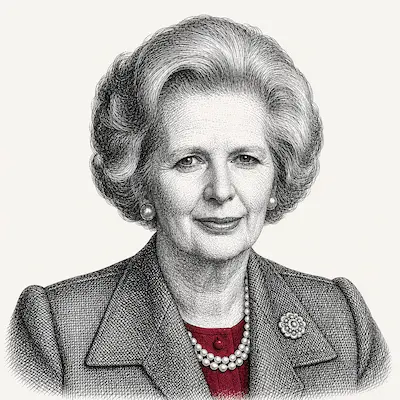 Margaret
Thatcher - F
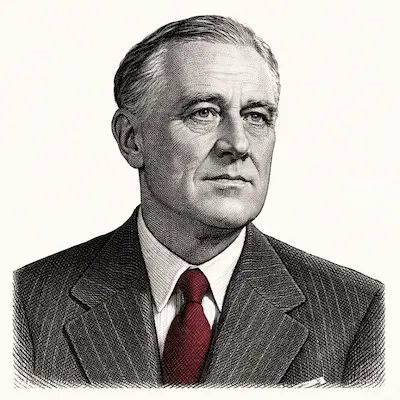 Franklin D.
Roosevelt
How it works
- 1Ask a question.
- 2The council selects the voices whose work speaks to it.
- 3Each answers from their own conviction.
- 4They challenge one another.
- 5A verdict emerges.
Grounded in the record
Every argument is grounded in the historical record. The council cannot invent views its members never held. It reasons from what they actually wrote, decided, and defended.
Why this exists
Most AI answers a question by drawing on the whole internet. The Long Council answers it through minds whose ideas survived centuries of scrutiny. The difference is not more information. It is better judgment.
What you read is AI-generated reasoning grounded in the historical record, not the counsel of these people themselves. Treat it as you would a panel of well-read advisors: worth listening to, never a substitute for expertise or judgment.
A project by Alex van Leeuwen, a tech entrepreneur, investor, and political scientist (University of Amsterdam). The Long Council is non-profit: no accounts, no ads, no tracking.
Tell us what you think
We read everything. If you have feedback, a question, or a suggestion, write to us.