How can the Dutch bureaucracy better respond to the social problems it currently ignores?
Built from documented writings, speeches, decisions and historical records. Council members argue from documented positions, applied to today's question.
Create citizen oversight boards with power to stop cases and fire officials.
Ostrom's polycentric design and Maathai's community control converge on the same mechanism: those affected must have real power over those making decisions. The toeslagenaffaire happened because 26,000 families had no way to stop the machine processing them. Hirschman shows voice was systematically suppressed while exit remained impossible.
Arendt warns that better procedures alone recreate the same faceless power that enabled the scandal. The split is between reforming accountability within existing bureaucracy versus restructuring power relationships entirely.
- 1Create citizen oversight boards with authority to halt individual cases and dismiss officials who ignore community input.
- 2Grant affected families direct veto power over algorithmic decisions before implementation, not after harm occurs.

Bureaucracies survive every reformer they meet.
The Dutch scandal reveals a classic commons problem: how do you govern a shared resource, in this case, administrative fairness, when individual bureaucrats face incentives to process cases quickly rather than accurately? My forty years studying irrigation systems, fisheries, and forests taught me that centralized command-and-control fails because it ignores local knowledge. The Dutch Tax Authority operated like a Soviet planning agency: rigid rules, no feedback loops, and punishment for anyone who questioned the system. In 1990, I documented how the Los Angeles Police Department reformed after similar systematic failures. The key was polycentric governance, multiple overlapping authorities with real monitoring power, not just bureaucratic theater.
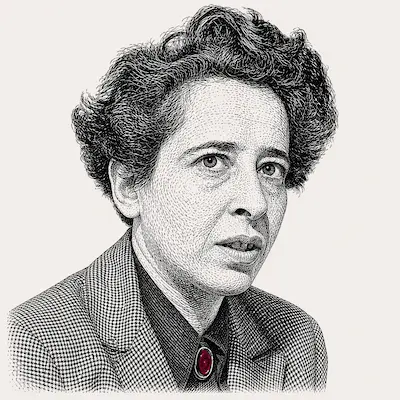
Rule by nobody destroys the human capacity for judgment.
Ostrom's polycentric solution misses the deeper problem. The Dutch scandal exemplifies what I call "rule by nobody", bureaucratic domination where no individual can be held responsible because responsibility is diffused through procedures, algorithms, and institutional roles. When the tax authority processed 26,000 families through fraud detection software, individual civil servants became instruments of a system that eliminated their capacity for moral judgment. This is more dangerous than tyranny because tyranny has a face you can oppose. Bureaucracy is faceless power that transforms ordinary people into functionaries who commit systematic harm while following proper procedures. The Eichmann trial taught us this: thoughtlessness is not an excuse, it is the mechanism through which institutional evil operates.
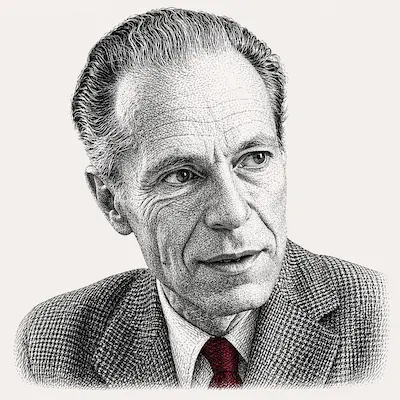
Exit, voice, and loyalty failed simultaneously, that's institutional collapse.
Arendt is right about thoughtlessness, but the Dutch case shows something more specific: the systematic suppression of voice mechanisms that could have prevented the disaster. When bureaucratic systems make exit impossible (families can't opt out of the tax authority) and voice ineffective (complaints were ignored or processed through the same flawed system), loyalty becomes complicity. I documented this pattern in the 1970s: organizations that make it too easy to exit lose their best people, but organizations that make voice impossible lose their legitimacy. The Dutch Tax Authority had neither effective exit nor effective voice. Ethnic minorities couldn't exit the system and their voice was systematically discredited. This created what I call a "loyalty trap", people forced to accept treatment they cannot escape or effectively challenge.
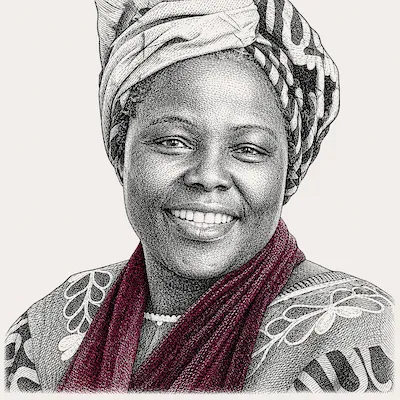
Democratic accountability is the mechanism by which communities protect themselves.
Hirschman's exit-voice framework applies perfectly here, but he understates the power dimension. In Kenya, I spent thirty years fighting state systems that excluded communities from decisions affecting their lives. The Dutch scandal follows the same pattern: bureaucratic decisions made about people, not with them. Those 26,000 families were treated like subjects, not citizens. When I organized women to plant trees, we learned that sustainable management requires those affected to have real control over the process. The Dutch system failed because it concentrated power in bureaucratic hands while diffusing consequences to vulnerable families. The ethnic minorities targeted weren't just victims of bad procedures, they were excluded from the governance system that should have protected them. You cannot fix this with better monitoring. You need structural power-sharing.
The convergence note
Where the council converges: The Dutch scandal represents institutional failure where voice mechanisms were systematically suppressed and accountability was diffused through bureaucratic procedures that eliminated individual responsibility.
Where it divides: Ostrom seeks polycentric governance solutions; Arendt diagnoses the deeper problem of bureaucratic domination; Hirschman focuses on voice suppression; Maathai demands structural power-sharing.
For a policymaker to decide on: Whether to reform existing bureaucratic accountability mechanisms or fundamentally restructure the relationship between administrative systems and the communities they serve.