How can Turkey restore its democracy while Erdogan systematically eliminates political opponents?
Built from documented writings, speeches, decisions and historical records. Council members argue from documented positions, applied to today's question.
Turkey's captured institutions cannot be reformed from within, but comprehensive reconstruction requires economic crisis to fracture Erdogan's coalition first.
Arendt and Atatürk agree that systematic capture destroys the foundation for gradual reform. When courts, media, and opposition spaces are eliminated, incremental change preserves what must be destroyed. Gandhi and Mandela counter that exclusion breeds counter-revolution; democratic restoration requires accepting former oppressors into the new system.
Ibn Khaldun identifies the opening: Erdogan's patronage system is economically unsustainable. Currency crises expose the structural weakness of loyalty purchased through state resources.
The council splits on sequence. One camp demands comprehensive institutional reconstruction before meaningful democracy is possible. The other insists that exclusion creates permanent enemies who will sabotage any transition.
- 1Focus opposition strategy on economic governance failures rather than constitutional abstractions to exploit Erdogan's unsustainable patronage system.
- 2Prepare comprehensive institutional reconstruction plans that address the underlying conditions enabling systematic capture.
- 3Build coalitions demonstrating capacity to govern post-transition while maintaining credible opposition to current capture.
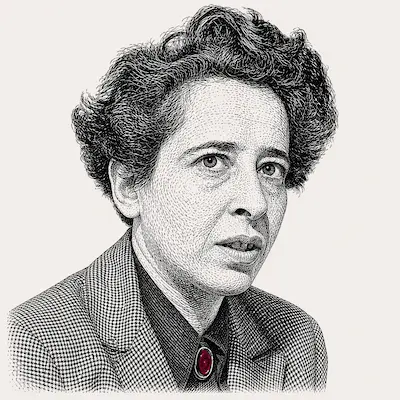
Turkey exhibits the documented pattern of totalitarian preparation.
Erdogan's systematic capture follows the blueprint I documented in The Origins of Totalitarianism. He has destroyed the public realm where citizens can act together, eliminated judicial independence, and reduced politics to administrative rule by nobody. The 13,000 political prisoners are not a security measure, they are the atomisation of opposition necessary for total control. When ordinary institutional culture enables systematic harm, the preconditions for totalitarian rule are established. Turkey's opposition faces the documented challenge: how to act in concert when the spaces for collective action have been systematically eliminated.
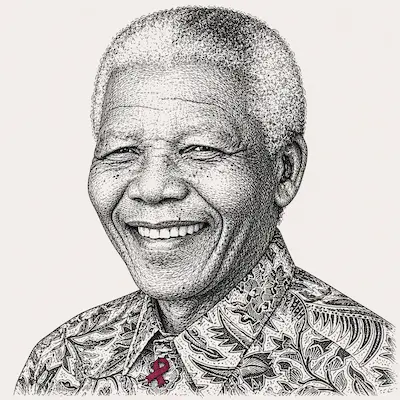
Legitimacy requires inclusion, even former oppressors need a place.
Arendt correctly identifies institutional capture, but my experience suggests a different path. In 1990 I chose to negotiate with the apartheid government rather than demand preconditions, because you cannot build a state on permanent enmity. The Turkish opposition must offer Erdogan's supporters a future in a democratic Turkey, not just his removal. During our transition, I included the National Party in government precisely because exclusion breeds counter-revolution. The alternative to inclusion is not victory, it is endless conflict that destroys what you are trying to build.
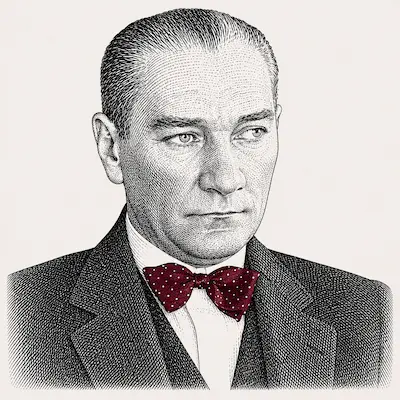
Radical top-down transformation is sometimes the only path.
Mandela's inclusion model assumes good faith from captured elites. Erdogan has systematically destroyed the secular republican framework I built, the separation of religion and state, judicial independence, democratic accountability. When entrenched interests capture institutions completely, gradualism preserves what must be destroyed. In 1923 I abolished the sultanate and caliphate within months because incremental reform would have been captured by the old order. Turkey's opposition faces the same choice: comprehensive institutional reconstruction or continued decay under a different name.
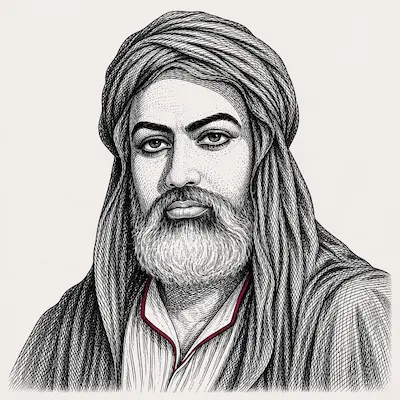
Erdogan's AKP exhibits the documented pattern of dynastic overreach.
Atatürk built well, but every dynasty contains the seeds of its own decline. Erdogan's systematic use of state resources to maintain loyalty, through construction contracts, public employment, and religious patronage, is destroying the economic foundation that makes such payments sustainable. The 2018 currency crisis revealed this structural weakness. His elimination of internal rivals within AKP has removed the competition that maintained standards. When a ruler concentrates power while the economic base erodes, external pressure will expose internal fragmentation. Turkey's opposition should focus on economic governance failures, not constitutional abstractions.
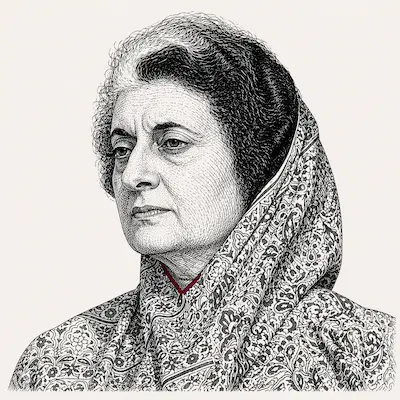
Even systematic institutional capture can be reversed through elections.
Ibn Khaldun identifies the economic vulnerabilities correctly. My 1975 Emergency suspended democracy for 21 months, I imprisoned opponents, censored press, and governed by decree. Yet I chose to call elections in 1977 and accepted defeat. Erdogan won 52.2% in 2023 despite opposition unity, but electoral legitimacy creates its own constraints. The key is maintaining opposition credibility while building coalitions that can govern post-transition. Turkey's opposition must demonstrate they can manage the economic crisis better than Erdogan, not just that they oppose him. Democratic restoration requires accepting short-term costs for long-term institutional recovery.
The convergence note
Where the council converges: Turkey's institutions have been systematically captured. Electoral opposition alone is insufficient without broader coalition-building.
Where it divides: Whether gradual reform can work within captured institutions, or whether comprehensive reconstruction is required. Whether inclusion of Erdogan's supporters is strategically necessary or structurally impossible.
For a policymaker to decide on: Whether to pursue incremental institutional repair through existing electoral processes, or to prepare for comprehensive post-Erdogan reconstruction that addresses the underlying conditions that enabled capture.