How should the current political crisis in Turkey, involving the appointment of a trustee to the CHP and the conflict between Erdoğan and Kılıçdaroğlu, be evaluated in light of Atatürk's warning about "negligence, betrayal, and delusion"?
Built from documented writings, speeches, decisions and historical records. Council members argue from documented positions, applied to today's question.
Turkey faces systematic constitutional breakdown, but the council splits on whether resistance or patience better preserves the republic.
Atatürk's 1927 warning proves prophetic: trustee appointments and ignored court rulings show negligence enabling constitutional capture. Arendt identifies the mechanism: when ruling parties treat opposition electoral success as illegitimate threat, democratic competition becomes impossible. Gandhi's emergency experience confirms the trap: protecting democracy by suspending it destroys what it claims to save.
The council agrees constitutional limits are systematically violated. They split on response: Locke justifies resistance when government breaches its founding compact; Atatürk counsels defending republican principles through institutions.
- 1Reject any policy proposal that treats opposition electoral victories as threats requiring trustee intervention.
- 2Restore elected mayors to office where constitutional court rulings have been ignored or bypassed.
- 3Anchor constitutional limits through mechanisms that prevent emergency powers from expanding beyond their stated purpose.
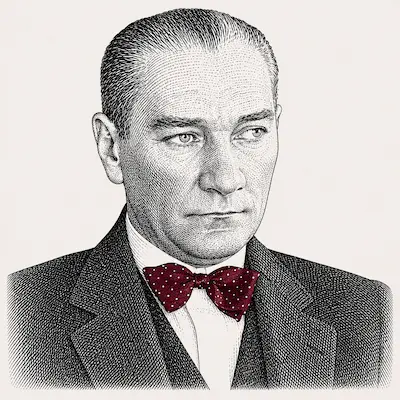
Gaflet, hıyanet ve dalalet remain the primary threats to republican institutions.
The current crisis tests whether my institutional design can withstand the polarisation I predicted. In 1927's Nutuk, I warned that negligence allows enemies of the republic to capture democratic processes, treason occurs when leaders prioritise personal power over constitutional limits, and error happens when institutions fail to distinguish between legitimate opposition and existential threat. Today's constitutional court rulings and municipal trustee appointments echo the same struggle. The question is not whether democracy functions, but whether republican principles survive democratic competition.
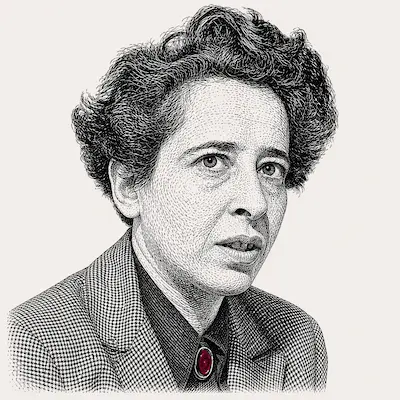
Democratic erosion begins when temporary electoral defeat becomes permanent system threat.
Atatürk correctly identifies the structural danger. When a ruling party treats opposition control of major cities as illegitimate rather than temporary, it has begun to destroy the political realm itself. My analysis of totalitarian preconditions applies here: the atomisation of citizens, the elimination of spaces for genuine political action, and the reduction of plurality to uniformity. The Turkish case shows how ordinary institutional conflicts become existential when one side refuses to accept that power can legitimately change hands. This is not normal democratic competition but the systematic elimination of the conditions under which democracy operates.
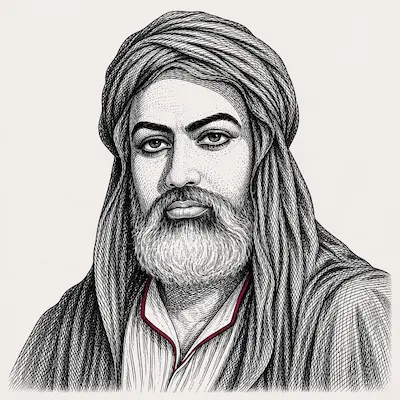
Political crisis reveals whether a dynasty's social cohesion can survive prosperity's corruption.
Arendt understands the institutional dimension, but the deeper question is asabiyya, the group solidarity that sustains political authority. In my observation of North African dynasties, I documented that ruling groups decay from within when luxury and power distance them from the social base that brought them to power. Turkey's current polarisation suggests that neither AKP nor CHP commands the unified social cohesion necessary for stable governance. External pressure from courts and municipalities tests whether the ruling group's internal solidarity remains strong enough to govern, or whether the cycle of dynastic decline has reached the point where new forces must emerge.
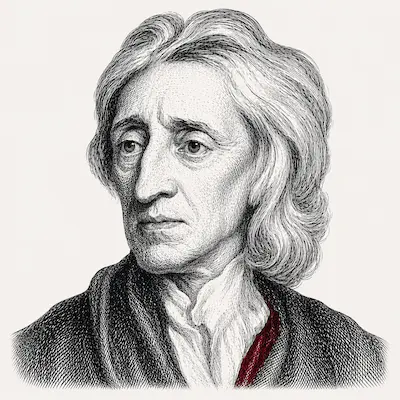
Government dissolves itself when it systematically violates the constitutional framework that created it.
Ibn Khaldun's cyclical analysis applies, but the immediate question is constitutional: when trustee appointments bypass elected local government and court rulings are ignored, authority becomes tyrannical. In my Second Treatise, I argued that people retain the right to dissolve governments that consistently breach the constitutional compact. The Turkish situation presents this choice clearly, opposition mayors were elected under the same constitution the ruling party claims to defend. When government becomes systematically destructive of the ends for which it was established, the people may judge whether new arrangements better secure their safety and happiness.
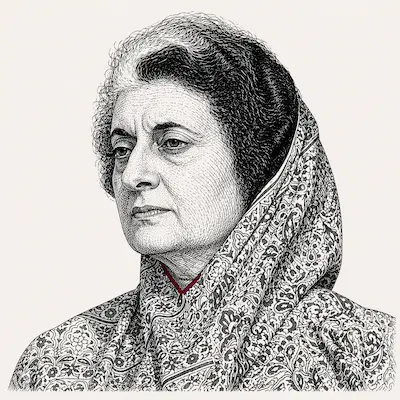
Emergency powers destroy the democracy they claim to save.
Locke's constitutional framework applies, but I governed through this exact tension. In 1975, I imposed Emergency rule claiming it would preserve democratic institutions against destabilisation. The result was the opposite, emergency powers, once assumed, create their own justification and expand beyond their original purpose. My experience demonstrates that when leaders believe opposition success threatens the system itself, the cure becomes worse than the disease. Turkey's trustee appointments follow this logic: protecting democracy by suspending it. But democracy cannot be saved by destroying its essential feature, the peaceful transfer of power through elections.
The convergence note
Where the council converges: All members agree that systematic violation of constitutional limits threatens republican governance itself.
Where it divides: Atatürk emphasises defending republican principles; Arendt focuses on preserving political plurality; Ibn Khaldun diagnoses social cohesion breakdown; Locke justifies resistance; Gandhi warns against emergency logic.
For a policymaker to decide on: Whether current institutional conflicts represent normal democratic competition requiring patience, or systematic constitutional breakdown requiring decisive intervention to preserve the republic.