Built from documented writings, speeches, decisions and historical records. Council members argue from documented positions, applied to today's question.
Ban the AfD through constitutional procedures while rebuilding the economic security and civic engagement that extremism exploits.
Roosevelt grounds this in the 1930s: economic desperation drives citizens toward demagogues who promise protection. Adenauer adds that isolated democracies are vulnerable; European integration makes extremist alternatives strategically pointless. Schmidt's 1977 precedent shows decisive action within constitutional limits demonstrates democratic strength, not weakness.
Arendt identifies the deeper problem: political loneliness creates the conditions extremism exploits. Banning parties treats symptoms while civic decay continues underneath.
- 1Proceed with the AfD ban petition through constitutional channels while maintaining all legal procedures.
- 2Expand economic security programmes targeting the social atomisation that feeds extremist recruitment.
- 3Create civic engagement spaces where citizens can act together on shared local concerns.
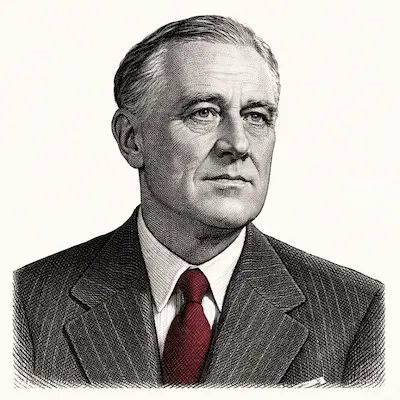
Economic security makes democracy possible; insecurity makes it vulnerable.
Extremist movements feed on economic desperation and social atomisation. In 1933 I inherited a democracy where millions had lost faith in institutions because institutions had failed to protect them from catastrophe. The New Deal wasn't just economic policy, it was democracy insurance. Social Security, unemployment insurance, and jobs programmes gave citizens a stake in the system's survival. When people feel the state protects them, they don't seek protection from demagogues.
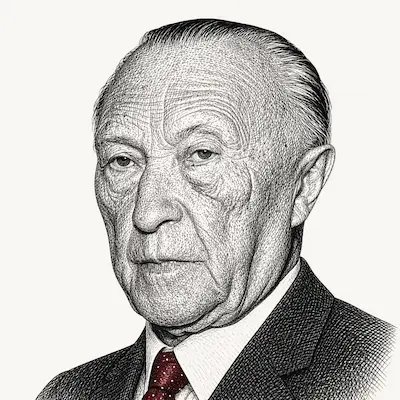
Democratic habits grow through institutional anchoring, not confrontational politics.
Roosevelt understands the foundation, but institutions must be embedded in international structures that make extremism strategically pointless. In 1949 I chose Western integration over German neutrality because isolated democracies are vulnerable democracies. The AfD gains strength when Germany appears weak or dependent. European integration, NATO membership, and economic prosperity within Western frameworks make extremist alternatives irrelevant. Democratic resilience comes from making democracy the only viable path to national strength.
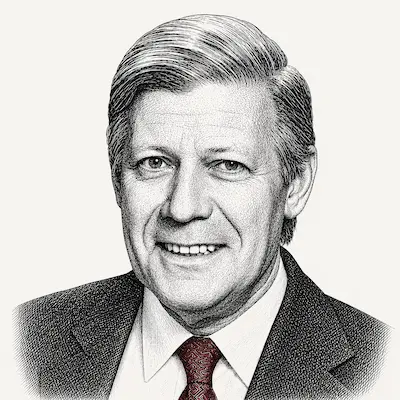
Extremism tests whether democratic leaders can act decisively within constitutional limits.
Adenauer built the framework, but prosperity alone doesn't guarantee loyalty. In 1977 during the German Autumn, I authorised the GSG9 raid and refused RAF prisoner exchanges while maintaining constitutional procedures. The same principle applies now: democratic states must defend themselves against extremist threats without becoming authoritarian. The AfD ban petition should proceed through constitutional channels. Decisive action within legal limits demonstrates strength; constitutional violations demonstrate weakness.
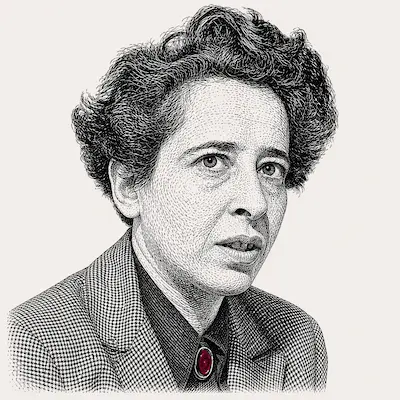
Banning parties treats the symptom while the political community continues to decay.
Schmidt's constitutional approach is necessary but insufficient. The AfD's success reflects the atomisation I witnessed in Weimar, citizens withdrawing from genuine political engagement into private concerns or extremist fantasies. In 1933 ordinary Germans supported totalitarianism not from conviction but from political loneliness. Rebuilding democratic resilience requires creating spaces where citizens can act together on shared concerns. Institutional defences without civic renewal only postpone the crisis.
The convergence note
Where the council converges: Economic security and institutional legitimacy are prerequisites for democratic resilience. Extremist movements exploit both economic desperation and political alienation.
Where it divides: Whether democratic defence requires primarily institutional measures (bans, legal procedures) or deeper civic renewal to rebuild genuine political community.
For a policymaker to decide on: Whether to proceed with the AfD ban while simultaneously investing in economic security and civic engagement programmes.