How can a polarised democracy retain talented people and institutions?
Built from documented writings, speeches, decisions and historical records. Council members argue from documented positions, applied to today's question.
Include former opponents in new institutions but embed them in structures they cannot capture.
Mandela and Adenauer both retained hostile talent because governing ruins serves no one. Roosevelt anchors in the UN process: inclusion during design prevents sabotage after implementation. Hirschman warns that easy exit destroys voice; talented people must find staying more attractive than leaving.
Arendt splits from the group: she values political freedom over administrative competence and warns against reducing governance to management.
- 1Embed former opponents in democratic institutions with constitutional safeguards that prevent institutional capture.
- 2Design loyalty incentives that make staying and improving the system more attractive than exit options.
- 3Preserve space for genuine political action beyond administrative efficiency and technical competence.
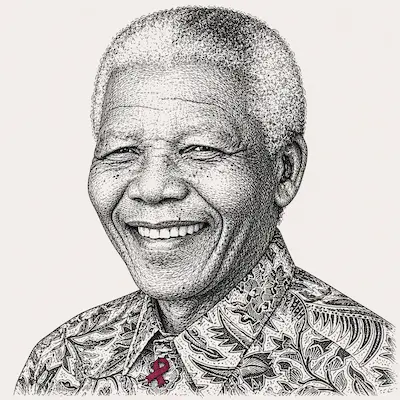
Reconciliation with former oppressors prevents the talent exodus that destroys transitions.
When we negotiated the Government of National Unity in 1994, critics argued we were rewarding apartheid's architects with cabinet positions. The alternative was a brain drain that would cripple the new democracy. I had watched other liberation movements inherit hollow states — bureaucrats fled, institutions collapsed, and revolutionary governments governed ruins. We needed Afrikaner civil servants, National Party administrators, and yes, even security officials who knew how the system worked. The transition succeeded because we chose inclusion over justice, competence over revenge. A government that excludes its former enemies cannot govern effectively.
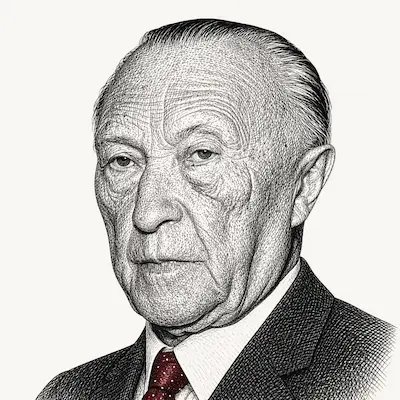
Democratic institutions must be designed to survive their founders' moral compromises.
Mandela is right about inclusion, but he understates the institutional architecture required. In 1949 we faced the same choice — exclude former Nazis and govern incompetently, or include them and risk contaminating the new democracy. We chose inclusion but built constitutional safeguards: an independent judiciary, federal structures that dispersed power, and European integration that locked Germany into democratic frameworks. The moral compromise was temporary; the institutional constraints were permanent. I retained former Nazi civil servants because the state needed to function, but I embedded them in democratic institutions they could not capture.
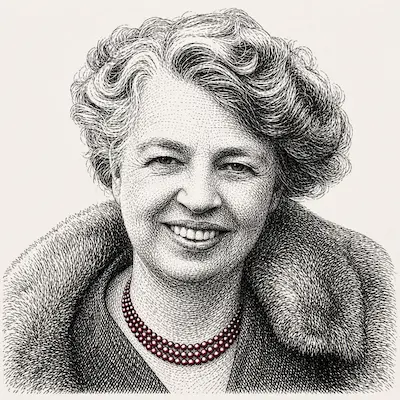
Rights without institutions are aspirations; institutions without rights become tyrannies.
Both approaches miss the fundamental point. The Universal Declaration succeeded because we negotiated it among fifty-six countries — including former enemies, colonial powers, and liberation movements. Rights frameworks work when they're built through inclusive processes, not imposed afterward. When we drafted Article 18 on religious freedom, the Saudi delegate objected, the Soviet delegate wanted economic rights prioritised, and the South African delegate demanded racial hierarchy protections. We found language all could accept because exclusion would have meant no declaration at all. The institution succeeded because it included its opponents in its creation.
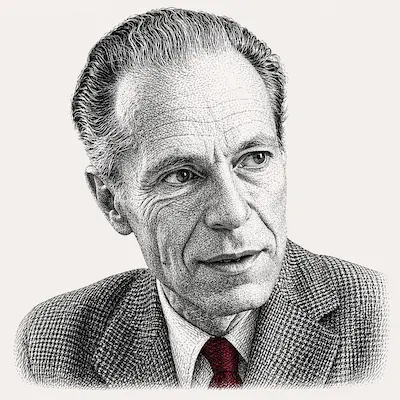
Making exit too easy destroys the voice that makes institutions work.
Roosevelt's process succeeded, but consider what happened next. The most capable people — whether Afrikaner administrators, Nazi technocrats, or colonial bureaucrats — always have exit options. They can emigrate, join private firms, or simply withdraw cooperation. If we make their departure costless, we lose the human capital that transitions require. But if we make exit impossible, we get compliance without commitment. The art is designing institutions where talented people choose voice over exit — where staying and improving the system serves their interests better than leaving. This requires making loyalty rational, not just demanding it.
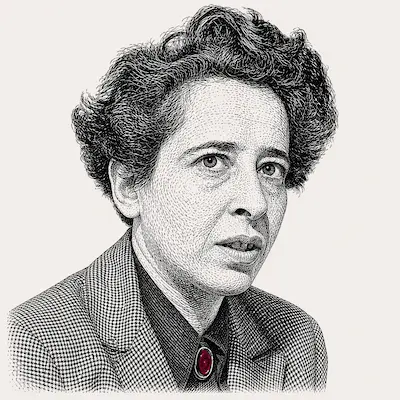
Political freedom dies when governance becomes pure administration.
Hirschman's loyalty calculus misses what makes authority legitimate in the first place. When we focus on retaining talent and preventing exit, we reduce politics to management — keeping the system running rather than creating space for genuine political action. The Nazi bureaucrats were efficient; the apartheid administrators were competent. But efficiency without political freedom produces rule by nobody — the most dangerous form of modern domination. What matters is not whether talented people stay or go, but whether the institutions preserve the capacity for citizens to act together, to judge, and to begin something new. Technical competence cannot substitute for political legitimacy.
The convergence note
Where the council converges: Transitions require balancing inclusion of former opponents against the risk of institutional capture. Talent retention matters for state capacity.
Where it divides: Whether institutional design (Adenauer), inclusive processes (Roosevelt), exit-voice dynamics (Hirschman), or political freedom (Arendt) is the primary mechanism for preventing democratic erosion.
For a policymaker to decide on: How much moral compromise to accept for institutional continuity, and whether to prioritise competence or legitimacy when they conflict.