The Long Council
Who was selected, and why
How can Turkey restore its democracy while Erdogan systematically eliminates political opponents?
The central tension
Whether democratic restoration is possible through existing institutions when those institutions have been captured, or requires extra-institutional mobilisation that risks authoritarian backlash.
Selected members
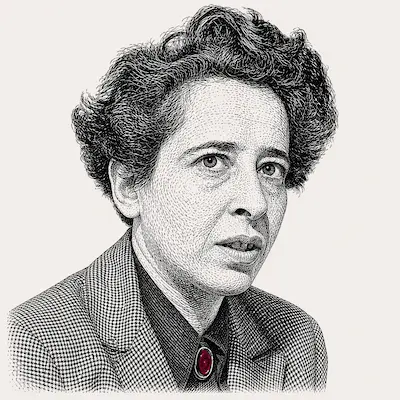
Hannah Arendt
Will argue: That Turkey exhibits the documented pattern of totalitarian preparation, destruction of political spaces, elimination of accountability, reduction of citizens to isolated individuals who cannot act in concert.
Her framework on totalitarian erosion, bureaucratic rule, and the destruction of the public realm directly addresses how ordinary institutional culture enables systematic harm under Erdogan's captured state.
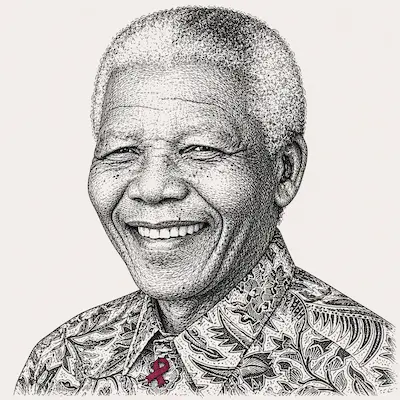
Nelson Mandela
Will argue: That democratic restoration requires maintaining legitimacy through principled opposition while building inclusive coalitions that can govern post-transition, revenge politics destroys what you're trying to build.
His documented experience negotiating democratic transition while maintaining principled opposition under systematic state repression provides the closest parallel to opposition strategy under Erdogan.
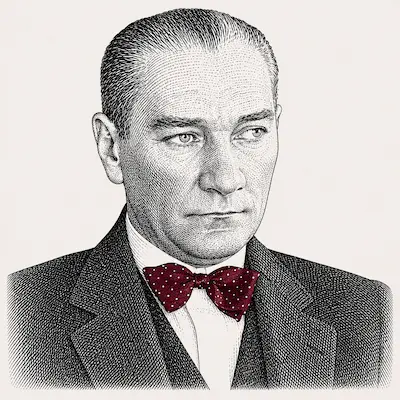
Mustafa Kemal Atatürk
Will argue: That Erdogan's capture represents the destruction of the secular republican framework, but also that Atatürk's own single-party precedent created institutional habits that enabled this capture.
As founder of the Turkish Republic, his documented framework for secularism, institutional design, and national identity construction provides the historical foundation that Erdogan is systematically dismantling.
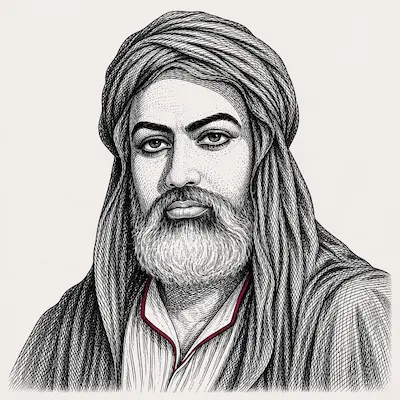
Ibn Khaldun
Will argue: That Erdogan's AKP exhibits the documented pattern of dynastic overreach, using state resources to maintain loyalty while destroying the economic foundation that makes such payments sustainable.
His asabiyya theory explains how ruling groups maintain power through group solidarity while opposition fragments, and his taxation theory addresses how Erdogan uses economic control as a political weapon.
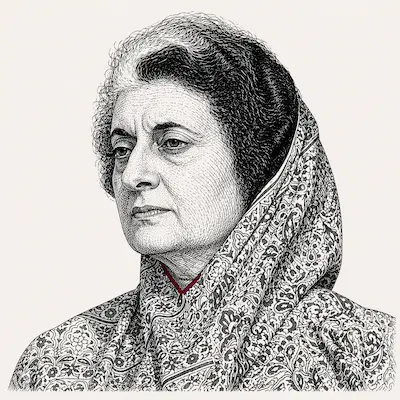
Indira Gandhi
Will argue: That even systematic institutional capture can be reversed if opposition maintains electoral legitimacy and the military remains neutral, but requires accepting short-term costs for long-term restoration.
Her documented 1975 Emergency and subsequent democratic restoration provides the clearest parallel case of democratic backsliding followed by electoral restoration in a large democracy.
Considered but not selected
Frantz Fanon: His framework addresses colonial psychology but Turkey's current crisis is institutional capture, not colonial subjugation - John Locke, His consent theory and right of resistance are relevant but too abstract for the specific problem of captured courts and imprisoned opponents - Helmut Schmidt, His crisis management experience doesn't translate to democratic restoration under authoritarian conditions