Built from documented writings, speeches, decisions and historical records. Council members argue from those positions, applied to today's question.
Putin's survival depends on appearing strong, making normal diplomacy impossible until costs exceed benefits.
Schmidt and Roosevelt anchor in historical precedent: the 1979 missile crisis and Stalin's pattern show strength-first approaches work. Kissinger counters with 1972 grain deals that gave Moscow face-saving wins alongside Western deterrence. Sun Tzu and Machiavelli agree Putin's domestic constraints make him structurally unreliable.
The council splits on timing: negotiate now with credible alternatives, or sustain pressure until his position weakens.
- 1Maintain credible military deterrence while preparing economic pressure that exceeds Putin's domestic political costs.
- 2Structure any agreements to give Putin face-saving domestic victories while preserving Western core positions.
- 3Sustain coalition pressure longer than Putin can sustain economic and military costs to his regime.
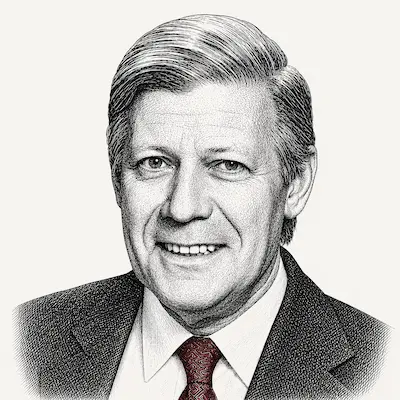
Credible deterrence requires accepting uncomfortable nuclear realities.
I managed NATO's dual-track decision precisely because I understood what my colleagues prefer to ignore: Putin respects strength, not moral arguments. In November 1979 I told the Bundestag that Soviet SS-20 missiles aimed at Europe demanded a response Moscow would actually fear. We deployed Pershing IIs not because we wanted nuclear weapons, but because credible deterrence prevents the wars that destroy everything. Putin operates by the same logic. He withdrew from New START because he believes the West lacks resolve. The mistake is treating this as a negotiation between equals when it is a test of will.

Putin must be offered face-saving exits while maintaining credible alternatives.
Schmidt understands deterrence, but deterrence alone cannot resolve this crisis. I negotiated with Brezhnev for eight years. Soviet leaders, like Putin, operate from a framework of spheres of influence and strategic parity. They will not accept terms that appear to diminish their great power status. In 1972 I gave Moscow grain deals and arms control agreements while maintaining NATO strength. Putin needs something he can present as victory, perhaps recognition of Russian interests in former Soviet space, while we maintain our core positions. The art is structuring agreements where both sides gain more than they lose.
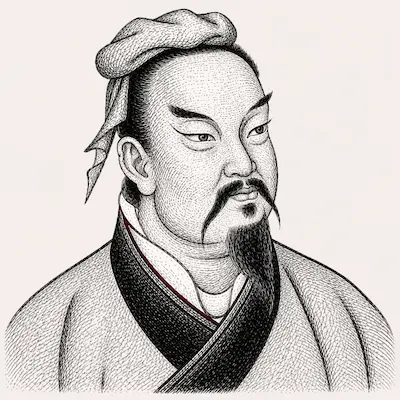
Know your adversary's constraints better than he knows yours.
Kissinger's balance assumes Putin seeks rational accommodation. This misreads the situation. Putin's twenty-four years of control rest on projecting strength to domestic audiences. He cannot appear weak and survive politically. Therefore, direct negotiation offers him only losing choices. Superior strategy creates conditions where cooperation serves his interests better than confrontation. I would exploit his economic vulnerabilities, his demographic decline, his dependence on energy exports. Make the costs of confrontation exceed the benefits while providing pathways that preserve his domestic position. Victory is achieved when the adversary chooses your preferred outcome because it has become his least bad option.
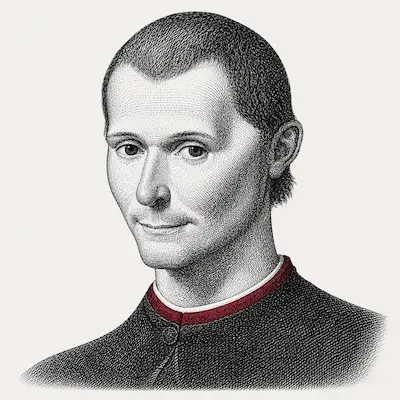
A ruler who cannot be trusted destroys governance faster than any bad policy.
Sun Tzu assumes Putin calculates rationally, but twenty-four years of unchecked power corrupts judgment. I observed Cesare Borgia's rise and fall. Borgia succeeded through calculated ruthlessness but failed when he became unpredictable even to allies. Putin faces the same trap. His domestic legitimacy requires external victories, but external aggression isolates him internationally. He has made himself indispensable through fear while making Russia dispensable through unreliability. The West should not negotiate with Putin as if he were a normal prince seeking normal gains. He is a prince whose survival requires others' insecurity. Such princes destroy themselves, but they destroy much else first.
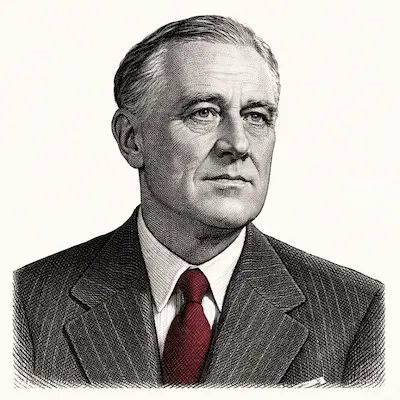
Authoritarian leaders reveal their intentions through actions, not words.
Machiavelli is right about Putin's structural constraints, but democracies have advantages authoritarians lack. I negotiated with Stalin at Yalta knowing he would test every agreement. The key was building coalitions Stalin could not break and maintaining options he could not predict. Putin's eighty percent approval ratings are brittle, they depend on economic performance and military success he cannot guarantee. Democratic leaders can absorb temporary unpopularity that would destroy an autocrat. We should use that advantage. Sustain pressure longer than Putin can sustain costs. Offer genuine benefits for genuine concessions while preparing for the possibility that his domestic position makes any agreement impossible.
The convergence note
Where the council converges: Putin's decision-making is shaped by regime survival calculations, not conventional diplomatic logic. His twenty-four years of control create both strength and vulnerability.
Where it divides: Schmidt and Machiavelli see Putin as fundamentally unreliable. Kissinger and Roosevelt believe structured agreements remain possible. Sun Tzu focuses on exploiting constraints rather than changing behavior.
For a policymaker to decide on: Whether to negotiate for incremental agreements that may fail, or to sustain pressure until Putin's domestic position forces genuine change.