The Long Council
Who was selected, and why
How to talk to Putin, or negotiate succesfully?
The central tension
Between treating Putin as a rational strategic actor who can be influenced through incentives versus recognizing him as an authoritarian leader whose decision-making is shaped by regime survival calculations that may not respond to conventional diplomatic pressure.
Selected members
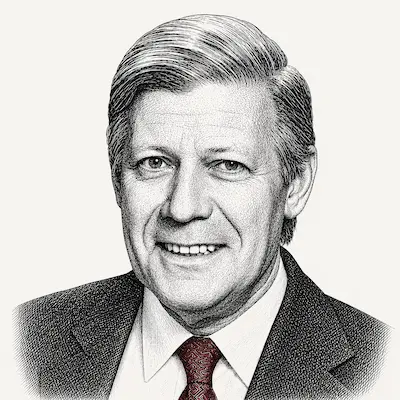
Helmut Schmidt
Will argue: Negotiate from strength while keeping channels open; Putin respects power and consistency more than moral arguments.
Managed relations with the Soviet Union during the Cold War and understood how to negotiate with authoritarian counterparts from a position of principled realism.
Henry Kissinger
Will argue: Understand Putin's conception of Russian interests and provide face-saving exits while maintaining credible deterrence.
Architect of détente with the Soviet Union and expert in realpolitik negotiations with authoritarian leaders who operate from different strategic frameworks.
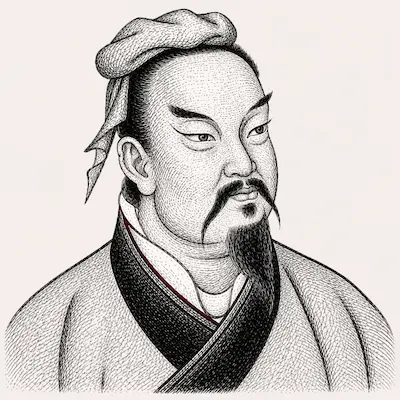
Sun Tzu
Will argue: Study Putin's actual constraints and motivations; create conditions where cooperation serves his interests better than confrontation.
His framework addresses how to achieve strategic objectives against adversaries through positioning, intelligence, and managing perception rather than direct confrontation.
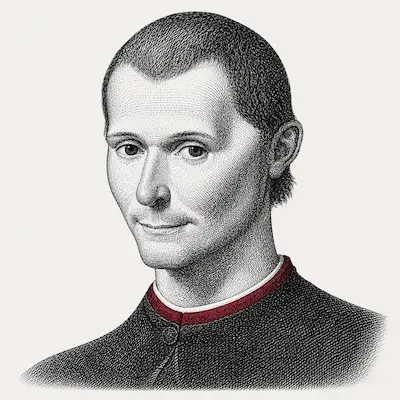
Niccolò Machiavelli
Will argue: Putin respects strength and fears weakness; successful negotiation requires credible alternatives to agreement.
His analysis of power dynamics and the relationship between fear, respect, and negotiation applies directly to dealing with authoritarian leaders who prioritize regime survival.
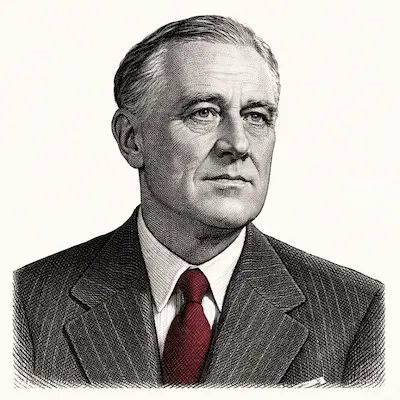
Franklin D. Roosevelt
Will argue: Personal diplomacy matters with autocrats; focus on concrete interests rather than values while maintaining alliance cohesion.
Successfully negotiated with Stalin at Yalta and through wartime summits, understanding how to work with authoritarian leaders while maintaining democratic coalition unity.
Considered but not selected
Mandela: His reconciliation framework assumes willingness to transform relationships; Putin shows no evidence of seeking fundamental change in Russia's position - Lee Kuan Yew: His small-state strategies don't apply when dealing with a major power from a position of relative equality - Ali ibn Abi Talib: His governance principles assume shared moral framework; Putin operates from different legitimacy sources