Built from documented writings, speeches, decisions and historical records. Council members argue from documented positions, applied to today's question.
Front-load enough relief to give Khamenei something to defend at home, but sequence each tranche so breaking the deal costs more than keeping it.
Machiavelli and Hirschman agree: structure the agreement so compliance pays and defection costs, not because Iran will act in good faith, but because the incentives leave no better option. Keynes anchors this in Versailles 1919: terms so harsh that no government can survive delivering them will not be delivered. Pezeshkian needs visible gains or he cannot hold any domestic coalition for compliance. Ibn Khaldun adds that maximum pressure since 2025 has not fractured the regime; it has given Khamenei a foreign enemy to rally against, so coercive leverage is weaker than it looks.
Ben-Gurion's objection is real and unresolved. At 60% enrichment, Iran is weeks from weapons-grade material, and any deal that leaves enrichment infrastructure intact is a delay, not a settlement. The council splits here: Ben-Gurion insists verified dismantlement must come before major relief; Keynes and Hirschman argue that demanding it upfront ends the negotiation before it produces anything.
- 1Sequence sanctions relief so each tranche deepens Iran's economic integration, making defection in year three costlier than in year one.
- 2Condition the first relief tranche on verified, not promised, compliance steps; automatic snapback triggers must be written into the agreement text.
- 3Give Pezeshkian visible, tangible gains early enough to sustain a domestic coalition for continued compliance.

Structure the deal so compliance serves Iran's interest, not its virtue.
I watched Cesare Borgia hold the Romagna in 1502 by making submission more profitable than resistance for every local lord. The same logic applies here. Khamenei will not dismantle enrichment capacity because negotiators appeal to his goodwill or threaten his pride. He will dismantle it only if the architecture of the agreement makes defection immediately costly and compliance visibly rewarding. Build in automatic, irreversible sanctions snapback. Make the first tranche of relief conditional on verified, not promised, steps. The fox must be caged by the structure, not by trust.
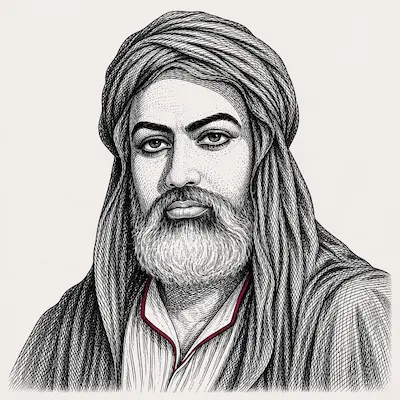
External pressure on a cohesive regime produces solidarity, not fracture.
Machiavelli is right that structure matters, but he has not asked the prior question: what is the condition of the regime's internal cohesion before the structure is applied? I watched the Almoravids and the Marinids run the same cycle. A dynasty with genuine asabiyya, real group solidarity binding ruler to governed, grows stronger under external attack. The IAEA assessments confirm Iran reached 60% enrichment under maximum pressure, not despite it. Khamenei's ideological and institutional hold appears intact. Sanctions have not fractured the regime; they have given it a foreign enemy to consolidate against.
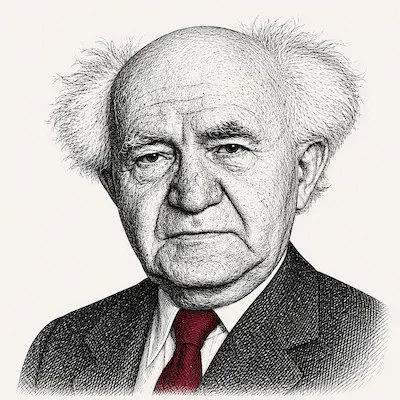
Near-breakout capability is not a negotiating position; it is a deadline.
Ibn Khaldun is right that pressure consolidates a cohesive regime. But he asks the wrong question for a small state in the region. I built Dimona in the late 1950s precisely because I understood that a neighbour's nuclear capability, once established, cannot be wished away by structural analysis. Iran at 60% enrichment is weeks from weapons-grade material. Any agreement that leaves enrichment infrastructure intact is not a security arrangement, it is a delay. I told Eisenhower in 1956 that Israel could not rely on great power guarantees. The same lesson applies: irreversible dismantlement, or the agreement is worthless.
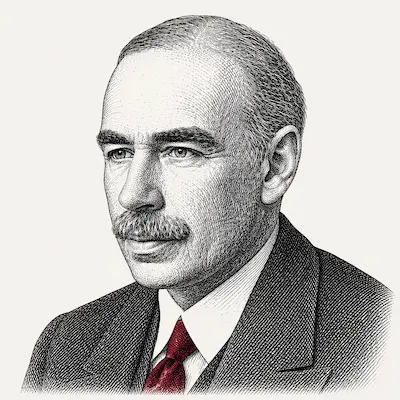
Relief must be large enough that Iranian leaders can sell compliance at home.
Ben-Gurion demands irreversibility, and he is right about the security requirement. But he has not answered how you get there. At Versailles in 1919 I resigned because the reparations imposed on Germany were unworkable, not because they were unjust in principle, but because no German government could survive delivering them. The same trap awaits here. If sanctions relief is too thin, too slow, or too conditional, Pezeshkian cannot show his population any tangible gain from compliance. Khamenei then has no domestic coalition to protect. The deal collapses not from bad faith but from structural impossibility. Workable terms are the precondition of durable terms.
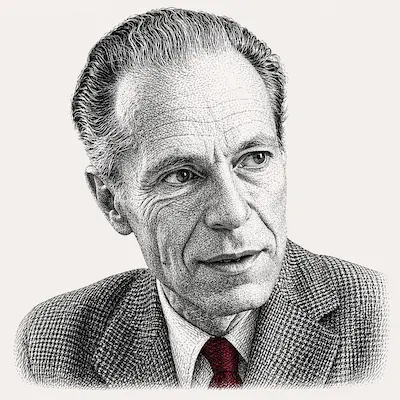
Design the deal so breaking it costs more than keeping it.
Keynes is correct that the relief must be real. But the question I would press is not the size of the first tranche, it is the irreversibility architecture of the whole arrangement. When I worked in Colombia in the 1950s, I saw development agreements collapse the moment political conditions shifted, because exit was always cheaper than voice. The durable agreements were those where the costs of leaving had been built up over time: trade relationships, institutional linkages, economic dependencies that made defection progressively more expensive. For Iran, that means sequencing relief so that each tranche deepens the economic integration that the next defection would destroy. Khamenei must have more to lose by breaking the deal in year three than he did in year one.
The convergence note
Where the council converges: No member believes good faith alone sustains an agreement; all agree the deal's architecture matters more than its rhetoric. Relief must be substantial enough to be politically defensible inside Iran, and the structure must make defection progressively more costly over time.
Where it divides: Ben-Gurion insists on irreversible dismantlement as the minimum threshold; Keynes and Hirschman argue that demanding too much upfront collapses the negotiation before it produces anything. Ibn Khaldun and Machiavelli disagree on whether pressure has weakened or hardened the regime's internal cohesion, which determines how much leverage negotiators actually hold.
For a policymaker to decide on: Should the first agreement require verified dismantlement of enrichment infrastructure before major relief, or should relief begin earlier to build the economic dependencies that make later dismantlement Iran's rational choice? The sequence is the policy.