Can street protests build lasting institutions, or only tear down governments?
- HA
 Hannah
Arendt - JR
 Jean-Jacques
Rousseau - AOH
 Albert O.
Hirschman - EJS
 Ellen Johnson
Sirleaf - JN
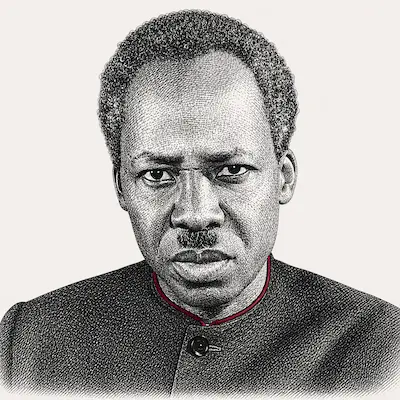 Julius
Nyerere - FF
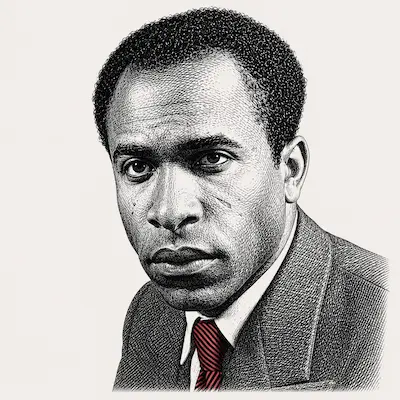 Frantz
Fanon
Built from documented writings, speeches, decisions and historical records. Council members argue from documented positions, applied to today's question.
Street protests can remove a ruler but cannot build what replaces him. That takes years of deliberate sequencing after the crowd goes home.
Arendt distinguishes power from authority: Sudan's 2019 coalition and Bangladesh's 2024 movement both toppled leaders without founding anything to replace them. Hirschman's test is irreversibility; Sri Lanka's 2022 protests were undoable in a way that installing Wickremesinghe through parliament was not. Sirleaf shows the alternative actually working: Liberia rebuilt revenue collection, banking, police and courts in sequence over years after 2006, not overnight. Nyerere and Fanon both warn that whoever fills the vacuum, a technocrat like Yunus or an administrative elite, tends to reach for shortcuts or capture the state the crowd vacated.
Rousseau holds that the Dhaka students' will carries its own legitimacy and needs no unelected government to broker it. Arendt and Sirleaf counter that without deliberate institution-building, that will has nowhere to live once the square empties.
- 1Sequence Bangladesh's interim reconstruction as Sirleaf did in Liberia: revenue authority, banking, police, courts, in that order, before elections.
- 2Define an explicit electoral mandate timeline for Yunus's government so technocratic rule does not harden into unaccountable administration.
- 3Reject power-sharing deals modeled on Sudan's 2019 agreement; require negotiated institutional sequencing before any transfer of authority.
Toppling a government is power. Founding authority is a different act entirely.
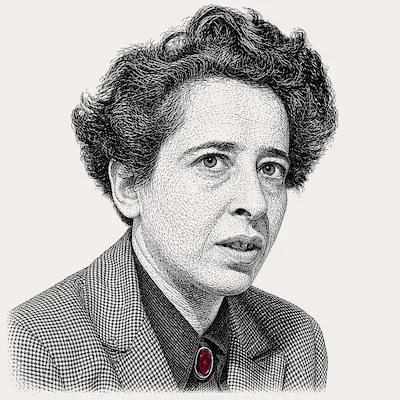
What happened in Khartoum in 2019, in Colombo in 2022, in Dhaka in 2024 looks identical each time. People acting in concert generate real power, enough to remove a ruler. But removing a ruler is not founding authority. In 1963 I compared the American and French revolutions: America succeeded because its founders turned to deliberate constitution-making, not because the crowd had spoken. Sudan's civilian council never got that deliberative moment. Bangladesh's interim government still hasn't.
Only the people assembled can found legitimate authority, not committees after them.
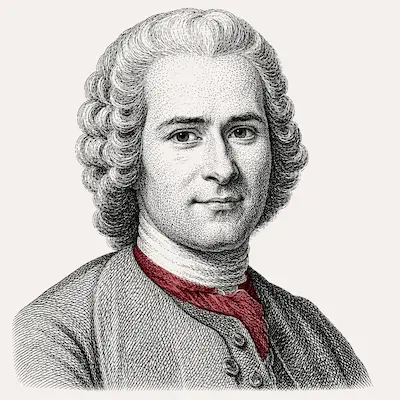
Arendt is right that founding requires deliberation, but she mistakes whose deliberation counts. The Bangladeshi students who filled Dhaka's streets in 2024 expressed something closer to a general will than any unelected technocrat can claim by decree. My worry is different: Yunus governs without consent, which is exactly the fraud I described in 1755, elites reorganising power while calling it reform. Legitimate authority cannot be borrowed from the street and then exercised by those the street never chose.
The real test comes after exit succeeds, not during it.
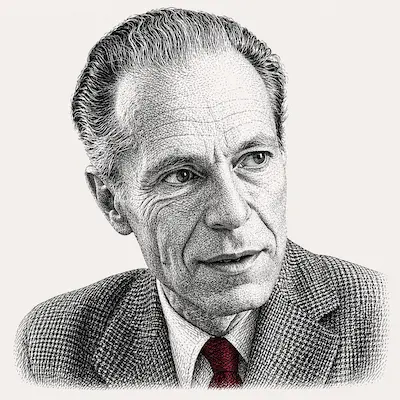
Rousseau names the fraud correctly, but every transition faces it: someone must hold the keys between regimes. My irreversibility principle applies directly here. Toppling Rajapaksa in 2022 was reversible, a street action, fast, contested, undoable. Installing Wickremesinghe through parliament was not: once an establishment figure occupies the vacated chair, reversing that choice requires another uprising. Sri Lanka's protesters generated voice but no durable exit from the old political class. The hardest decisions, the permanent ones, get made by whoever is standing in the room when the crowd disperses.
Institutions come from years of sequencing, never from the uprising itself.
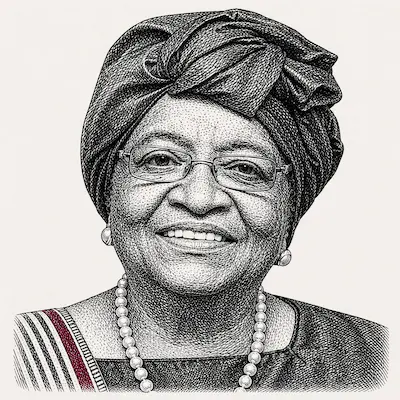
Hirschman asks the right question. In 2006 I inherited a Liberia with no functioning civil service, no electricity grid, no paid police, after fourteen years of war, not protest, but the lesson is identical. I rebuilt the revenue authority first, then the banking system, then police and courts, then the civil service, in that order, over years. Sudan's 2019 movement had none of that sequencing available to it; it got a power-sharing deal instead of institutions, and the deal collapsed into war in 2023. Removing Bashir was the easy part.
Movements without a tested plan impose their own improvisations by force.
Sirleaf sequenced because she had negotiated legitimacy and international backing behind her. Most movements have neither when they seize the moment. I came to power through a liberation movement with genuine popular support, yet by 1973 I was forcibly relocating five million people because my Ujamaa villages were failing and I had no tested institutional plan, only conviction. Bangladesh's students had conviction too. An interim government without an electoral mandate will eventually reach for the same shortcut: impose order now, explain later. I did. It failed.
The national bourgeoisie captures the state the street vacates.
Nyerere's confession proves my argument from the other direction. I documented in 1961 that newly independent states hand power to a class capable of managing the old extraction apparatus but incapable of building anything new. Watch who actually benefits when Bashir falls or Hasina flees: not the protesters in the square, but whichever faction has the administrative contacts to fill the vacuum fastest. Yunus is a technocrat, not a bourgeois capturer, which is interesting, but the pattern I predicted for Algeria rarely waits long to reassert itself.
The convergence note
Where the council converges: Removing a government and founding durable institutions are different achievements requiring different capacities. Street power is real but insufficient alone.
Where it divides: Rousseau insists the crowd's will carries its own legitimacy even without constitutional process; Arendt and Sirleaf insist deliberate, sequenced institution-building must follow and often requires elite negotiation the crowd cannot provide. Fanon and Nyerere warn that whoever fills the vacuum, technocrat or bourgeoisie, tends to betray the uprising's purpose.
For a policymaker to decide on: Whether to prioritise fast elections to restore mandate, as Rousseau would demand, or a slower sequenced reconstruction of revenue, security, and courts before voting, as Sirleaf's Liberia attempted.