The Long Council
Who was selected, and why
Can street protests build lasting institutions, or only tear down governments?
The central tension
Does destroying a bad government automatically create the conditions for a good one, or does real institution-building require something protests can't provide?
The two poles
Protest as founding act
street mobilization creates legitimacy and can found new orders
Institutions require more than rupture
durable governance needs negotiated settlement
sequencing
and patient capacity
Selected members
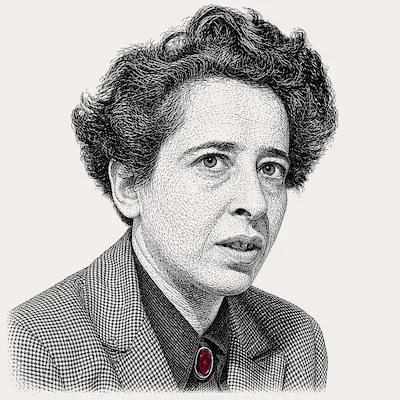
Hannah Arendt
Will argue: Street action generates power but founding durable authority requires a deliberate constitutional act, not just the collapse of the old regime.
She built the most rigorous framework for why revolutions succeed or collapse into terror depending on whether they solve the founding problem of authority.
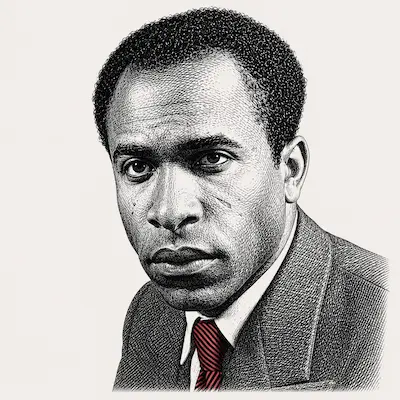
Frantz Fanon
Will argue: Removing a ruler changes nothing if the national bourgeoisie simply captures the state apparatus the protest movement leaves intact.
He documented why flag independence and regime collapse without structural transformation reproduces extraction under a new elite.
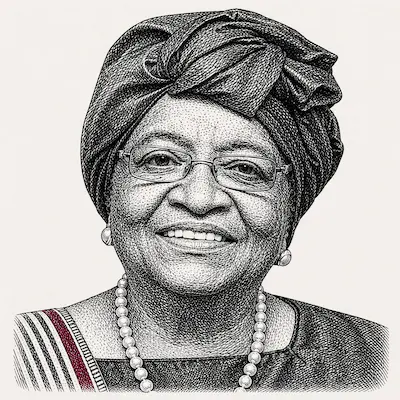
Ellen Johnson Sirleaf
Will argue: Institutions are built through years of unglamorous sequencing, external legitimacy, and patient capacity-building, not through the moment of uprising itself.
She rebuilt a functioning state from total collapse and has direct documented experience of what institution-building actually requires after a population's will has been expressed.
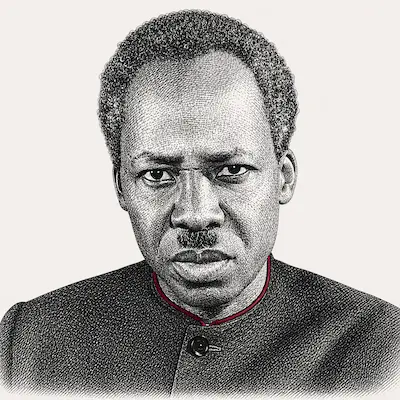
Julius Nyerere
Will argue: Movements that seize power without a tested institutional plan tend to impose their own improvisations by force, producing new failures.
He led a liberation movement into governance and documented with unusual honesty both the achievements and catastrophic failures of translating popular mobilization into lasting institutions.
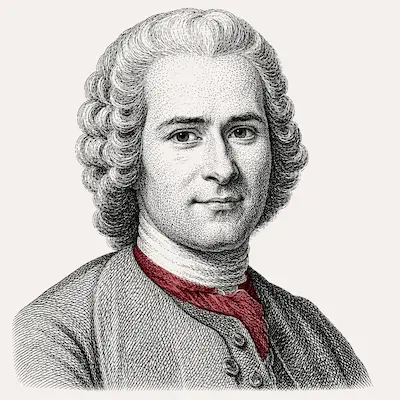
Jean-Jacques Rousseau
Will argue: Protest expresses the general will and genuine legitimacy can only be built on that foundation, not restored from above by elites.
He is the foundational theorist of popular sovereignty and the claim that legitimate authority can only come from the people acting together, directly relevant to whether protest itself can found legitimate government.
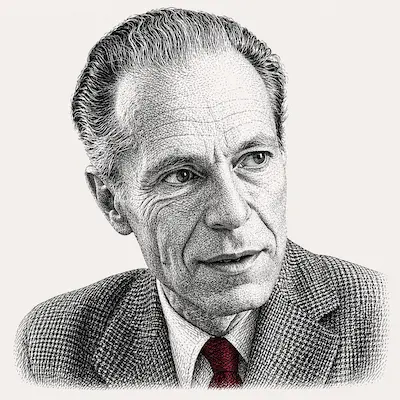
Albert O. Hirschman
Will argue: Protest is a powerful voice mechanism but the hardest work begins after exit succeeds, when irreversible institutional choices must be made under uncertainty.
His exit, voice, and loyalty framework and his irreversibility principle directly address why toppling a government is reversible in a way that building institutions is not.
Considered but not selected
Nelson Mandela: excluded because his negotiated-transition model is already well covered by Sirleaf and Arendt, and the council needs the harder failure cases (Sudan, Sri Lanka's co-optation, Bangladesh's unelected interim) more than another success story. Indira Gandhi, excluded because her Emergency case is about an elected government suspending democracy, not about protest movements building or failing to build institutions after toppling a government. Mustafa Kemal Atatürk, excluded because his transformation was elite-led and military-driven from the start, not a response to mass street protest, making him a weaker fit than Fanon or Nyerere for this specific question.