The Long Council
Who was selected, and why
How can a polarised democracy retain talented people and institutions?
The central tension
Whether democratic institutions can preserve their quality and attract talent during periods of intense political polarisation, or whether polarisation inevitably degrades institutional capacity through partisan capture and talent flight.
Selected members
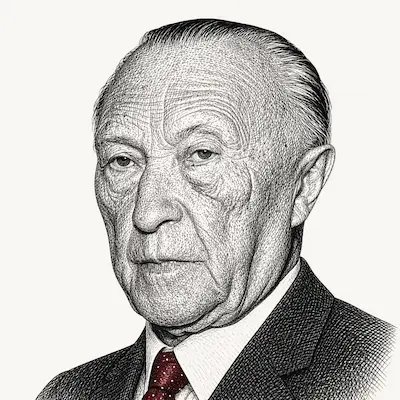
Adenauer
Will argue: Institutional design must explicitly protect key functions from partisan capture, and talented individuals serve when institutions have clear mission and protection from political interference.
Rebuilt democratic institutions in post-war Germany by deliberately depoliticising key positions and establishing cross-party institutional norms that survived intense Cold War polarisation.
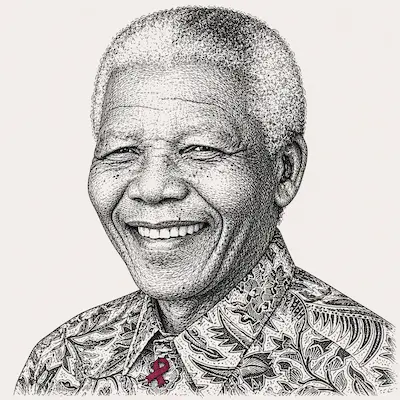
Mandela
Will argue: Inclusion of former opponents in governance structures prevents talent exodus and builds institutional legitimacy across political divides.
Managed transition from apartheid through Government of National Unity model that retained institutional talent while transforming political system, preventing talent flight during fundamental change.
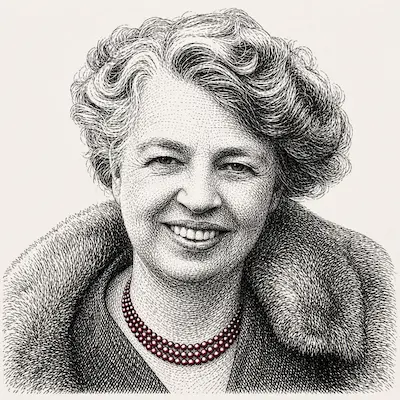
Eleanor Roosevelt
Will argue: Institutional mission beyond partisan politics attracts and retains talent; individuals serve when they can advance principles larger than party.
Navigated intense US political polarisation (1930s-1950s) while building international human rights institutions, demonstrating how talented individuals can serve public purpose despite domestic political hostility.
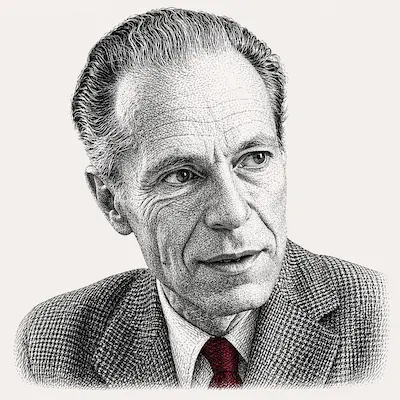
Hirschman
Will argue: Institutions retain talent when they provide meaningful voice mechanisms and when loyalty is rational; making exit too easy destroys institutional capacity.
His exit-voice-loyalty framework directly addresses when talented people leave institutions versus working to reform them; provides analytical tools for understanding talent retention under stress.
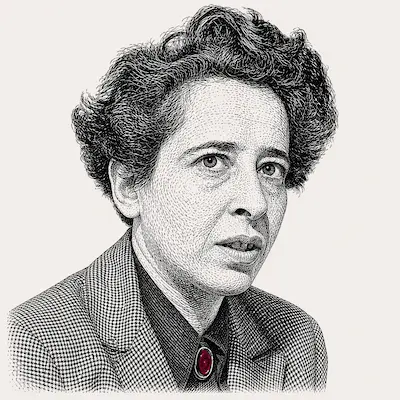
Arendt
Will argue: Institutions must preserve genuine political space for deliberation; when politics becomes pure partisanship, it repels rather than attracts capable individuals.
Her analysis of how democratic institutions erode when reduced to partisan competition rather than genuine political engagement; provides framework for institutional integrity under pressure.
Considered but not selected
LKY: Excluded because his framework explicitly rejects competitive democracy as ineffective for talent retention - Madison: Considered for federalism and checks/balances but Adenauer provides more complete institutional design experience under actual polarisation - Tocqueville: Excluded because his analysis of democratic culture, while relevant, lacks the institutional design specificity this issue requires