How can we structure Dutch democracy so that it works less divisively?
Built from documented writings, speeches, decisions and historical records. Council members argue from documented positions, applied to today's question.
Dutch democracy needs institutions that force hard decisions, but the council splits on whether centralized authority or distributed governance delivers them.
Schmidt demands decisive leadership that cuts through coalition paralysis when crises hit. Ostrom wants overlapping local authorities that channel disagreement into problem-solving rather than partisan warfare. Arendt sees institutional design as useless when citizens no longer share basic facts. Rawls seeks fair procedures that work despite deep moral disagreements.
Confucius cuts deepest: no institutional reform works when leaders lie about what they can actually deliver.
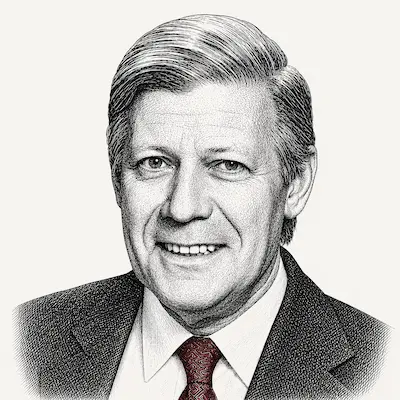
Polarisation is a luxury democracies cannot afford during genuine crises.
Ostrom is right that local solutions matter, but she underestimates what happens when communities face external pressure. In October 1977, during the German Autumn, I governed a country where the far left had turned to terrorism and the far right was gaining strength. The Schleyer kidnapping created exactly the polarised moment that destroys democratic deliberation. I refused to negotiate with the RAF and authorised the Mogadishu raid because the state's monopoly on violence is not negotiable. Democracy survives polarisation when institutions hold and leaders act decisively within constitutional limits.
The Dutch face a different crisis but the same structural challenge. Polarisation feeds on government paralysis. When coalition governments cannot make hard choices about immigration, energy, or housing, voters turn to parties that promise simple solutions. The answer is not better deliberation. It is institutional discipline that forces decisions even when consensus is impossible.
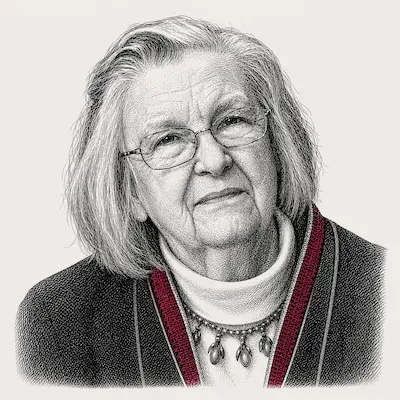
Polycentric governance channels disagreement into productive problem-solving rather than zero-sum competition.
Schmidt assumes that decisive central action is the only alternative to paralysis, but my research documents a third option. In the Valencia irrigation system, farmers with competing water claims created overlapping institutions — local water courts, regional coordination bodies, and appeal mechanisms — that have managed conflict for eight centuries. They did not eliminate disagreement. They structured it so that disagreement produces better resource management rather than system breakdown.
The Netherlands needs similar institutional redundancy. Local municipalities can experiment with housing integration while national parties debate immigration quotas. Regional energy cooperatives can build renewable capacity while The Hague argues about nuclear power. Multiple overlapping authorities create space for citizens to engage productively rather than retreating into partisan camps.
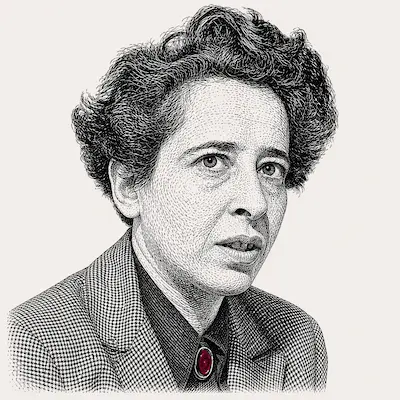
Polarisation reflects the collapse of a shared world where citizens can encounter genuine difference.
Ostrom's polycentric governance assumes that citizens still inhabit a common reality where evidence matters and compromise is possible. But what we see in the Netherlands — and across democracies — is the disintegration of the public realm itself. When citizens consume entirely different information, speak past each other in separate media ecosystems, and treat political opponents as enemies rather than fellow citizens, institutional design cannot solve the deeper problem. The conditions for democratic deliberation have been destroyed.
This is not a technical problem requiring better procedures. It is the loss of what I call "the world" — the shared space of appearance where citizens can act together despite their differences. Without this common world, democracy becomes impossible regardless of how cleverly we design institutions.

Democratic legitimacy requires principles that citizens can accept despite their deepest disagreements.
Arendt identifies the crisis correctly but offers no institutional solution. The breakdown of shared reality is precisely why we need constitutional principles that do not depend on citizens agreeing about everything. My framework of political liberalism addresses this directly: in a pluralist society, political institutions must be justified by reasons that all citizens can accept regardless of their comprehensive moral views.
The Dutch can rebuild democratic legitimacy by designing institutions around an overlapping consensus. Citizens may disagree about immigration, Islam, or European integration, but they can agree on fair procedures for making these decisions. Constitutional protections for basic liberties, fair representation in deliberative bodies, and transparency in government reasoning create legitimacy even when substantive disagreements persist.
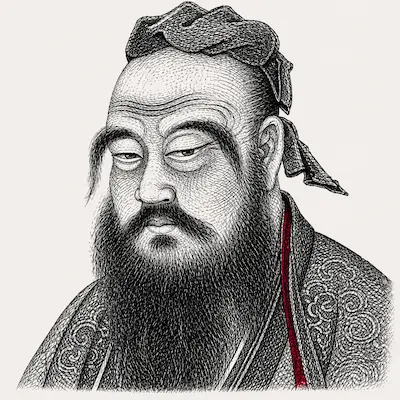
Political trust collapses when leaders say one thing and do another.
Rawls seeks procedural solutions to what is fundamentally a moral problem. The Dutch crisis is not that citizens disagree about policies — it is that they no longer trust their leaders to tell the truth. When politicians promise to control immigration but cannot, promise energy security but create dependence, promise prosperity but deliver stagnation, they destroy the foundation that makes democratic deliberation possible. No institutional design can restore authority that has been lost through deception.
The rectification of names must come first. If the government cannot control immigration, it must say so honestly rather than making promises it cannot keep. If European integration limits sovereignty, leaders must acknowledge this rather than pretending otherwise. Citizens can accept difficult truths and make hard choices, but they cannot deliberate meaningfully when political language has become disconnected from political reality.
The convergence note
Where the council converges: Democratic institutions fail when they cannot make binding decisions about genuinely difficult problems.
Where it divides: Whether the solution is stronger central authority (Schmidt), distributed governance (Ostrom), rebuilt public space (Arendt), fair procedures (Rawls), or honest leadership (Confucius).
For a policymaker to decide on: Which institutional reforms can restore democratic legitimacy without requiring a transformation of Dutch political culture.