Built from documented writings, speeches, decisions and historical records. Council members argue from documented positions, applied to today's question.
Tax wealth, not just income, but preserve the corporate rates that generate revenue.
Friedman and Hayek anchor in market success: €52 billion in corporate taxes flows from competitive rates. Palme counters with Swedish experience: equality funded the institutional trust that enabled economic adjustment. Sen reframes the core issue: when homes cost eight times median income, wealth inequality becomes capability inequality.
The split is temporal. Friedman fears destroying current prosperity through redistribution. Palme argues shared prosperity strengthens long-term competitiveness through social cohesion.
- 1Implement wealth taxes on assets while maintaining current corporate tax rates at competitive levels.
- 2Increase housing supply through relaxed planning regulations that address genuine scarcity signals.
- 3Establish direct cash transfers to replace bureaucratic welfare systems as all members support.
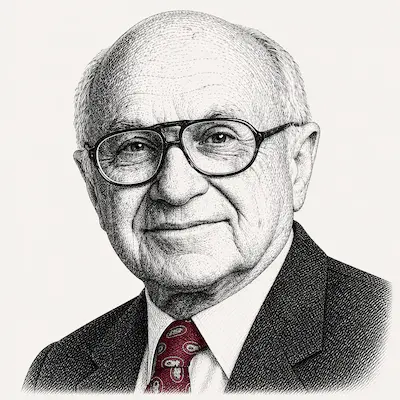
Wealth redistribution destroys the incentives that created Dutch prosperity.
The Netherlands collected €52 billion from corporate taxes precisely because it maintained competitive rates and business-friendly policies. Housing prices rose 20% in 2021 because the economy succeeded, not failed. In 1962 I argued for negative income tax over welfare bureaucracy, and the principle applies here: give direct cash transfers to the poor, but don't destroy the market mechanisms that generate the wealth to transfer. High wealth inequality reflects economic dynamism. Kill that dynamism with punitive redistribution, and you'll have equality in poverty.

Extreme wealth concentration can only be justified if it systematically benefits the worst-off.
Friedman misses the deeper question. The Netherlands faces a Gini coefficient of 0.902 for wealth while maintaining income equality. This suggests the basic structure itself channels gains upward regardless of individual effort. In 1971 I argued that inequalities must work for the least advantaged, not merely coexist with their modest gains. When median homes cost eight times median income, housing becomes a barrier to equal opportunity. The difference principle demands asking: does this wealth concentration improve the position of Dutch workers and families, or merely reward capital ownership?

Wealth matters only when it constrains what people can actually do.
Rawls frames this correctly as a question of opportunity. The Netherlands' housing crisis demonstrates how wealth inequality becomes capability inequality. When families cannot afford homes near good schools or job centers, wealth concentration limits human development regardless of income transfers. In my work on entitlements, I found that people starve not from food shortages but from inability to access food. The same logic applies here: Dutch citizens face capability poverty amid national wealth. The question is not redistributing assets but ensuring everyone can access housing, education, and economic participation.
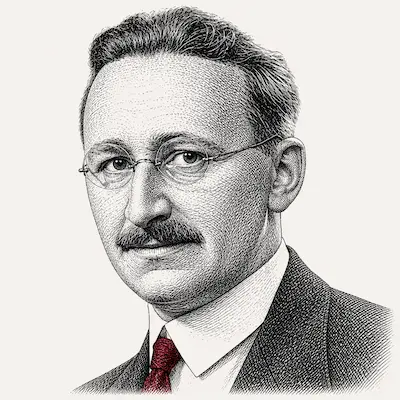
Market prices signal real scarcity; suppressing them destroys the information that guides production.
Sen confuses symptoms with causes. Dutch housing prices reflect genuine scarcity in a small, densely populated country with strict planning regulations. In 1945 I demonstrated that prices coordinate dispersed knowledge no central authority can possess. Suppressing housing prices through rent control or wealth taxes eliminates the signals that guide investment toward housing supply. The Netherlands should ask why housing supply cannot meet demand, not how to redistribute existing housing. I supported a guaranteed minimum income in 1960, but redistribution must preserve price signals that coordinate economic activity.

Equality builds the institutional trust that makes markets work better.
Hayek underestimates what institutional trust achieves. Sweden maintained both equality and efficiency through the Rehn-Meidner model: active labour market policy, solidarity wages, and universal social insurance. When I governed in the 1970s, we achieved full employment and productivity growth simultaneously because equality created the social cohesion that enabled economic adjustment. The Netherlands can reduce wealth inequality while maintaining competitiveness. High corporate taxes fund the education, infrastructure, and social stability that make businesses productive. Shared prosperity strengthens markets by building the institutional capacity for collective action.
The convergence note
Where the council converges: Direct cash transfers are superior to bureaucratic welfare systems. Market mechanisms generate essential information about preferences and scarcity.
Where it divides: Whether wealth concentration undermines the social foundations that make markets function, or whether redistribution destroys the incentives that create wealth.
For a policymaker to decide on: Should the Netherlands accept wealth inequality as the price of competitiveness, or actively redistribute through higher taxes and asset-building policies?