The Long Council
Who was selected, and why
How should the Netherlands redistribute wealth?
The central tension
Market-generated wealth concentration versus egalitarian redistribution, whether the Netherlands should accept high wealth inequality as the price of economic competitiveness or actively redistribute to reduce it.
The two poles
Market Efficiency
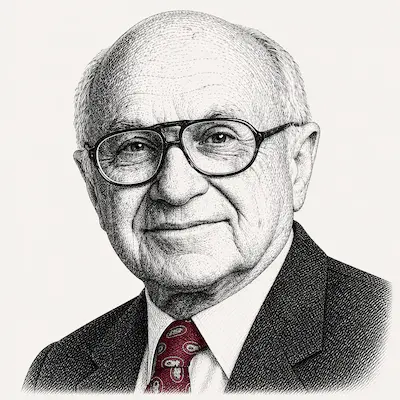 Milton Friedman
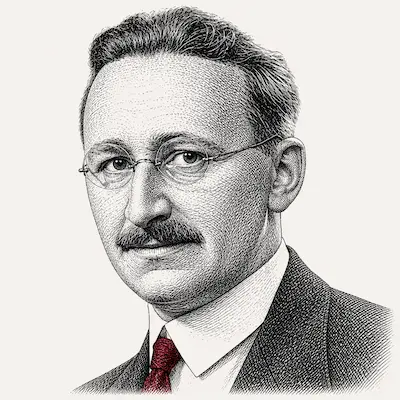 Friedrich Hayek
Redistribution
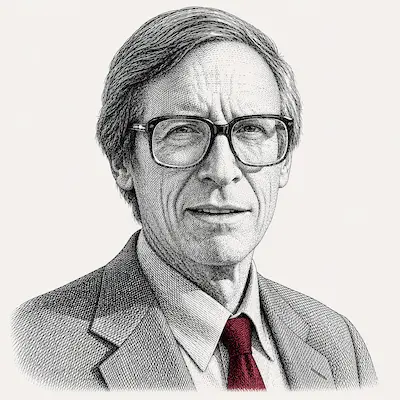 John Rawls
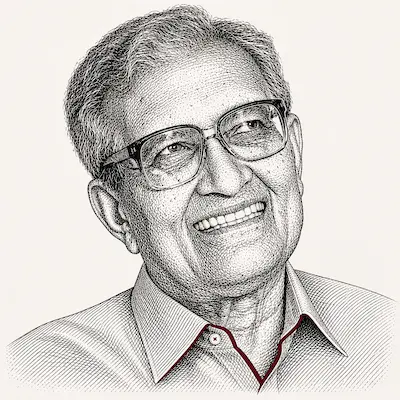 Amartya Sen
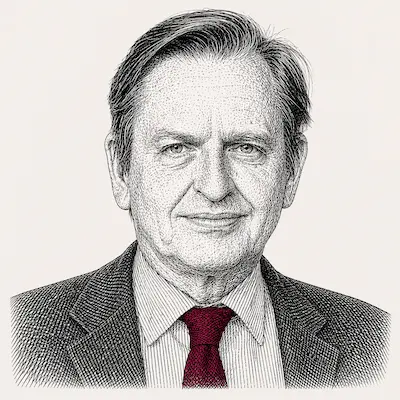 Olof Palme
Selected members
John Rawls
Will argue: Wealth concentration of this magnitude can only be justified if it systematically benefits the least advantaged; likely requires property-owning democracy rather than welfare transfers
The Netherlands' extreme wealth inequality while maintaining corporate competitiveness presents exactly the question Rawls's difference principle addresses, when are inequalities justified?
Milton Friedman
Will argue: The housing price increases reflect economic success; focus should be on opportunity and mobility rather than wealth redistribution per se
The Netherlands' corporate tax success (€52 billion revenue) while maintaining high wealth inequality reflects his framework that market-generated inequality drives overall prosperity
Amartya Sen
Will argue: Wealth inequality matters when it constrains capabilities; focus should be on ensuring housing, education, and healthcare access regardless of wealth distribution
The gap between income equality and wealth equality in the Netherlands exemplifies his capability approach, what people can actually do and be matters more than what they own
Friedrich Hayek
Will argue: The Netherlands' economic success validates market allocation; redistribution should focus on a minimum income floor rather than reducing wealth concentration
His spontaneous order framework addresses whether deliberate wealth redistribution would undermine the market processes that generate the Netherlands' economic success
Olof Palme
Will argue: The Netherlands can reduce wealth inequality while maintaining competitiveness through active labour market policy and gradual capital democratisation
The Swedish social democratic model he implemented achieved both equality and efficiency, directly challenging the assumption that wealth concentration is necessary for competitiveness
Considered but not selected
Ellen Johnson Sirleaf: Her framework addresses post-conflict reconstruction rather than wealth redistribution in stable democracies - Deng Xiaoping, His development model explicitly accepted extreme inequality as a growth strategy, opposite to the Netherlands' situation - Indira Gandhi, Her bank nationalisation was for different structural conditions than the Netherlands faces