Should economic performance influence how nations respond to conflict in Iran?
Built from documented writings, speeches, decisions and historical records. Council members argue from those positions, applied to today's question.
Iran's economic collapse under sanctions strengthens regime control while forcing dangerous adaptations that threaten global stability.
Maathai and Deng establish that economic pressure consolidates authoritarian power by creating scarcity that justifies control. Schmidt anchors this in energy geopolitics: cornered exporters weaponize supply and take military risks that stable ones avoid. Thatcher counters that Iran's 80% currency collapse and 40% inflation prove market discipline defeats political posturing.
The council splits on whether siege economies adapt or collapse. Hirschman shows Iran innovating in pharmaceuticals and drones while institutional trust erodes, proving both sides partially right.
- 1Reject escalation strategies that assume sanctions will collapse Iran's regime or force leadership change.
- 2Prepare energy security alternatives that reduce global dependence on Iranian oil and Strait of Hormuz transit.
- 3Develop engagement frameworks that acknowledge Iran's economic adaptations as permanent rather than temporary crisis responses.

Iran's sanctions create the scarcity that drives authoritarian control.
Economic pressure and environmental degradation follow the same pattern, they concentrate resources in elite hands while communities bear the costs. In Kenya under Moi, land grabbing and foreign debt created artificial scarcities that justified authoritarian rule. Iran's sanctions-induced economic crisis gives hardliners the excuse they need to tighten control over society. When basic resources become scarce, people accept restrictions they would otherwise resist. The international community must recognize that economic warfare strengthens exactly the authoritarian forces it claims to oppose.
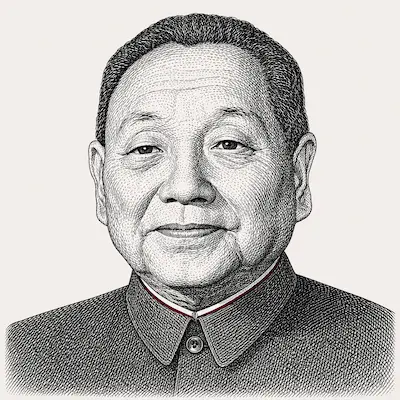
External pressure consolidates power when leaders deliver despite it.
Maathai is right that sanctions create scarcity, but she misses how capable leaders turn external pressure into internal legitimacy. In 1989 I faced Western sanctions after Tiananmen. We absorbed the pressure, maintained growth, and proved China could develop without Western approval. Iran's leaders understand this logic. Sanctions force self-reliance, justify state control, and demonstrate sovereignty to the population. The regime that survives external economic warfare emerges stronger, not weaker. America's sanctions strategy assumes Iranian leaders think like Americans. They do not.
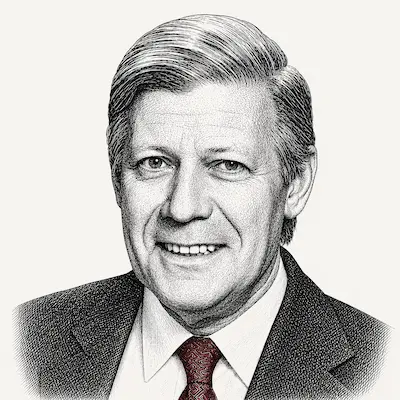
Energy exporters under pressure become security threats to everyone.
Deng underestimates what energy dependency means for global stability. In 1973 I managed Germany's first oil shock and learned that energy security is sovereignty. An isolated Iran still controls fifteen percent of global oil reserves and the Strait of Hormuz. Economic pressure on energy exporters creates desperate actors with nothing left to lose. They weaponize supply disruptions, support proxy forces, and take risks that stable exporters avoid. Iran's nuclear program accelerated under sanctions, not despite them. When you corner an energy power, you force them to develop alternatives to economic integration. Those alternatives are usually military.
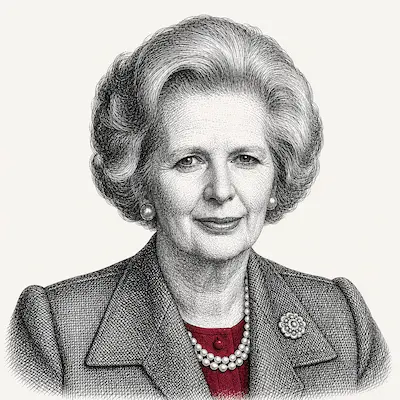
Market discipline works regardless of political systems or sovereignty claims.
Schmidt's energy security argument ignores how markets actually function. In the 1980s I privatized British energy precisely because state control made us vulnerable to political manipulation. Iran's economy is collapsing under sanctions because command economies cannot adapt to external pressure. Oil revenues cannot sustain a modern economy when technology imports are blocked and investment capital flees. The Iranian people see their currency worthless and their living standards falling while their leaders pursue nuclear weapons instead of economic reform. Economic reality eventually defeats political posturing. Markets impose discipline that politics cannot escape.
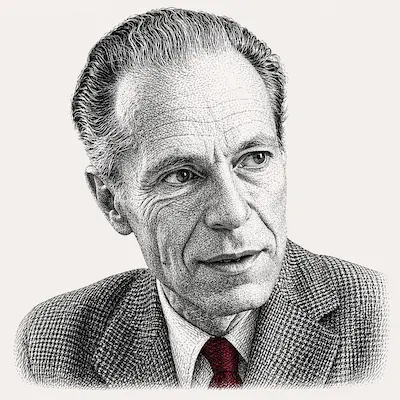
Siege conditions force innovation but destroy the institutions that sustain it.
Thatcher assumes markets operate the same way under all conditions. They do not. In my Colombia fieldwork I observed how external pressure creates what I called the "hiding hand", communities develop unexpected capacities when forced to improvise. Iran has built domestic pharmaceutical production, drone technology, and regional payment systems precisely because sanctions blocked conventional imports. But this creativity comes at enormous cost. The institutional trust that markets require, predictable rules, contract enforcement, transparent pricing, erodes under permanent emergency conditions. Innovation happens, but the broader economy fragments. Iran proves both sides right: creativity emerges, but prosperity disappears.
The convergence note
Where the council converges: Economic pressure reshapes political relationships. Sanctions create new dependencies and survival strategies.
Where it divides: Whether external economic pressure strengthens or weakens targeted regimes. Whether energy exporters follow normal economic rules.
For a policymaker to decide on: Whether to accept Iran's economic adaptation as permanent or escalate pressure toward regime change.