The Long Council
Who was selected, and why
How can we make democracy in Germany more resilient?
The central tension
Whether democratic resilience requires institutional constraints on extremist parties (potentially limiting democratic participation) or deeper civic and social measures to address underlying grievances.
Selected members
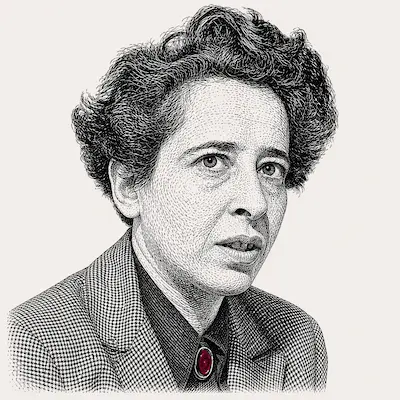
Hannah Arendt
Will argue: Democratic resilience requires rebuilding genuine political community and civic engagement, not just institutional defences
Expert on democratic erosion, totalitarian preconditions, and the conditions under which ordinary institutional cultures enable systematic harm
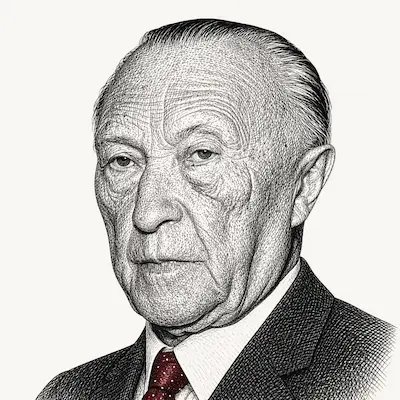
Konrad Adenauer
Will argue: Democratic resilience comes through institutional anchoring, European integration, and patient building of democratic habits rather than confrontational responses
Architect of post-war German democracy who successfully anchored democratic institutions and created resilient constitutional culture
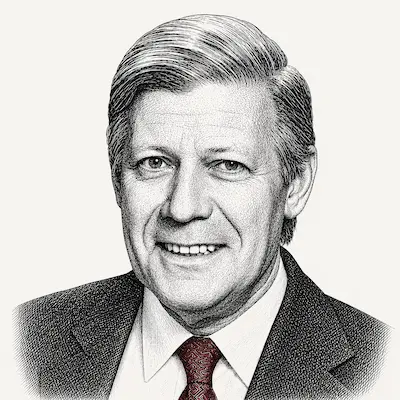
Helmut Schmidt
Will argue: Democratic resilience requires decisive action against extremist threats while maintaining constitutional limits and avoiding authoritarian overreach
Managed German democracy under pressure, including the RAF terrorism crisis and economic shocks that tested democratic institutions
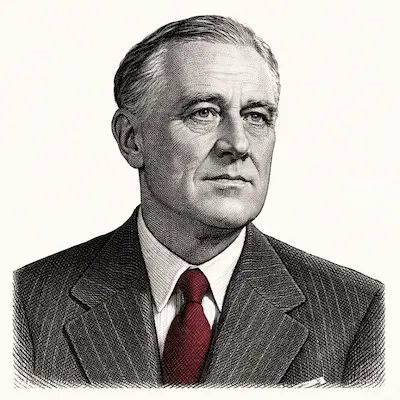
Franklin D. Roosevelt
Will argue: Economic security and visible government effectiveness are prerequisites for democratic resilience; institutional reforms may be necessary to preserve democracy
Defended democracy against both economic crisis and extremist movements, with extensive experience in coalition-building across incompatible interests
Considered but not selected
Margaret Thatcher: Her confrontational style and ideological rigidity would not provide constructive approaches to German democratic consensus-building - John Locke: His framework predates modern mass democracy and extremist party politics by centuries - Indira Gandhi: Her Emergency period makes her unsuitable for advice on democratic resilience