Can the European Union become both more democratic and more decisive at the same time, and if so, how?
Built from documented writings, speeches, decisions and historical records. Council members argue from those positions, applied to today's question.
Europe can become more democratic and decisive by building delivery capacity first in energy, defense, and fiscal policy.
Schmidt and Kautilya anchor in proven results: the 1978 European Monetary System and Mauryan administration gained legitimacy through performance, not participation. Adenauer shows how deeper integration in specific domains strengthens rather than weakens national parliaments. Mandela demonstrates that inclusion works when institutions reward cooperation with visible benefits.
Rousseau stands alone in demanding participation before effectiveness. His Geneva model cannot scale to 500 million citizens across 27 nations.
- 1Build EU capacity for coordinated energy security, defense capability, and fiscal transfers before expanding democratic procedures.
- 2Anchor European integration in specific domains that deliver visible benefits to member state populations.
- 3Give member states real stakes in shared EU success through enhanced delivery mechanisms rather than expanded consultation processes.
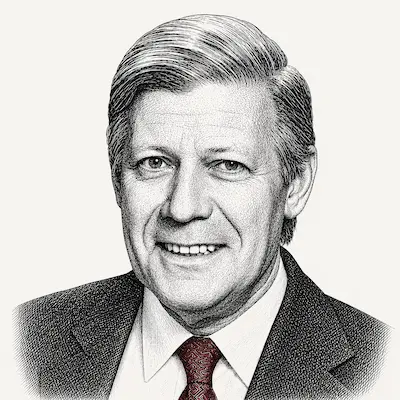
European legitimacy requires effectiveness first, democracy second.
The European Monetary System succeeded because France and Germany delivered results before asking for permission. In 1978 Giscard and I created the EMS against Bundesbank resistance and parliamentary skepticism. We coordinated exchange rates, managed the dollar crisis, and built credibility through performance. Citizens accepted constraints on national monetary policy because the system worked. The EU faces the same choice: build capacity that delivers visible improvements, or remain a debating society that satisfies no one.
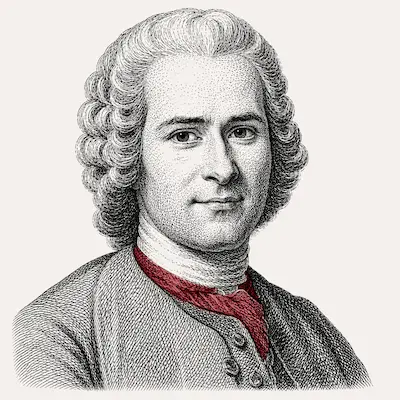
Democratic scale destroys democratic substance.
Schmidt's effectiveness-first approach mistakes management for governance. In my observations of Geneva's General Council, genuine democratic will emerged only when citizens could see how their voice affected outcomes. The EU's scale makes this structurally impossible. A farmer in Bavaria cannot meaningfully participate in decisions affecting a fisherman in Portugal. The general will requires a political community small enough for genuine participation. Europe can be effective or democratic, but not both simultaneously.
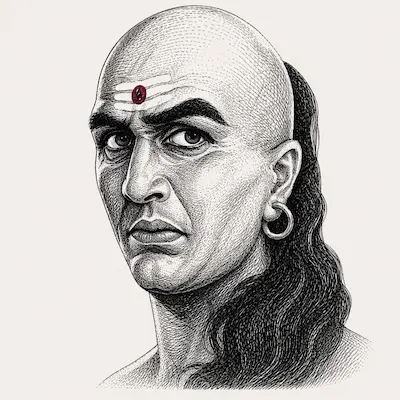
Welfare delivered builds the consent that consultation cannot create.
Rousseau confuses participation with legitimacy. When I unified the subcontinent under Chandragupta, legitimacy came from results: roads built, famines prevented, trade protected. Citizens in distant provinces accepted Mauryan authority because it improved their lives, not because they voted on tax policy. The EU's democratic deficit matters less than its delivery deficit. Build institutions that coordinate energy security, manage migration, and prevent financial contagion. Consent follows competence.
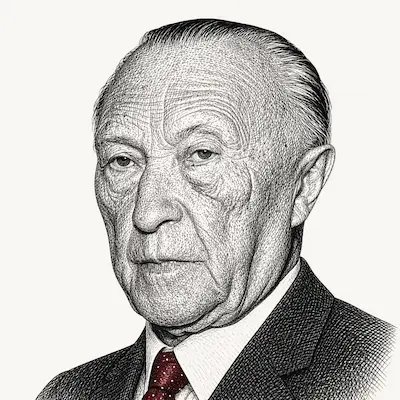
European integration makes national democracy stronger, not weaker.
Kautilya underestimates what shared institutions can achieve. The Franco-German reconciliation succeeded because we built structures that served both national interests better than competition could. In 1963 de Gaulle and I signed the Élysée Treaty not from sentiment but because integrated institutions made both countries more democratic and more sovereign. The EU needs deeper integration in specific domains: energy, defense, fiscal capacity. This enhances national parliaments by giving them more powerful tools.
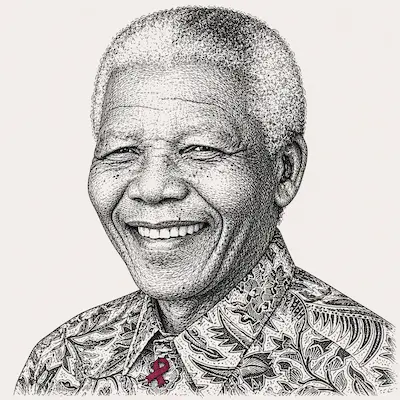
Inclusion and effectiveness reinforce each other when institutions reward cooperation.
Adenauer is right about integration, but wrong about sequence. In 1994 we included the National Party and IFP in our Government of National Unity not despite the need for quick decisions, but because of it. Excluded opponents become saboteurs. The EU's problem is not too much democracy but too little skin in the game. Give member states real stakes in shared success: energy security, defense capability, fiscal transfers. When cooperation delivers visible benefits, democratic legitimacy follows.
The convergence note
Where the council converges: Effective institutions that deliver tangible benefits create the legitimacy that procedural democracy alone cannot provide.
Where it divides: Whether democratic participation must precede institutional effectiveness (Rousseau) or follow from it (Schmidt, Kautilya, Adenauer, Mandela).
For a policymaker to decide on: Which EU reforms to prioritize first: deeper democratic procedures or enhanced delivery capacity in energy, defense, and fiscal policy.