The Long Council
Who was selected, and why
Should economic performance influence how nations respond to conflict in Iran?
The central tension
Whether economic pragmatism should override strategic principle when responding to regional conflict involving a sanctions-weakened but geopolitically significant state.
Selected members
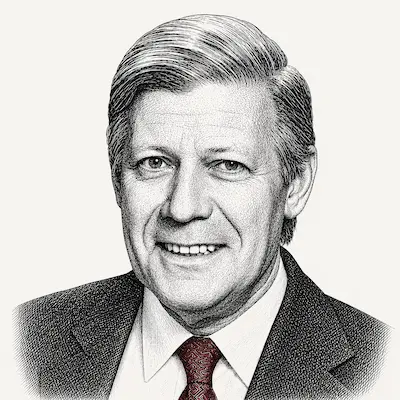
Helmut Schmidt
Will argue: Economic vulnerabilities must shape strategic responses; pure principle without resource considerations is unsustainable governance
Architect of energy security doctrine and pragmatic alliance management under resource constraint
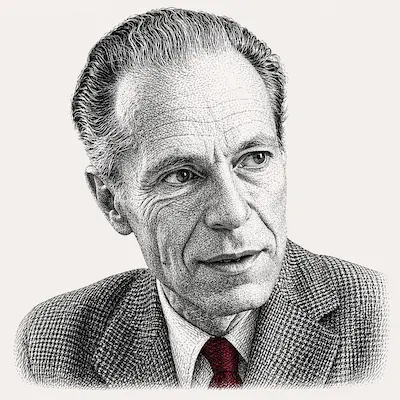
Albert O. Hirschman
Will argue: Economic responses create dependencies that may strengthen rather than weaken target states by forcing innovation and alternative partnerships
Theorist of economic interdependence as both weapon and vulnerability; expert on unintended consequences of sanctions
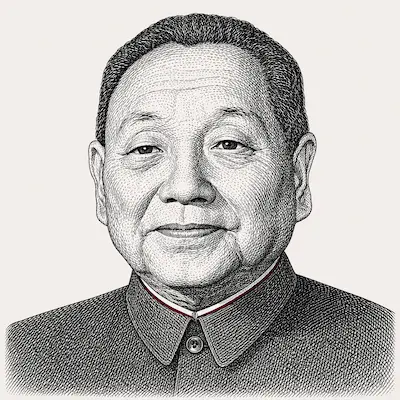
Deng Xiaoping
Will argue: Economic opportunity should not be sacrificed for symbolic positions; development through engagement serves long-term strategic interests better than isolation
Master of economic pragmatism over ideological purity; managed China's integration with hostile powers for development gains
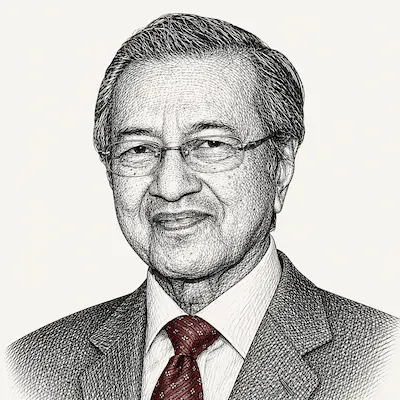
Mahathir Mohamad
Will argue: Nations have the right to prioritize their economic interests over externally imposed strategic positions; economic sovereignty requires independence from sanctions regimes
Defended monetary sovereignty against international pressure; challenged Western economic orthodoxy during financial crisis
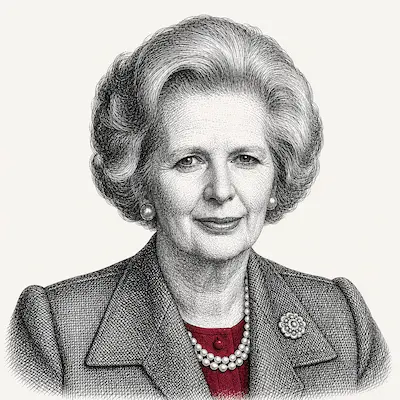
Margaret Thatcher
Will argue: Economic engagement with authoritarian regimes legitimizes them; short-term economic costs are justified to maintain long-term principles and credible deterrence
Advocate for market-driven foreign policy but also principled opposition to regimes regardless of economic cost
Considered but not selected
Franklin D. Roosevelt: His framework addresses domestic economic management during crisis, not international economic statecraft - Lee Kuan Yew, Small state survival strategy not applicable to major powers' Iran responses - Sun Tzu, His adversarial framework inappropriate for economic interdependence questions