Should Curaçao build wealth for the poor, and what benefits would that bring to society?
Built from documented writings, speeches, decisions and historical records. Council members argue from documented positions, applied to today's question.
Yes — wealth-building creates stakeholder citizens and social stability that welfare transfers cannot match.
Lee's forced savings model builds ownership stakes that make citizens defend institutions. Sen and Roosevelt demand capability-building first — healthcare, education, economic security. Rawls insists the system must work for those who cannot contribute, not just the working poor. Maathai adds that environmental restoration creates assets while rebuilding the commons everyone depends on.
The split is tactical: earned assets versus universal inclusion.
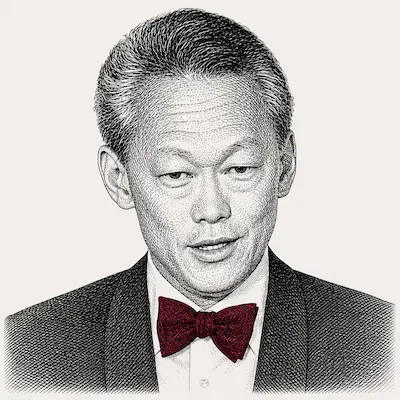
Asset-building creates ownership stakes that welfare transfers cannot match.
Curaçao should build wealth for the poor, but through assets, not handouts. In 1968 I created the Central Provident Fund as a forced savings mechanism — every worker contributes, every worker owns. We used CPF contributions to fund public housing that workers owned, not rented. By 1990, eighty percent of Singaporeans lived in homes they owned through their own contributions. This was not charity. It was a system that made every citizen a stakeholder in the country's success.
Welfare creates dependency. Asset-building creates citizens with skin in the game. A poor family that owns their home and has retirement savings will protect the institutions that secure property rights. A poor family dependent on monthly transfers will vote for whoever promises bigger transfers. Curaçao is small enough to implement such a system quickly. The benefits are political as much as economic.
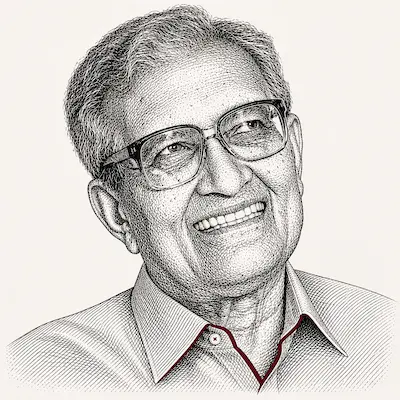
Wealth-building expands capabilities only if it reaches the freedoms people actually lack.
Lee's asset-building model works when the poor have stable incomes to contribute. But what if they lack the basic capabilities to earn those incomes? In my work on famines, I found that people starved not because food was unavailable but because they lost their entitlement to acquire it — through unemployment, illness, or economic displacement. Asset-building without capability-building is a house built on sand.
Wealth-building for the poor serves justice if it expands what people are actually able to do and be. This means not just home ownership but access to healthcare that prevents medical bankruptcy, education that enables economic mobility, and social protection during economic shocks. The benefits to society are measurable: healthier populations are more productive, educated populations innovate more, and economically secure populations participate more fully in democratic life.
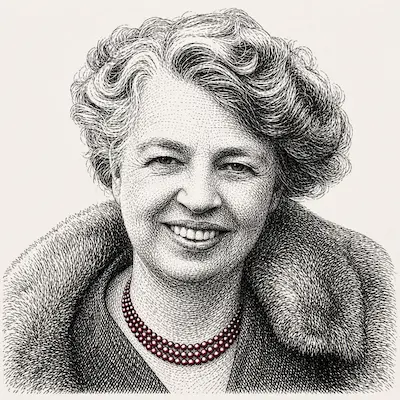
Economic rights are human rights — security enables freedom, not the reverse.
Sen identifies the right question: capabilities matter more than assets. But both miss the foundation. In drafting the Universal Declaration, I insisted that economic rights — to work, education, and social security — are as fundamental as civil liberties. Articles 22 through 27 were not afterthoughts. They were recognition that a person who cannot feed their family cannot exercise political freedom meaningfully.
Curaçao's wealth-building policies must serve human dignity, not just economic efficiency. This means universal access to the building blocks of a decent life: education, healthcare, housing, and work that pays enough to live on. When people have economic security, they participate more fully in civic life. When they lack it, democracy becomes a luxury they cannot afford. The benefits extend beyond the poor themselves to the democratic health of the entire society.
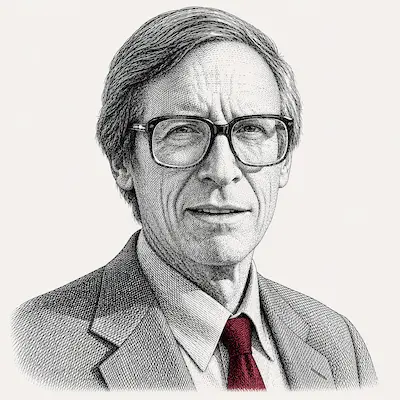
Justice requires that inequality benefit the least advantaged, not merely the hardworking poor.
Roosevelt raises the crucial question about inclusion. Wealth-building policies are only just if they improve the position of the worst-off members of society. Lee's asset-building model serves those with stable employment. But what about those who cannot work — the disabled, the elderly, the chronically ill? A property-owning democracy must include them, not leave them dependent on the goodwill of asset-owners.
The difference principle offers a test: are Curaçao's wealth-building policies arranged so that they maximally benefit those who have the least? This might require progressive asset transfers, not just earned asset accumulation. The societal benefits are profound: a just distribution of wealth reduces social conflict, strengthens democratic legitimacy, and creates the social cohesion necessary for long-term prosperity. But only if the system works for everyone, not just the deserving poor.
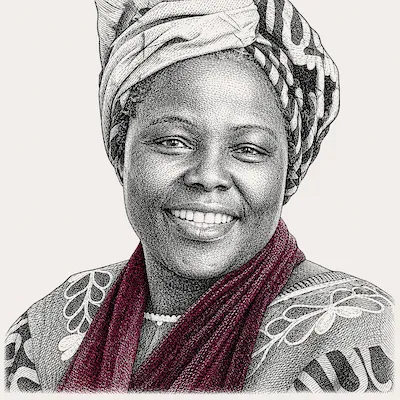
Wealth-building must restore the environmental foundations that make all other wealth possible.
Rawls asks the right question about inclusion, but misses the foundation. In Kenya, I watched rural women lose their livelihoods as forests disappeared and watersheds dried up. No amount of asset-building helps if the ecological base that sustains life is destroyed. Curaçao's wealth-building must invest in the environmental commons — coastal protection, water security, renewable energy — that make economic activity possible.
True wealth-building pays women for environmental restoration work. When the Green Belt Movement paid women to plant trees, we created assets they controlled while rebuilding the watersheds everyone depended on. The benefits cascade: environmental restoration creates employment, restored ecosystems provide flood protection and water regulation, and women's economic independence strengthens democratic participation. Wealth-building that depletes natural capital is not wealth creation — it is borrowing from the future.
The convergence note
Where the council converges: Wealth-building for the poor serves both justice and social stability better than welfare transfers alone.
Where it divides: Whether asset-building should be earned through contribution (Lee) or distributed to ensure universal inclusion (Rawls, Roosevelt).
For a policymaker to decide on: Whether Curaçao prioritizes rapid asset accumulation for the working poor or slower universal wealth-building that includes the unable-to-work.