The Long Council
Who was selected, and why
Should Curaçao build wealth for the poor, and what benefits would that bring to society?
The central tension
State-led wealth redistribution and investment versus market-based wealth creation as pathways to reducing poverty and inequality.
Selected members
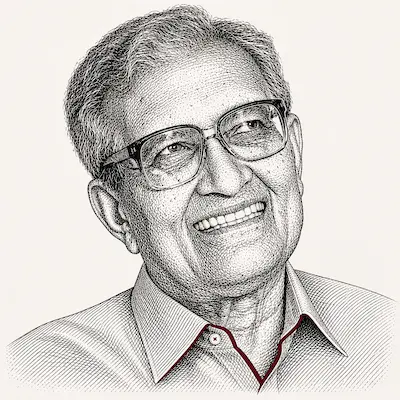
Amartya Sen
Will argue: Wealth-building for the poor is justified if it expands capabilities (health, education, political participation) and that such policies can produce efficiency gains through human capital development.
His capability approach provides the most rigorous framework for evaluating whether wealth-building for the poor enhances human development beyond income measures.
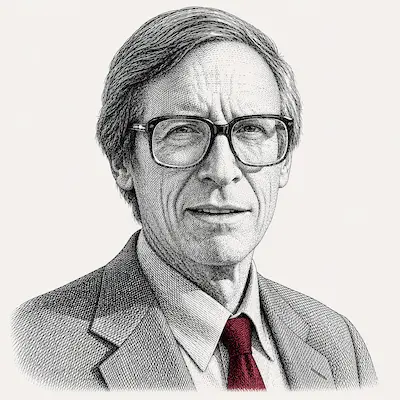
John Rawls
Will argue: Wealth-building for the poor is required by justice if alternative arrangements would leave the poor worse off, and that property-owning democracy may be superior to welfare transfers.
His difference principle provides the philosophical framework for evaluating whether wealth redistribution serves justice, inequalities are only justified if they benefit the least advantaged.
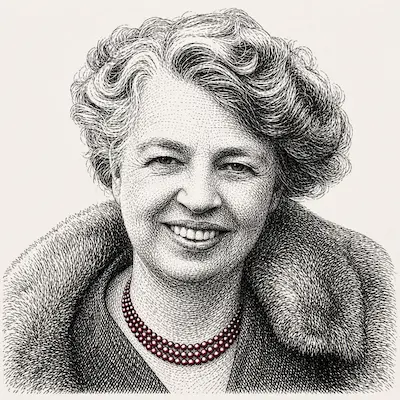
Eleanor Roosevelt
Will argue: Wealth-building addresses economic rights that are as fundamental as civil liberties and that economic security enables genuine political participation.
Her human rights framework treats economic rights (work, education, housing) as fundamental, not subsidiary to civil-political rights, directly relevant to wealth-building as rights implementation.
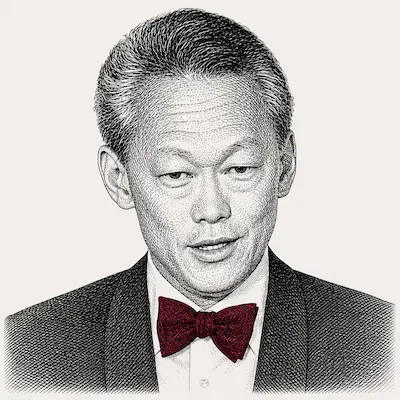
Lee Kuan Yew
Will argue: Asset-building produces better outcomes than welfare transfers because it creates ownership stakes and avoids dependency, but must be coupled with economic growth.
Singapore's Central Provident Fund and public housing model represents the most documented case of state-led asset-building for the entire population, including the poor.
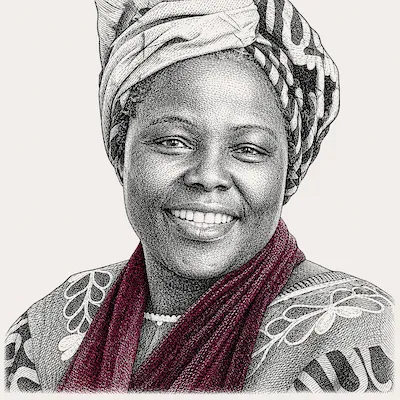
Wangari Maathai
Will argue: Wealth-building for the poor must be linked to productive work and environmental stewardship, and that women's economic empowerment produces cascading social benefits.
Her Green Belt Movement demonstrated how paying women for environmental work created both ecological and economic benefits, providing a documented model of wealth-building through productive activity.
Considered but not selected
Milton Friedman: His negative income tax proposal is relevant but his broader framework opposes state-led wealth redistribution; the capability and rights frameworks provide more complete analysis.
Helmut Schmidt: His fiscal discipline framework would focus on sustainability of wealth-building programs rather than their design or justification.
Deng Xiaoping: His development model prioritizes growth over distribution; less relevant to wealth-building for the poor specifically.