Built from documented writings, speeches, decisions and historical records. Council members argue from those positions, applied to today's question.
- 1Oxfam reports the richest 0.1%, about 8 million people, emit more carbon than the poorest 3.5 billion people combined.
- 2The global disaster preparedness and recovery market is projected to grow from $70bn to $92bn a year by 2029.
- 3Oxfam says the richest 0.1% have contributed 125 times more than the average person to extreme heat events.
- 4Oxfam says annual emissions of the richest 1% will cause 1.9m excess deaths from heat, mostly in low- and middle-income countries.
- 5Oxfam cites a 231% surge in cocoa prices after 2024 extreme weather in west Africa, with no gains for local farmers.
The council treats these as reported facts, not settled truth. The members supply the reasoning; the asker supplied the sources.
The richest emitters, not the communities hit, should pay for climate disaster recovery.
Who delivers the money is still contested, but who owes it is not.
Maathai and Prebisch trace the bill to specific mechanisms: colonial land extraction and decades of declining terms of trade for commodity exporters. Luxemburg names the scale, the top 0.1% out-emit 3.5 billion people combined, as accumulation, not accident. Friedman counters that a Kenyan farmer needs a cheque this week, not a tribunal on historical guilt. Ostrom and Hirschman both reject single fixes: funds must flow through local institutions and stay reversible as evidence comes in.
The split is delivery, not liability. Luxemburg and Prebisch want binding transfers enforced as obligation; Friedman wants cash and insurance moving by Tuesday; Ostrom and Hirschman want layered, adjustable institutions instead of one global mechanism.
- 1Codify binding payment obligations on the top 0.1% of emitters rather than relying on voluntary disaster funds.
- 2Route recovery funds through layered local, national, and international institutions, not one central fund or ministry.
- 3Fund recovery through staged, reversible commitments tied to emitters' output, reviewed as evidence shows what reaches victims.
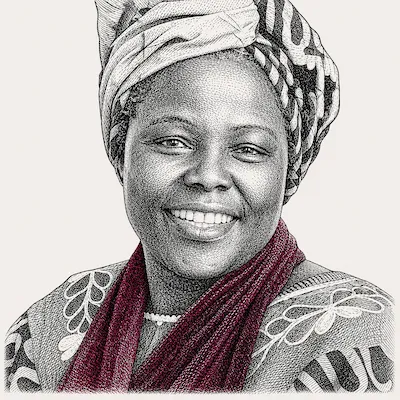
Polluters owe restitution, not just recovery funding.
In 1989 I fought President Moi's plan to build a 60-storey tower in Uhuru Park, financed by loans tied to the same elite networks that strip African land for export crops. The cocoa price surge after west African storms follows the same pattern: farmers bear the climate shock while buyers and emitters keep the margin. Recovery money that bypasses local land rights just rebuilds the extraction. The 0.1% who emit 125 times the average person's share owe direct, binding payment to the communities they're burning.
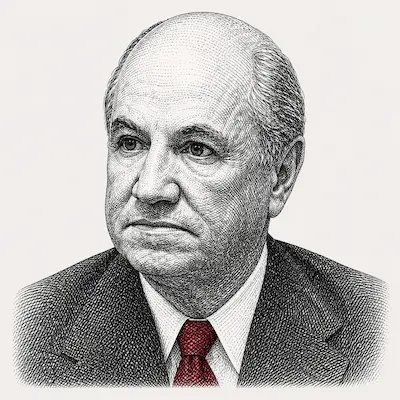
Rich importers must fund recovery; the trade system caused the damage.
Maathai is right that land control matters, but I'd add that the mechanism runs through prices, not just ownership. In 1950 I documented that commodity terms of trade deteriorate against exporters for decades. The cocoa farmers Oxfam cites didn't just lose a harvest, they lost it into a market structured to deny them the gain even in scarcity. A 231% price spike with zero farmer benefit is not a weather event. It is the predictable output of a system rich importing nations built and must now fund repair for.
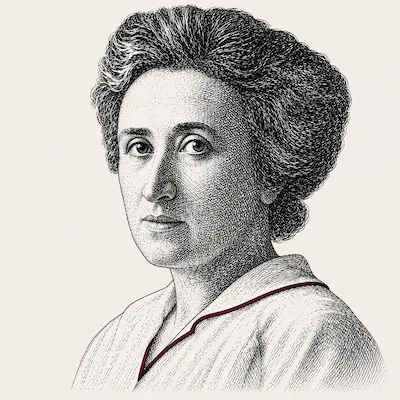
Capital extracted this wealth; capital must return it by force of law.
Prebisch names the trade mechanism, but the deeper engine is accumulation itself. I argued in 1913 that capitalism survives by continuously seizing value from non-capitalist economies, peasant land, colonial labour, now atmospheric space. The 0.1% emitting more than 3.5 billion poor people combined is not an accident of consumption choice. It is the accumulation process laid bare. Voluntary disaster funds and insurance markets will not touch this. Only binding wealth transfer, enforced as obligation rather than charity, matches the scale of what was extracted.
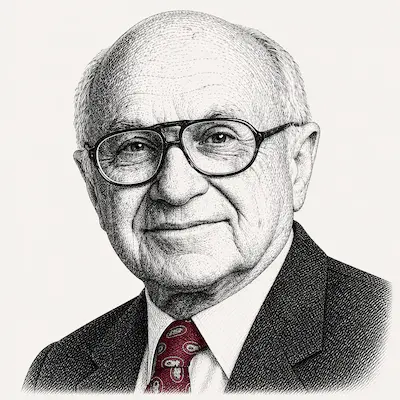
Cash and insurance reach victims faster than any wealth tribunal.
Luxemburg wants a tribunal; I want people fed by Tuesday. In the 1960s I argued that direct cash transfers outperform bureaucratic programmes because they respect what recipients actually need, not what planners imagine they need. A Kenyan farmer or a Pakistani flood victim does not need Brussels to adjudicate historical guilt. They need a cheque and a functioning insurance market that prices climate risk honestly. Rich-country governments can fund premiums and transfers directly. Building a global guilt bureaucracy will delay money that should move in days.
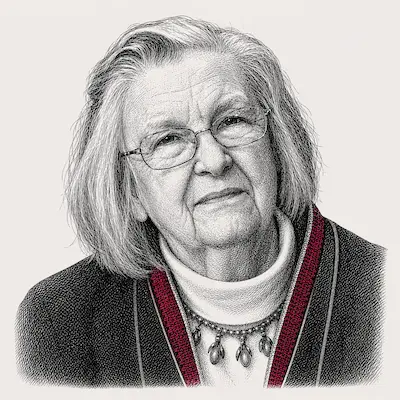
No single fund or market fixes this; nested local institutions must.
Friedman is right that speed matters, but a single insurance market or a single global fund is the wrong unit of analysis. My fieldwork on fisheries and irrigation systems showed durable institutions need monitoring and rules matched to local conditions, not one distant mechanism. Disaster money sent straight to Nairobi or Dhaka's central government often never reaches the watershed or village that needs it. Rich emitters should fund recovery, yes, but through layered institutions: local, national, and international, each accountable to the people actually facing the heat.
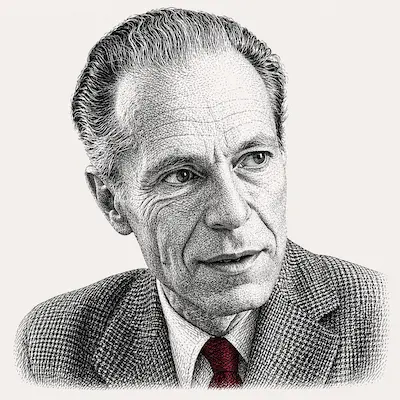
Fund recovery incrementally, with exit options, not irreversible grand schemes.
Ostrom's layering helps, but I'd press further on time. I learned from Colombia in the 1950s that planners always underestimate how hard implementation is, and large irreversible commitments make correcting course nearly impossible. A permanent global climate reparations fund, designed once and never revisited, risks becoming Luxemburg's extraction apparatus in reverse: a bureaucracy nobody can exit or fix. Fund recovery through staged, reversible commitments tied to the 0.1%'s emissions, reviewed and adjusted as we learn what actually reaches the farmer and the flood victim.
The convergence note
Where the council converges: Every member agrees the richest emitters bear primary financial responsibility, not the communities absorbing the damage. Most also agree that funding mechanisms, whatever their design, must reach local actors directly.
Where it divides: Luxemburg and Prebisch want binding structural transfers rooted in historical extraction, while Friedman wants fast cash and insurance over any tribunal. Ostrom and Hirschman split from both on mechanism, favouring layered, reversible institutions over either a global fund or pure market pricing.
For a policymaker to decide on: Choose between a binding global levy on top emitters enforced as obligation, or a decentralised mix of insurance markets and local funds reviewed incrementally. The scale of responsibility is settled; the delivery architecture is not.