The Long Council
Who was selected, and why
Will China surpass the US in economic output and technological leadership?
The central tension
The core analytical conflict is between those who see China's continued rise as structurally inevitable due to scale, state capacity, and development momentum versus those who see fundamental constraints, demographic, technological, institutional, or geopolitical, that will limit or reverse China's convergence with US power.
Selected members
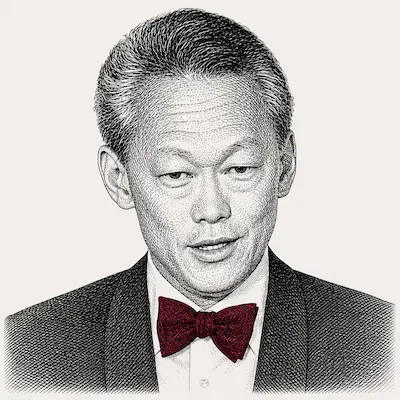
Lee Kuan Yew
Will argue: China's rise is structurally likely but not inevitable; the critical variable is whether the transition produces conflict or accommodation
Documented expert on both US-China relations and Asian development trajectories with unique perspective on how smaller states navigate great power competition
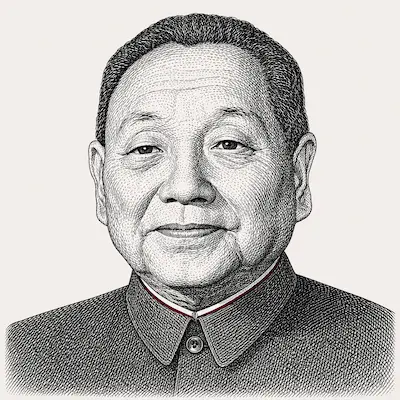
Deng Xiaoping
Will argue: China's patient development approach can achieve parity without triggering containment if managed carefully
Architect of China's development model and the strategic doctrine of "hide your strength, bide your time"
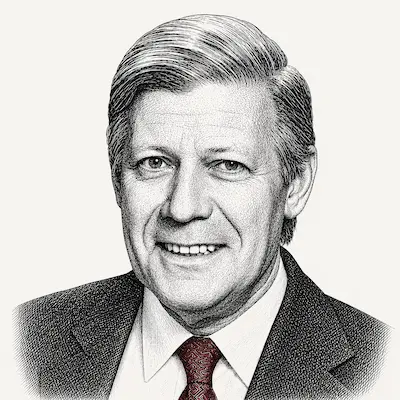
Helmut Schmidt
Will argue: The transition will create dangerous instability unless managed through institutional frameworks; economic interdependence must be preserved
Experienced leader of a middle power who navigated great power competition during Cold War; expert on energy/resource security and alliance management
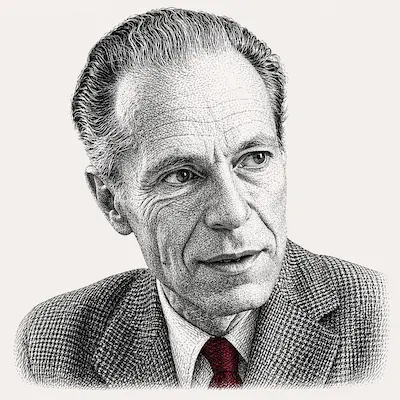
Albert Hirschman
Will argue: The key question is whether the transition allows for "voice" (institutional accommodation) or forces "exit" (decoupling/conflict)
His exit-voice framework directly applies to great power transitions and his development economics illuminate China's structural challenges
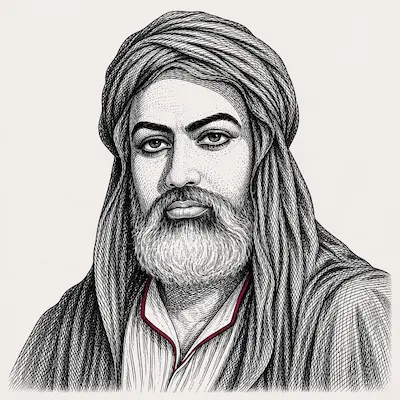
Ibn Khaldun
Will argue: Both powers face internal asabiyya (cohesion) challenges; China's demographic and prosperity challenges may limit its rise just as US internal divisions limit its response
His theory of dynastic cycles and the relationship between economic prosperity and political cohesion directly addresses great power transitions
Considered but not selected
Thatcher: Her framework is primarily about domestic economic transformation rather than great power competition - Friedman: Economic theory focus doesn't directly address the geopolitical dimensions of this transition - Sun Tzu: While relevant to strategic competition, this issue requires more focus on economic fundamentals and political sustainability than pure strategic maneuvering