The Long Council
Who was selected, and why
Should the US impose a nationwide billionaires tax?
The central tension
Whether extreme wealth concentration undermines democratic governance and economic efficiency enough to justify targeted taxation, versus whether such taxation violates property rights and damages economic dynamism.
Selected members
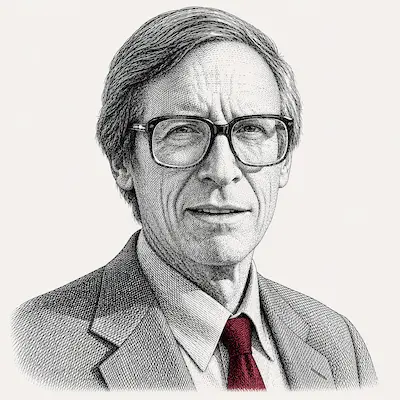
John Rawls
Will argue: Extreme wealth concentration likely violates the difference principle unless it demonstrably improves the position of the worst-off, making targeted taxation a justice requirement.
His difference principle directly addresses when inequalities are justified, only if they benefit the least advantaged members of society.
Thomas Piketty
Will argue: Billionaire-level wealth concentration represents a return to patrimonial capitalism that threatens democratic institutions and requires progressive taxation to prevent dynastic wealth accumulation.
The foremost contemporary analyst of wealth concentration dynamics and their relationship to democratic stability and economic efficiency.
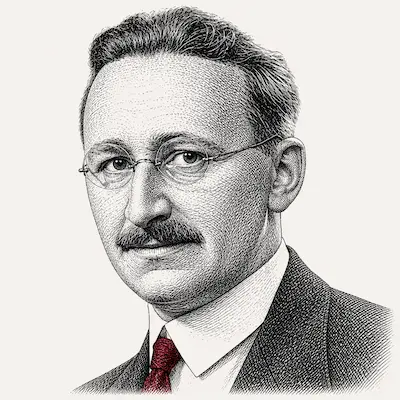
Friedrich Hayek
Will argue: Wealth taxation violates property rights, cannot distinguish between productive and unproductive wealth accumulation, and will damage the market mechanisms that allocate resources efficiently.
Provides the strongest intellectual framework for opposing wealth taxation on both economic efficiency and individual liberty grounds.
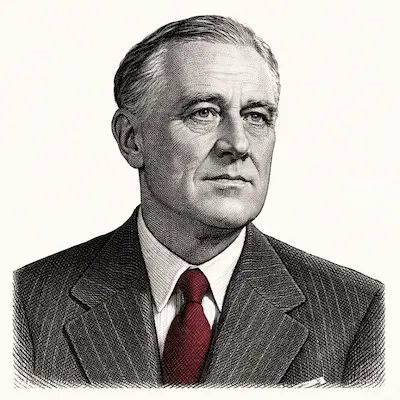
Franklin D. Roosevelt
Will argue: Democratic governance requires preventing the concentration of economic power that enables the corruption of political institutions, progressive taxation is a democratic necessity.
Implemented highly progressive taxation during his presidency and articulated the democratic case for limiting extreme wealth concentration.
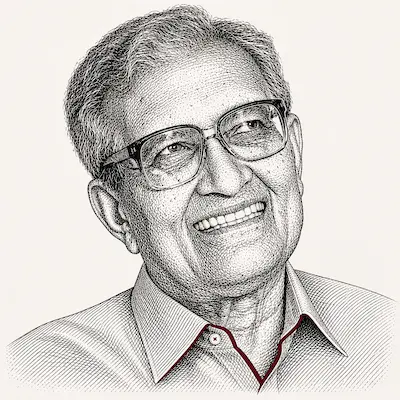
Amartya Sen
Will argue: The question is whether billionaire wealth enables or constrains the development of human capabilities broadly, if constraining, taxation is justified on capability grounds.
His capability approach provides a framework for evaluating whether extreme wealth concentration impedes human development for the majority.
Considered but not selected
Milton Friedman: Excluded because his opposition would be predictable and largely derivative of Hayek's more systematic framework for this specific question. - Margaret Thatcher: Excluded because her framework, while relevant to taxation generally, lacks the specific theoretical depth on wealth concentration that this issue requires. - Indira Gandhi: Excluded because her framework addresses developing country inequality rather than advanced economy wealth taxation specifically.