The Long Council
Who was selected, and why
How should prosperity be distributed among citizens?
The central tension
The fundamental conflict between efficiency-based distribution (rewarding productivity and market outcomes) versus equity-based distribution (ensuring basic needs and reducing inequality), with the deeper question of whether these goals are complementary or competing.
Selected members
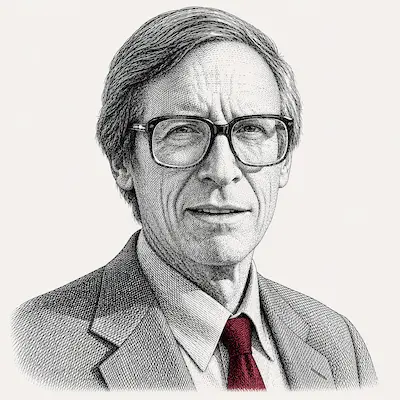
John Rawls
Will argue: For substantial redistribution based on the difference principle, with primary focus on the basic structure of society rather than specific policies
Provides the most rigorous philosophical framework for just distribution through the veil of ignorance and difference principle
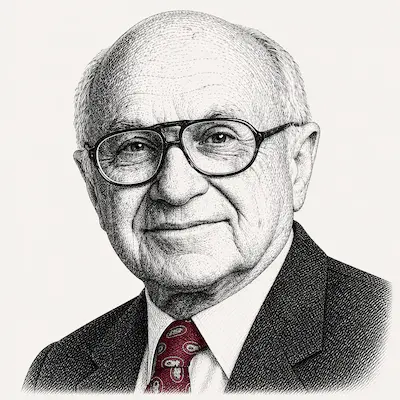
Milton Friedman
Will argue: Against redistributive policies beyond a negative income tax safety net, emphasizing that market outcomes reflect value creation
Represents the free-market position that voluntary exchange and market mechanisms produce the most beneficial distribution
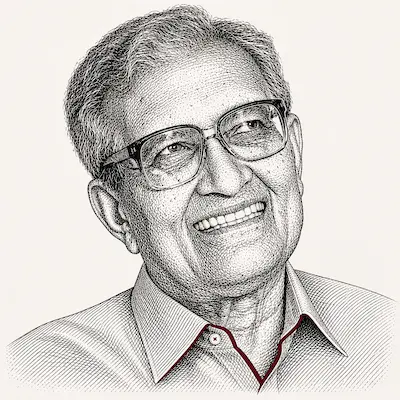
Amartya Sen
Will argue: For distribution based on capability enhancement, with particular attention to education, healthcare, and basic freedoms
Offers the capability approach as an alternative to both pure market outcomes and simple equality of outcomes
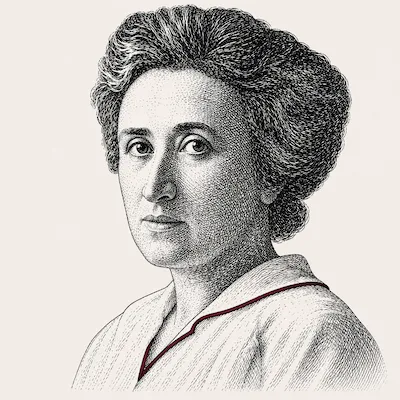
Rosa Luxemburg
Will argue: That meaningful redistribution requires transformation of ownership structures, not just transfer mechanisms
Provides the structural critique that distribution questions cannot be resolved within capitalist property relations
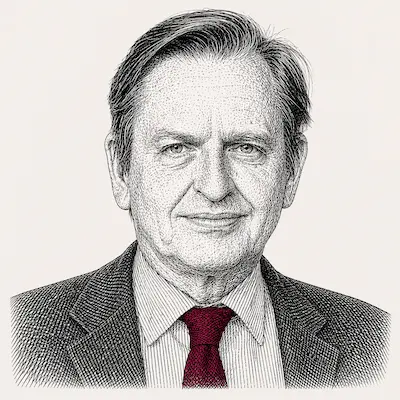
Olof Palme
Will argue: That equality builds the institutional trust and human capital that make economies more productive, not less
Demonstrates the Nordic model where equality and efficiency are treated as mutually reinforcing through institutional design
Considered but not selected
Franklin D. Roosevelt: His New Deal framework is relevant but less systematic on distribution theory than the selected members - Margaret Thatcher: Her anti-redistribution position is already represented more rigorously by Friedman - Lee Kuan Yew: His development-first framework addresses growth rather than distribution as the primary question