The Long Council
Who was selected, and why
Which tax policy supports a welfare state while protecting growth and innovation?
The central tension
The core analytical conflict is between progressive taxation sufficient to fund comprehensive welfare states versus maintaining the economic incentives and capital formation necessary for growth and innovation.
Selected members
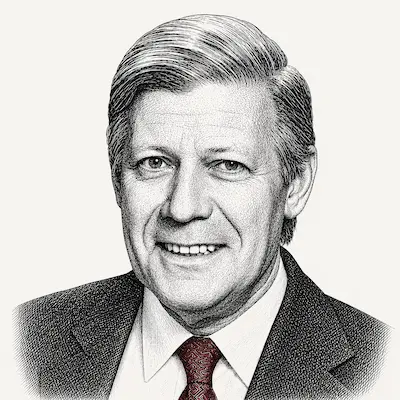
Helmut Schmidt
Will argue: Fiscal discipline enables higher sustainable tax rates; strategic state investment in technology and infrastructure complements rather than competes with private innovation.
Governed West Germany's successful social market economy with high taxes funding welfare while maintaining industrial competitiveness and innovation.
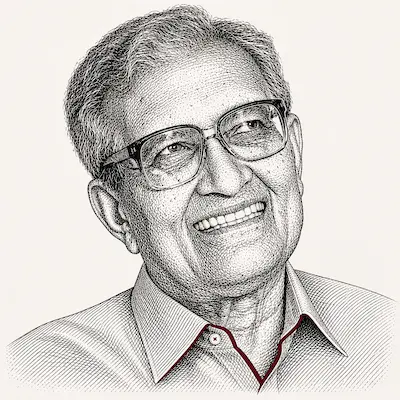
Amartya Sen
Will argue: Universal healthcare and education are productive investments that enhance innovation capacity; equality of opportunity requires substantial public investment in human development.
His capability approach provides the intellectual framework for why comprehensive welfare states enhance rather than diminish economic performance by developing human capabilities.
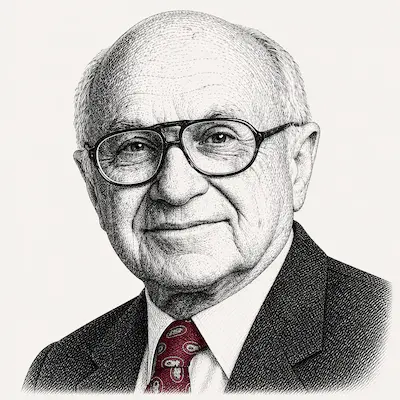
Milton Friedman
Will argue: High marginal tax rates destroy incentives for entrepreneurship and investment; targeted cash transfers are more efficient than comprehensive welfare bureaucracies.
Represents the strongest intellectual case against high taxation, arguing it distorts incentives and reduces the private investment essential for innovation and growth.
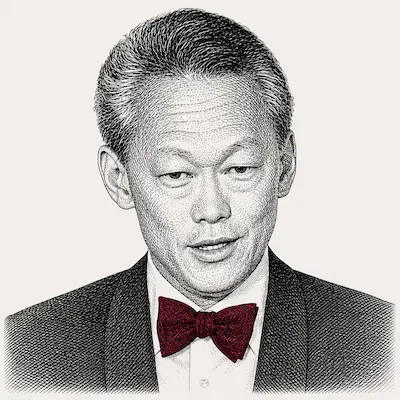
Lee Kuan Yew
Will argue: Asset-building through individual accounts is superior to redistributive taxation; targeted intervention outperforms universal welfare.
Singapore's model demonstrates low taxes with targeted social provision through forced savings (CPF), achieving both growth and social security without traditional welfare state taxation.
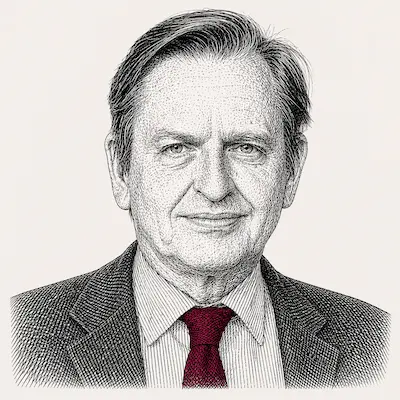
Olof Palme
Will argue: High taxes building institutional trust and human capital produce superior innovation environments; equality and efficiency are mutually reinforcing rather than competitive.
Architect of the Nordic model demonstrating how high taxation can fund universal welfare while achieving exceptional innovation and competitiveness through active labour market policies.
Considered but not selected
John Maynard Keynes: His framework addresses aggregate demand management rather than the specific tax-welfare-innovation nexus - Margaret Thatcher: While she addressed tax policy, her framework explicitly rejected rather than designed welfare states - Franklin D. Roosevelt: His New Deal experience precedes the modern innovation economy and high-tech sectoral considerations