The Long Council
Who was selected, and why
Does a wealth tax work in the Netherlands, or does it lead to the exit of capital?
The central tension
The trade-off between generating revenue from wealth concentration versus the risk of capital and wealthy individuals relocating to avoid the tax.
Selected members
Thomas Piketty
Will argue: Wealth taxes require international coordination to prevent exit; unilateral implementation invites capital flight but coordinated implementation could work.
The leading contemporary analyst of wealth inequality and wealth taxation, with documented analysis of why wealth taxes failed in Europe and how they could be redesigned.
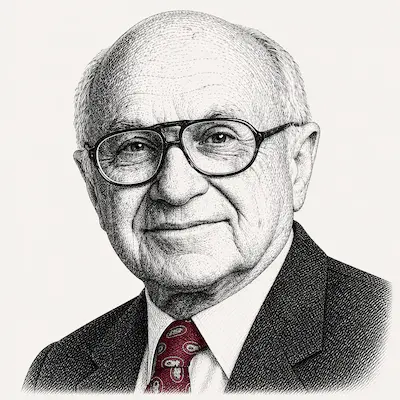
Milton Friedman
Will argue: Wealth taxes are inherently self-defeating because capital is mobile; they reduce investment, distort allocation, and generate less revenue than predicted.
The most systematic critic of wealth taxes on both efficiency and practical grounds, with documented positions on capital mobility.
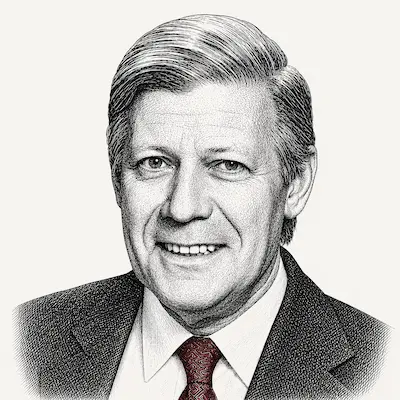
Helmut Schmidt
Will argue: Wealth taxes undermine fiscal credibility and sovereignty; they force governments to choose between revenue and capital retention.
Governed during the period when European wealth taxes were being tested and abandoned, with documented experience of capital flight pressures.
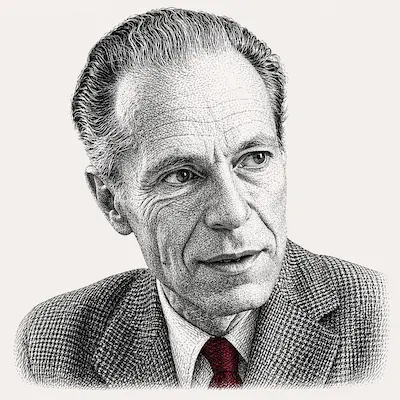
Albert Hirschman
Will argue: Making exit too easy (through tax havens) suppresses voice (political engagement with taxation); the design question is how to make wealthy exit costly enough to encourage voice.
His exit/voice framework directly applies to wealth tax policy, when do wealthy individuals exit versus accept taxation?
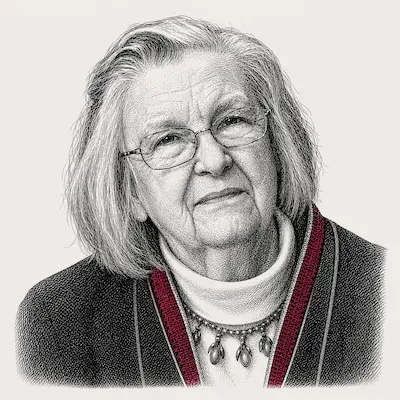
Elinor Ostrom
Will argue: Unilateral wealth taxes face collective action problems; success requires institutional design for international cooperation, which is possible but difficult.
Her framework on collective action problems applies to international tax coordination, why don't countries cooperate to prevent tax competition?
Considered but not selected
John Rawls: His difference principle supports wealth taxation in theory, but he lacks documented analysis of implementation challenges and capital mobility - Margaret Thatcher: Would oppose wealth taxes but her framework overlaps significantly with Friedman's without adding distinct analytical value - Lee Kuan Yew: Has documented positions on attracting foreign capital but limited specific analysis of wealth tax policy