The Long Council
Who was selected, and why
Should the UK join the European Union again, and if so, how?
The central tension
The conflict between economic integration benefits and national democratic sovereignty, complicated by the specific precedent of Brexit and the political legitimacy requirements for reversal.
Selected members
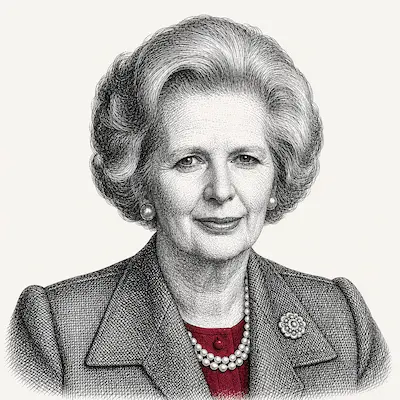
Margaret Thatcher
Will argue: EU membership threatens parliamentary sovereignty; single market benefits can be obtained without political union
Architect of British Euroscepticism through the Bruges Speech and documented opponent of European federalism while supporting the single market
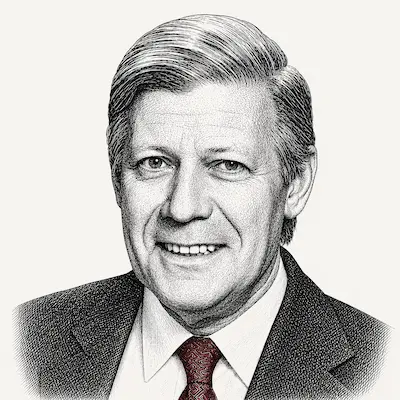
Helmut Schmidt
Will argue: European integration is essential for managing great power competition; Britain's geopolitical position requires European anchoring
Co-architect of European Monetary System and advocate for European integration as geopolitical necessity, with documented understanding of British concerns
Charles de Gaulle
Will argue: Britain's Atlantic orientation makes it structurally unsuited for European integration; better as partner than member
Twice vetoed British EEC membership and theorized Europe of sovereign nations vs European federalism
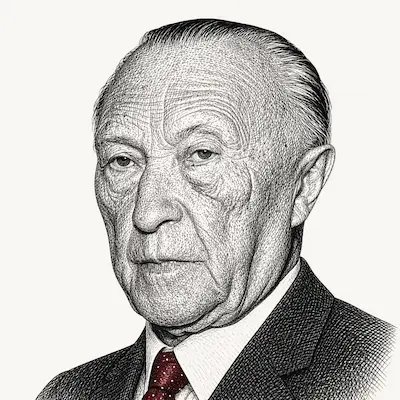
Konrad Adenauer
Will argue: Rejoining requires acknowledging that pooled sovereignty in European institutions strengthens rather than weakens national capacity
Founding father of European integration who understood reconciliation and institutional design for formerly adversarial relationships
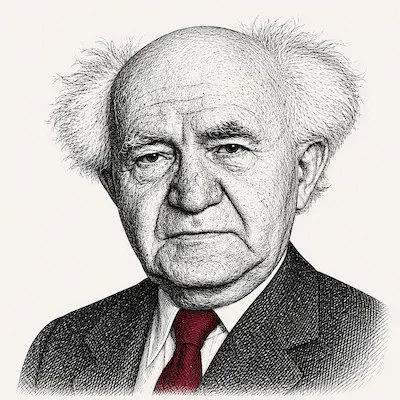
David Ben-Gurion
Will argue: British survival requires making itself useful to multiple power centers; EU membership provides options that isolation forecloses
Provides framework for small/medium state survival through pragmatic alliance-building regardless of ideological purity
Considered but not selected
John Maynard Keynes: Bretton Woods experience relevant but his European integration record is thin and predates the EU framework - Franklin D. Roosevelt, Coalition-building expertise valuable but insufficient direct experience with European integration questions - Lee Kuan Yew, Small state strategy insights but his city-state framework doesn't translate to medium-power European context