The Long Council
Who was selected, and why
Should the EU be further expanded with other nations?
The central tension
The tension between the benefits of deeper European integration versus the risks of expansion without adequate institutional reform and absorption capacity.
Selected members
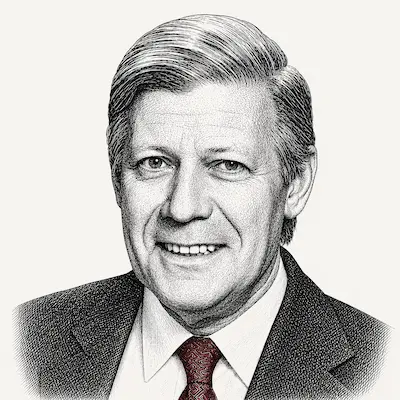
Helmut Schmidt
Will argue: Institutions must deepen before they widen; wider but shallower Europe serves neither European nor candidate country interests.
Architect of European monetary integration with documented positions on institutional deepening before widening.
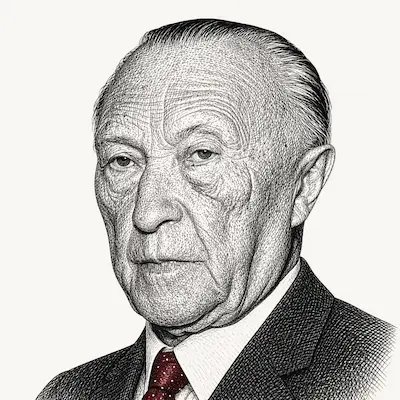
Konrad Adenauer
Will argue: European integration creates stability through institutional anchoring; expansion can strengthen this if properly managed.
Founding father of European integration with documented framework for anchoring states to Western institutional structures.
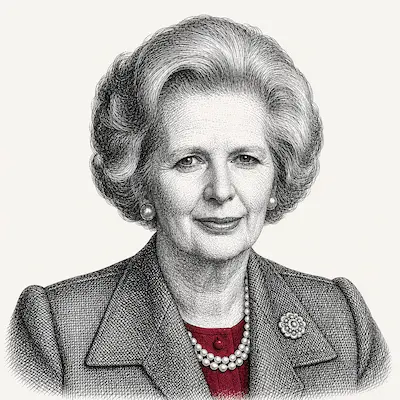
Margaret Thatcher
Will argue: Europe of independent nations cooperating freely; expansion acceptable if it doesn't accelerate federalism.
Documented positions on sovereignty, subsidiarity, and the limits of European political union.
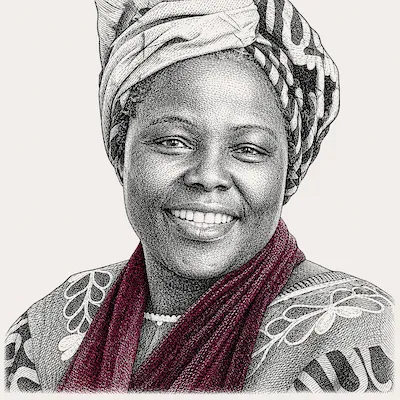
Wangari Maathai
Will argue: Expansion must ensure candidate countries have genuine democratic capacity, not just formal democratic procedures.
Framework on democratic accountability as precondition for effective governance and resource management.
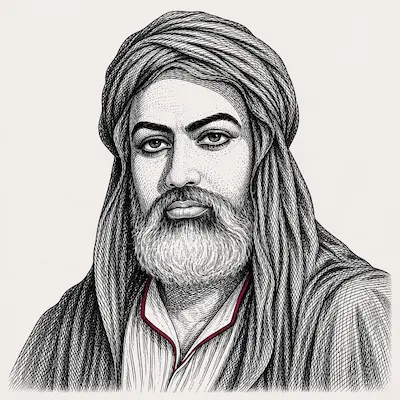
Ibn Khaldun
Will argue: Rapid expansion beyond institutional absorption capacity weakens the cohesion that made the union effective.
Theory of institutional decay and the relationship between expansion and internal cohesion.
Considered but not selected
Jean-Jacques Rousseau: His general will framework doesn't address multi-national federation questions effectively - David Ben-Gurion: His framework is specific to existential security threats, not relevant to EU expansion context - Franklin D. Roosevelt: International institution building experience but lacks specific European integration analytical framework