The Long Council
Who was selected, and why
Should Nigeria obtain a strategic Bitcoin reserve?
The central tension
Whether Bitcoin represents monetary sovereignty and inflation hedging for an emerging economy versus the risks of extreme volatility and regulatory uncertainty for a developing nation's fiscal stability.
Selected members
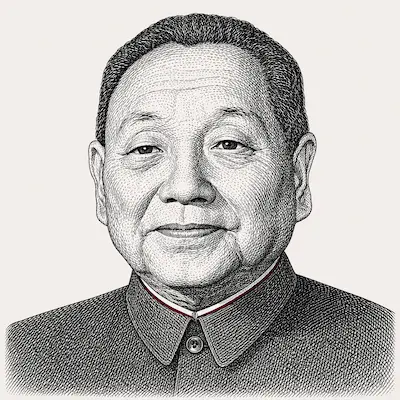
Deng Xiaoping
Will argue: For cautious experimentation, start with a small pilot allocation to study Bitcoin's behavior in Nigeria's economic context before scaling.
Architect of China's economic opening who pioneered experimental approaches to integrating new economic instruments while maintaining state control.
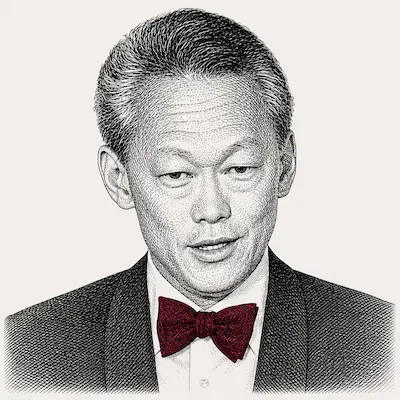
Lee Kuan Yew
Will argue: Against Bitcoin reserves, too volatile and unproven for a developing economy that needs reliable fiscal foundations for development priorities.
Built Singapore's financial sovereignty through strategic diversification while managing small-state vulnerabilities to external monetary shocks.
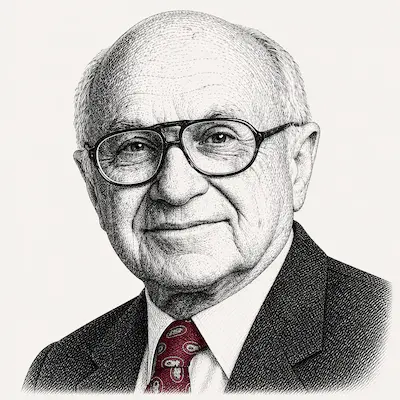
Milton Friedman
Will argue: For Bitcoin reserves as a market-based hedge against monetary debasement and a step toward genuine monetary sovereignty.
The foremost theorist of monetary policy and advocate for market-based solutions to monetary sovereignty challenges.
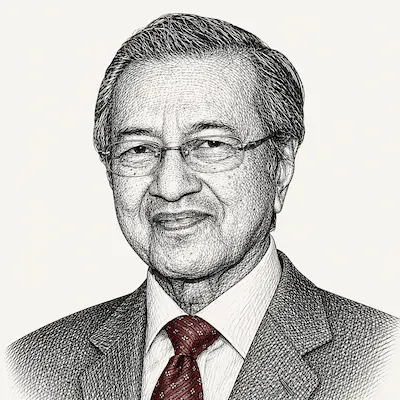
Mahathir Mohamad
Will argue: For Bitcoin reserves as a tool of monetary independence from Western financial institutions and dollar hegemony.
Defender of developing country monetary sovereignty who rejected IMF orthodoxy and implemented capital controls during the Asian financial crisis.
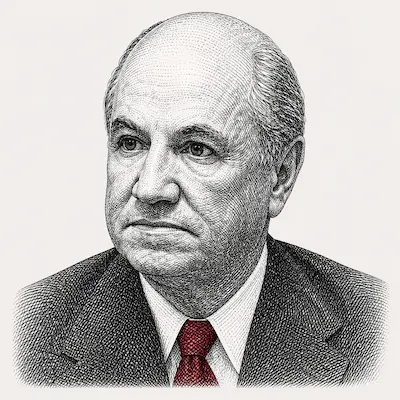
Raúl Prebisch
Will argue: For Bitcoin reserves as part of a broader strategy to reduce dependence on the dollar-dominated international financial system.
Theorist of developing country structural disadvantages in the global financial system and advocate for alternative international economic arrangements.
Considered but not selected
Helmut Schmidt: His energy security expertise is relevant to resource-backed monetary policy, but Nigeria's challenge is financial diversification, not energy security specifically. - Ibn Khaldun, His taxation theory is applicable, but the Bitcoin question is primarily about monetary assets rather than fiscal extraction. - John Maynard Keynes, His Bancor proposal is relevant to international monetary reform, but his framework predates the technological possibilities Bitcoin represents.