The Long Council
Who was selected, and why
Should countries aim to build and control their own AI datacenters?
The central tension
National sovereignty and technological independence versus economic efficiency and global integration.
Selected members
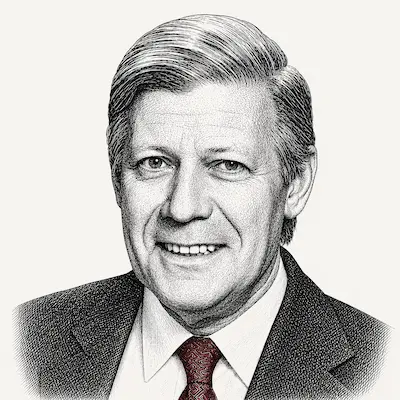
Helmut Schmidt
Will argue: AI infrastructure is the new energy, dependence on foreign providers creates unacceptable strategic vulnerabilities
His energy security doctrine ("energy dependence is not an energy question but a sovereignty question") directly applies to digital infrastructure dependencies
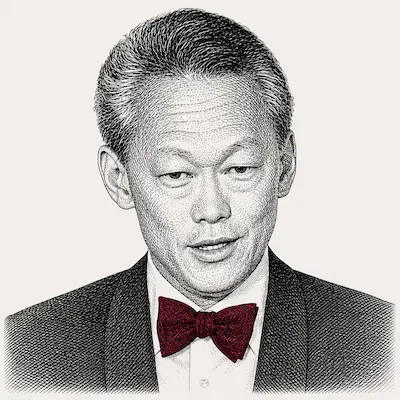
Lee Kuan Yew
Will argue: Countries must balance domestic capability with selective foreign partnerships, avoiding total dependence while leveraging global resources
His framework for small state survival through making oneself "useful" while maintaining strategic autonomy
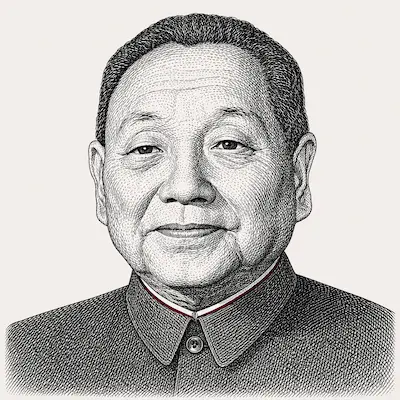
Deng Xiaoping
Will argue: Build domestic capacity gradually while engaging foreign providers strategically, technology sovereignty requires patience and phased development
His model of selective technology absorption while maintaining domestic control over strategic sectors
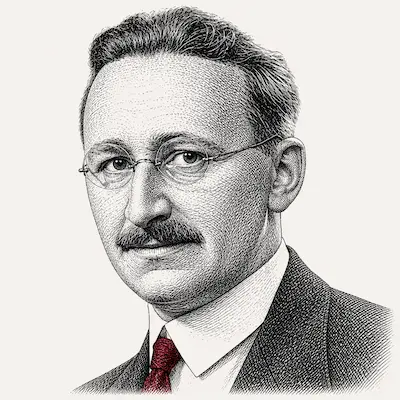
Friedrich Hayek
Will argue: National AI datacenters represent the pretense of knowledge, markets allocate computational resources more efficiently than national planning
His knowledge problem framework applies to the impossibility of central planning of complex technological systems
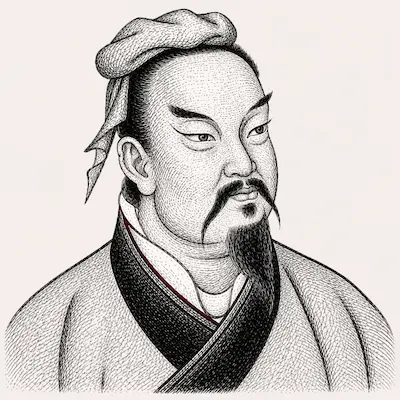
Sun Tzu
Will argue: AI capability is decisive strategic advantage, must control core infrastructure while denying adversaries insight into domestic capabilities
His intelligence and strategic positioning framework addresses information warfare and technological competition
Considered but not selected
Kautilya: His framework on state capacity and infrastructure investment is relevant but lacks specific technological insight compared to the modern practitioners selected - Elinor Ostrom: Digital commons governance would be valuable but the question focuses on state-level infrastructure strategy rather than collective action problems - Milton Friedman: Free market arguments would parallel Hayek but with less analytical depth on the knowledge problem specific to AI infrastructure