The Long Council
Who was selected, and why
Should the Netherlands allow the American company Kyndryl to acquire Solvinity, given concerns about digital sovereignty?
The central tension
The core analytical conflict is between economic efficiency through market-based acquisition versus strategic autonomy through protection of critical digital infrastructure capacity.
Selected members
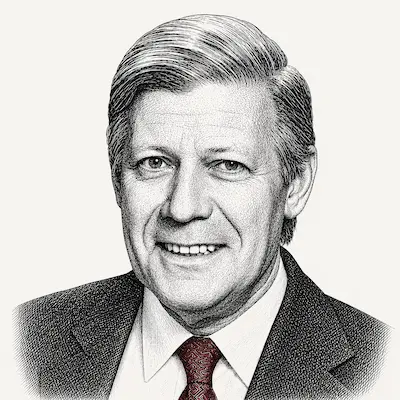
Helmut Schmidt
Will argue: Critical digital infrastructure requires the same sovereignty protections as energy infrastructure; dependencies create vulnerabilities that compound over time.
His framework of energy and resource security as sovereign imperatives directly applies to digital infrastructure dependencies.
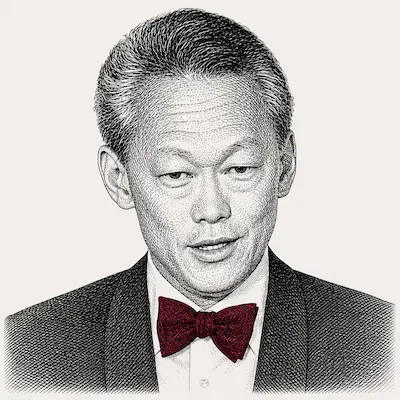
Lee Kuan Yew
Will argue: Small states must control critical digital infrastructure; market access can be maintained without surrendering strategic control.
Singapore's strategy of making itself indispensable while maintaining strategic options applies directly to small state digital sovereignty.
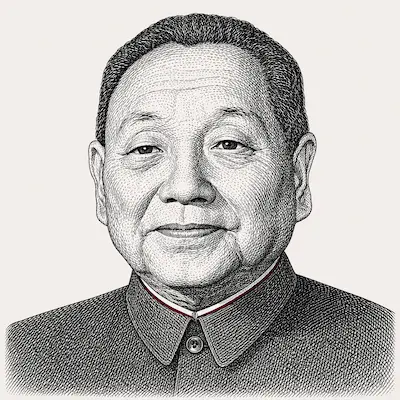
Deng Xiaoping
Will argue: Foreign investment should be permitted only when it builds domestic capacity rather than creating dependency.
His model of selective opening, importing technology while maintaining strategic control, is directly applicable to digital acquisition questions.
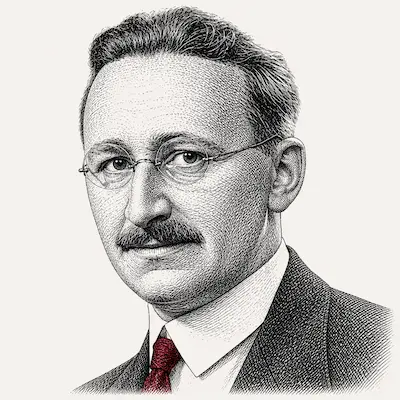
Friedrich Hayek
Will argue: Government intervention in market-driven acquisitions destroys the price signals that allocate resources efficiently; sovereignty concerns are economically costly abstractions.
His framework on market efficiency and the knowledge problem provides the intellectual case for allowing the acquisition based on superior resource allocation.

Elinor Ostrom
Will argue: Critical digital infrastructure requires hybrid governance arrangements that combine market efficiency with democratic oversight and strategic autonomy.
Her framework on institutional design for managing commons applies to digital infrastructure as a strategic commons requiring governance beyond pure market mechanisms.
Considered but not selected
Margaret Thatcher: Her privatisation framework is relevant but overlaps significantly with Hayek's market position without adding distinct analytical value to this specific sovereignty question. - Mahathir Mohamad: His framework on rejecting external economic pressure is relevant but his confrontational approach is less applicable to a NATO ally's relationship with the US. - Sun Tzu: Digital infrastructure as strategic positioning is relevant but the Netherlands-US context is cooperative rather than adversarial, making his framework inappropriate.