The Long Council
Who was selected, and why
Should the Netherlands regulate AI more strictly?
The central tension
Innovation competitiveness versus precautionary governance, whether strict regulation protects citizens and democratic institutions or stifles technological development and economic position.
Selected members
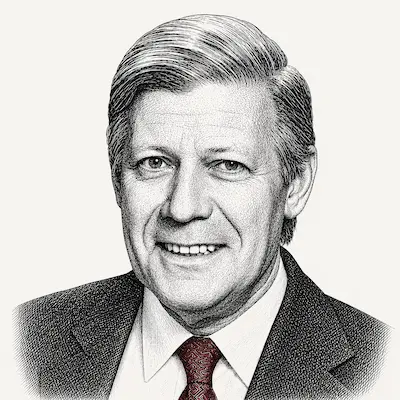
Helmut Schmidt
Will argue: That technological dependency is a sovereignty question; strict regulation must balance innovation capacity with strategic autonomy from tech powers outside Europe.
His framework for energy security as sovereignty translates directly to technological sovereignty and infrastructure dependency.
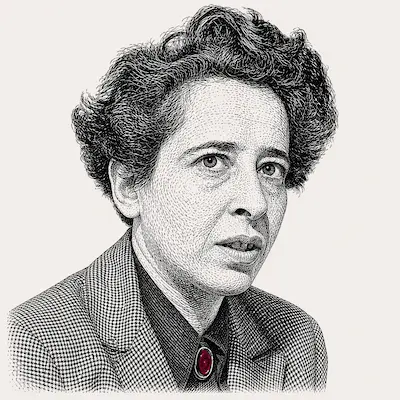
Hannah Arendt
Will argue: That algorithmic governance risks creating unaccountable "rule by nobody"; strict regulation is necessary to preserve human agency and democratic accountability.
Her framework on bureaucratic accountability and "rule by nobody" directly addresses AI governance's core democratic challenge.
John Stuart Mill
Will argue: That regulation should focus on preventing harm while preserving maximum freedom for beneficial innovation; strict regulation justified only where clear harm to others is demonstrated.
His harm principle and framework for limiting individual liberty provides the foundational liberal approach to regulating new technologies.
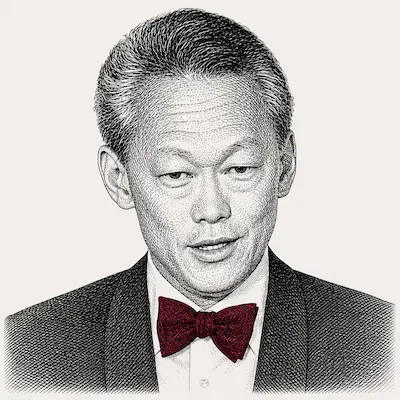
Lee Kuan Yew
Will argue: That excessive regulation will handicap Dutch competitiveness; smart regulation should enable rapid adoption while maintaining state oversight capacity.
His framework for technological adoption as competitive advantage, combined with state capacity for implementation.

Elinor Ostrom
Will argue: That AI requires polycentric governance combining EU, national, and local regulation; strict Netherlands regulation could be part of effective multi-level governance if properly coordinated.
Her polycentric governance framework and design principles for managing complex commons apply to AI as a global governance challenge.
Considered but not selected
Milton Friedman: Limited government regulation applies, but AI's potential for market failures and externalities weakens his core framework - Deng Xiaoping: His development approach relevant but no documented framework for regulating rather than adopting technology - Franklin D. Roosevelt: New Deal regulatory approach relevant but technology governance requires different institutional tools