The Long Council
Who was selected, and why
How to secure Europe's future by allowing construction of datacenters, while protecting affordability in energy for the European population?
The central tension
The fundamental trade-off between energy-intensive technological infrastructure development and energy affordability for consumers in a context of European energy scarcity and transition.
Selected members
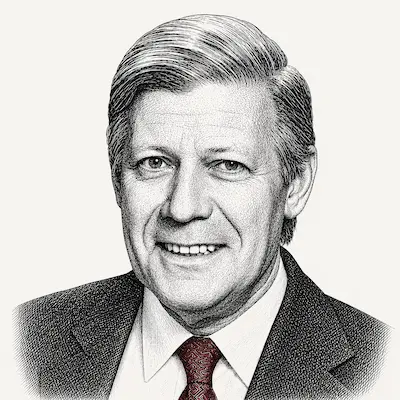
Helmut Schmidt
Will argue: Energy allocation decisions require sovereign strategic calculation; data centers must prove their contribution to European technological sovereignty to justify energy priority over consumer needs.
His documented framework prioritising energy security as sovereign imperative and resource dependency as vulnerability is directly applicable to Europe's current energy constraints.
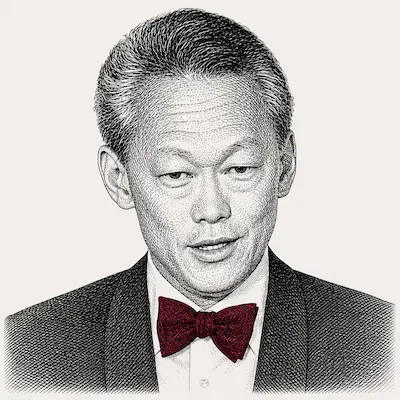
Lee Kuan Yew
Will argue: Data centers are infrastructure for technological sovereignty; energy costs are the price of remaining relevant in US-China tech competition; managed energy pricing protects political stability.
His documented approach to making small/medium states indispensable through technological advancement while managing resource constraints offers a strategic framework for Europe's digital competitiveness.
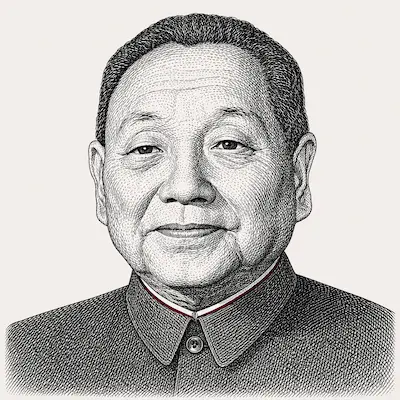
Deng Xiaoping
Will argue: Create designated energy zones for data centers with differentiated pricing; phase in energy cost adjustments gradually; prioritise strategic technological infrastructure while maintaining social consensus.
His documented model of state-directed development prioritising strategic infrastructure while managing social stability through gradualism directly applies to this energy-technology trade-off.
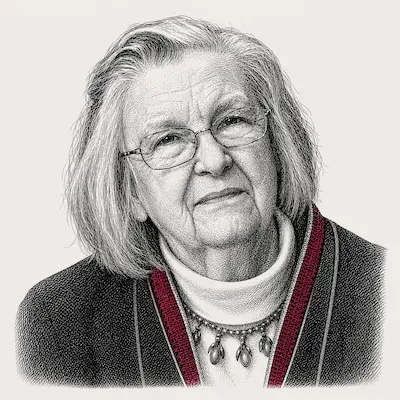
Elinor Ostrom
Will argue: Energy allocation requires institutional mechanisms that account for both technological necessity and affordability; polycentric governance can balance EU, national, and local energy decisions.
Her framework for governing common-pool resources under scarcity conditions provides the analytical foundation for managing Europe's limited energy resources between competing uses.
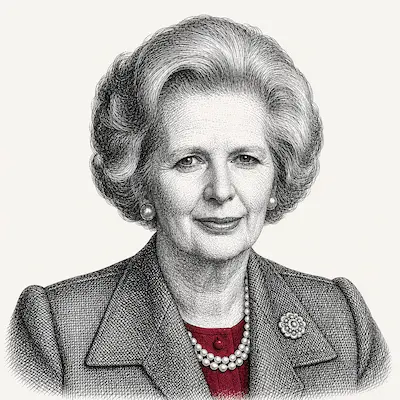
Margaret Thatcher
Will argue: Market pricing mechanisms should determine energy allocation; subsidies distort investment signals; energy market liberalisation will produce more efficient outcomes than administrative allocation.
Her documented experience with energy pricing, market mechanisms, and the relationship between energy costs and political legitimacy offers relevant governance experience.
Considered but not selected
Kautilya: Excluded because his framework predates industrial energy systems and requires extensive extrapolation for modern energy-technology trade-offs - John Maynard Keynes: Excluded because this is primarily a resource allocation and industrial policy question rather than a macroeconomic stabilisation issue - Raúl Prebisch: Excluded because this concerns intra-European resource allocation rather than center-periphery trade relationships